Start with the wedding you actually want
Before you choose a chair style, write a short description of the day. How many people will attend the ceremony, how many will eat dinner, and will additional guests arrive later? Will dinner be plated, buffet, family style or food truck service? Will people dance, listen to speeches, or move into the house after the meal? These decisions determine what you need to rent more reliably than a photograph of another wedding.
Build a timeline with spaces beside it. A ceremony at three, drinks at four and dinner at five may use three separate areas of the yard. If two stages overlap, they cannot depend on the same furniture being in both places. A cocktail table holding drinks cannot simultaneously become the cake table without someone moving its contents. Put these changeovers on paper before relying on them to reduce quantities.
Choose a few priorities that deserve your budget. Comfortable seating, a workable weather plan and enough tableware usually matter more to the guest experience than adding another decorative layer. The aim is a coherent order, not the largest order. Once the basics work, linens, chair choices and serving pieces can bring the look together without making the day harder to manage.
Measure usable space, not the whole property
A yard may be generous overall but awkward for a meal. Measure the actual area available after allowing for gardens, trees, slopes, steps, fences, sheds and access to the house. Mark the route people will take from arrival to the ceremony, washrooms, drinks and dinner. A narrow gate can be a delivery issue even when the lawn beyond it is large.
Draw a simple plan to scale. Include the dimensions of each proposed table and space for chairs when occupied, not just when pushed in. Add service routes and keep exits clear. Do not treat a table arrangement as an approved occupancy plan: tent configuration, accessibility and any applicable requirements need their own review. Photos taken from each corner help the rental team understand details that a measurement alone can miss.
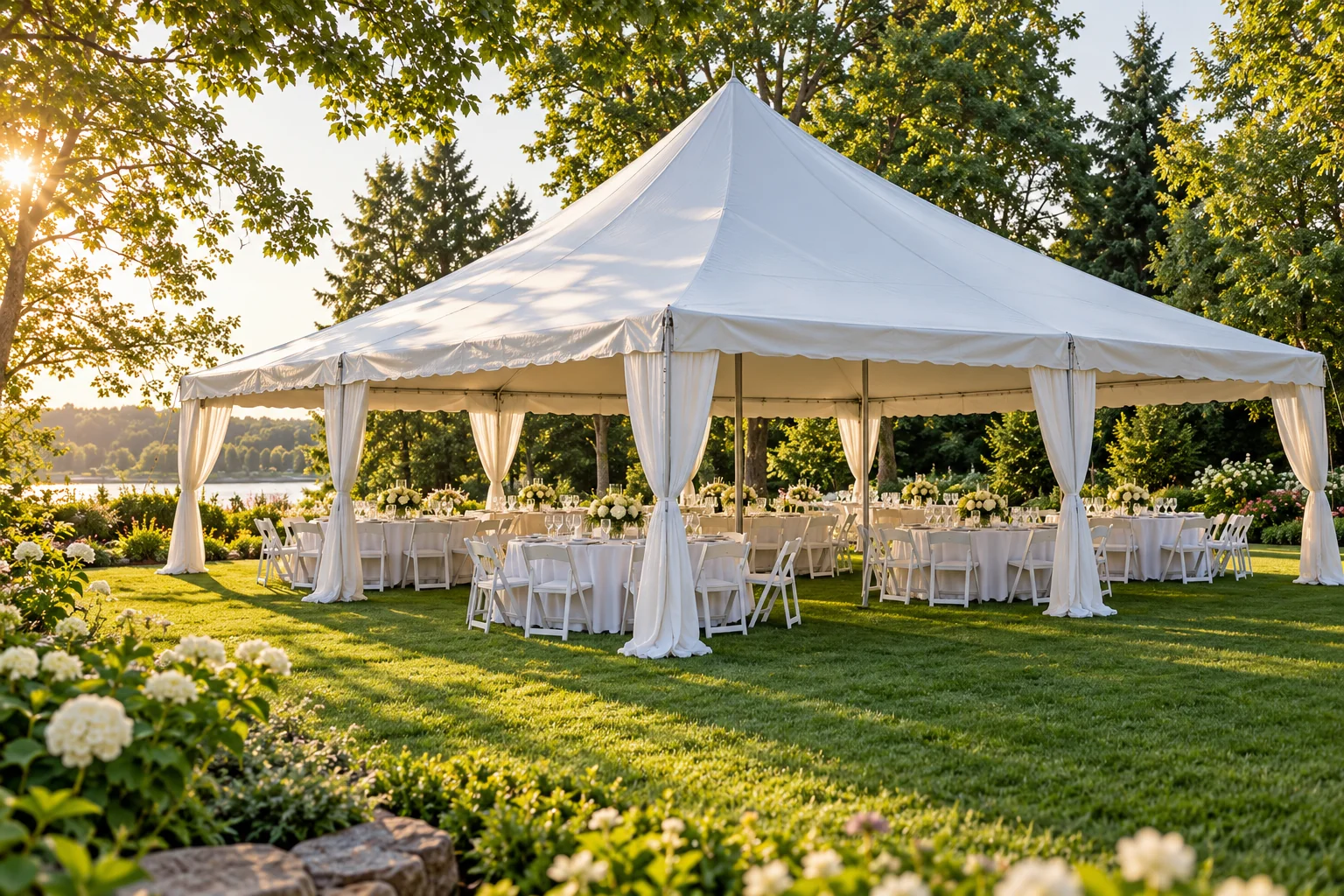
For a tented wedding, discuss the full installed footprint and site with the rental team before selecting a size. A tent's quoted roof dimensions do not necessarily describe all the space needed for installation and anchoring. Review the City of Ottawa's current tent guidance early, rather than assuming a private backyard is automatically exempt from requirements. Keep a suitable indoor or other emergency shelter plan separate from the ordinary rain plan.
Count chairs for each part of the day
Start with the maximum number of people seated at one time. Include the couple, wedding party and anyone who is not already counted in the guest total. Consider whether vendors need a separate meal space. Children who require their own place setting still need to be included in the seating plan, even when their meal differs from the adult menu.
For an example, imagine 64 dinner guests and a separate ceremony for the same 64 people. You might rent 64 chairs and move them, or arrange separate ceremony and dinner seating. Neither choice is automatically better. Moving chairs requires willing helpers, sufficient time, a clear route and a plan that does not leave guests standing while furniture passes through them. If the ceremony is on grass and dinner is elsewhere, suitable chair selection matters too.
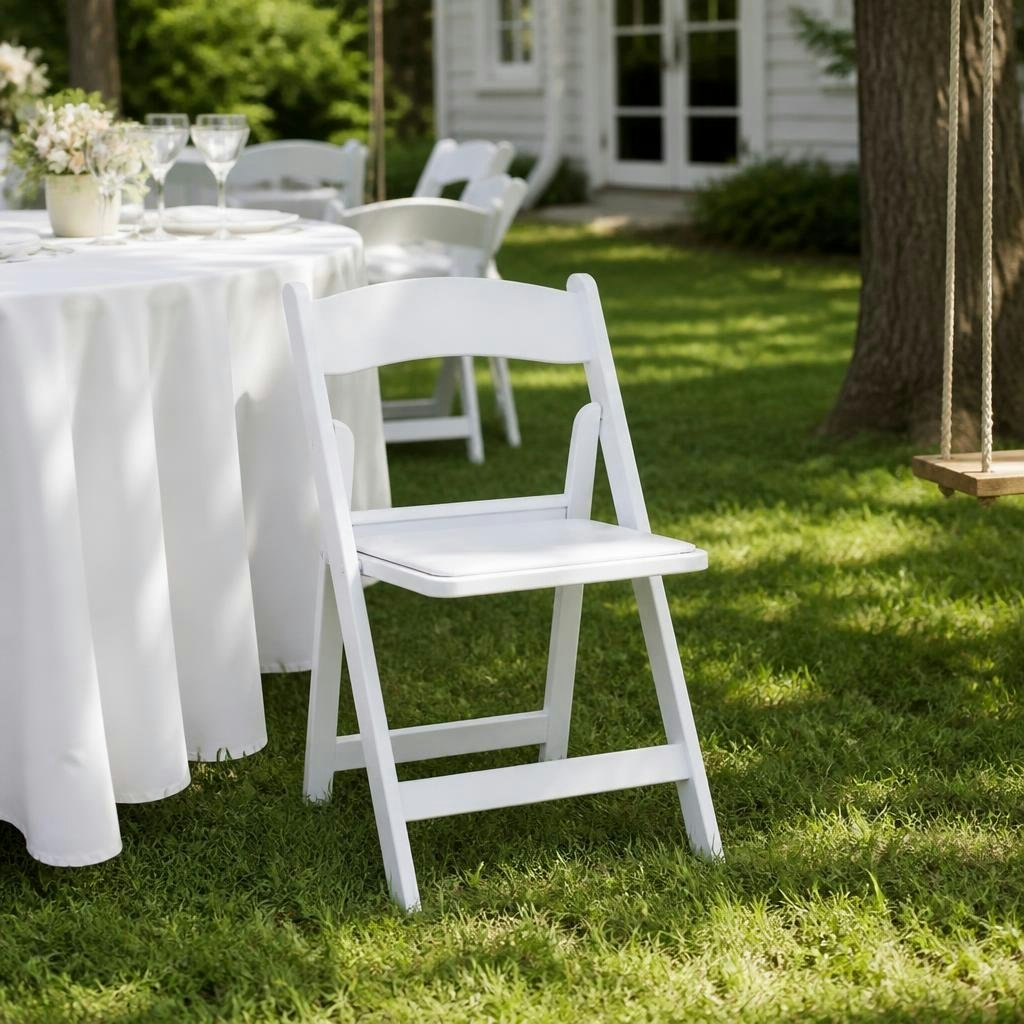
Browse white resin folding chairs with cushions when you want a simple coordinated look. Ask about the suitability of your preferred chair for each surface and how it should be handled. Confirm accessible places with guests rather than substituting a generic seating assumption. A small, explicitly planned reserve can cover a last-minute seating change, but decide its quantity from your situation rather than adding a percentage to every item.
Choose dinner tables before ordering linens
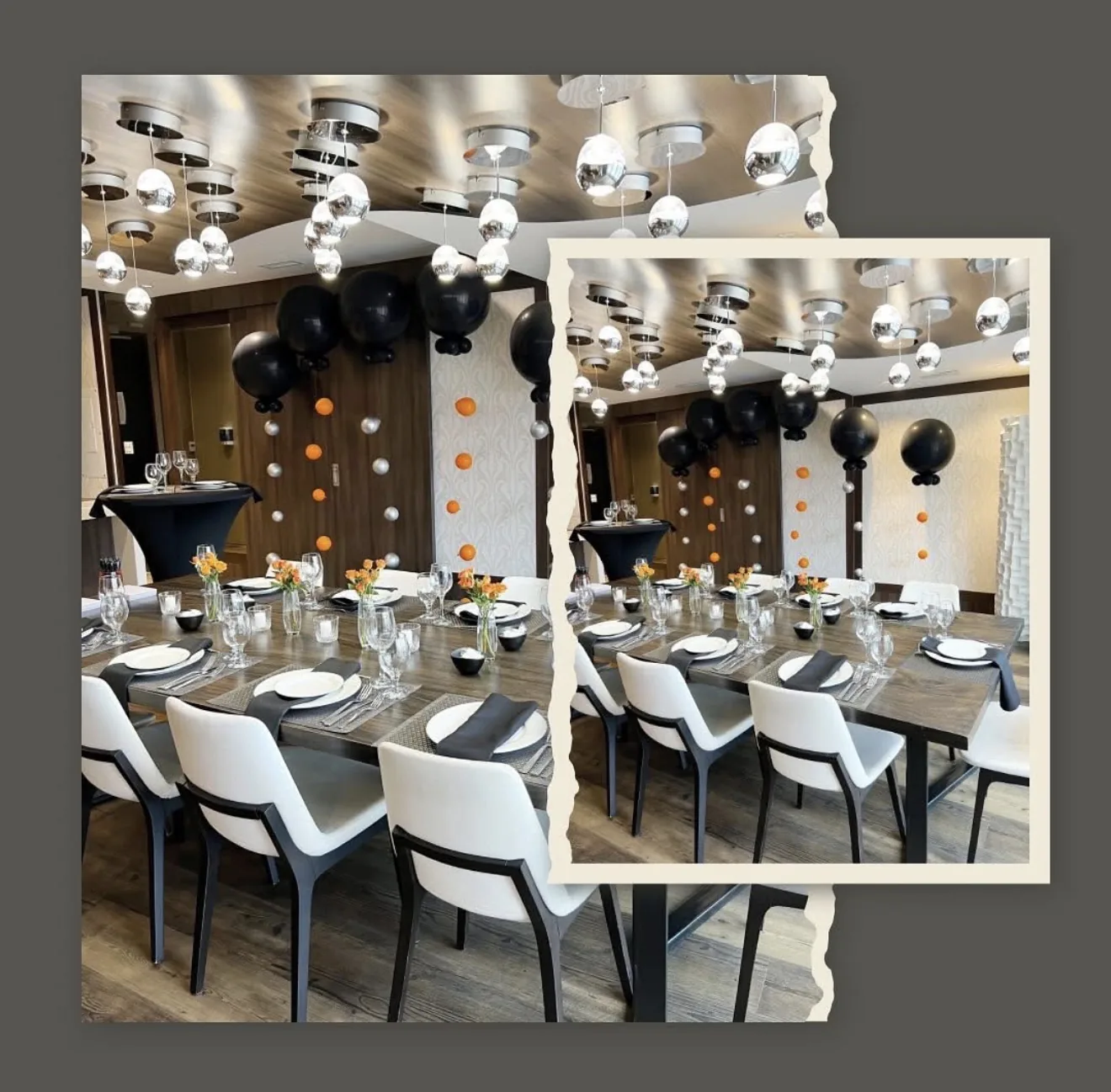
Round tables encourage small groups to talk across a shared centre, while rectangular tables can create long arrangements or fit a narrower area. Start with a seating arrangement that works for your actual group sizes. Do not fill every table to its tightest possible setting if you want large place settings, family-style platters or elaborate centrepieces. Comfort and usable tabletop space are part of the decision.
For a preliminary example, eight 60-inch round tables with eight planned places each provide 64 places. That is a planning arrangement to check with the team, not a promise that every chair, centerpiece or service style will fit comfortably. Sketch the place settings and ask whether a different size or lower seat count would work better for your meal. A mix of table sizes can accommodate family groups without forcing every group into the same arrangement.
Once the tables are chosen, calculate linen sizes from their exact dimensions and the drop you want. Do not order solely by the labels round, banquet or wedding. Note each table's purpose, size, linen colour and quantity on the same list. This prevents the cake table or welcome table from being the only uncovered surface after the dinner tables look complete.
Remember the tables that do not seat guests
A wedding order often starts with dinner tables and stops too soon. Walk through the day and identify every surface needed: welcome information, cards, gifts, ceremony signing, drinks, buffet, cake, coffee, vendor supplies and used-dish collection. Some can share a table at different times, but only if the schedule and staffing support the change. Assign a purpose to each table so it does not quietly acquire three conflicting jobs.
A buffet needs more than the outline of the chafing dishes. Allow room for plates, serving utensils, labels and replenishment. A drink station needs its own working area, not just room for a few glasses. The cake table should be stable and placed where people can gather without blocking the path to dinner. Keep valuables such as cards away from a busy self-service area where the host cannot monitor them.
On your planning sheet, distinguish guest-facing surfaces from back-of-house surfaces. A practical prep table can be more valuable than a beautifully dressed table that staff cannot reach. Discuss the menu and service equipment with the caterer before you assign dimensions. If equipment is coming from several suppliers, record who brings each table and which team is responsible for its setup, linen and removal.
Plan service equipment with the people using it
Give the caterer or volunteer service lead an equipment list to review. Ask which dishes arrive ready to serve, which need temperature-controlled holding, and which serving utensils are required. A rental list is not a food-safety plan, and a host should not guess the capacity or heating behaviour of equipment based on its appearance. The person handling the food should confirm the process and quantities.
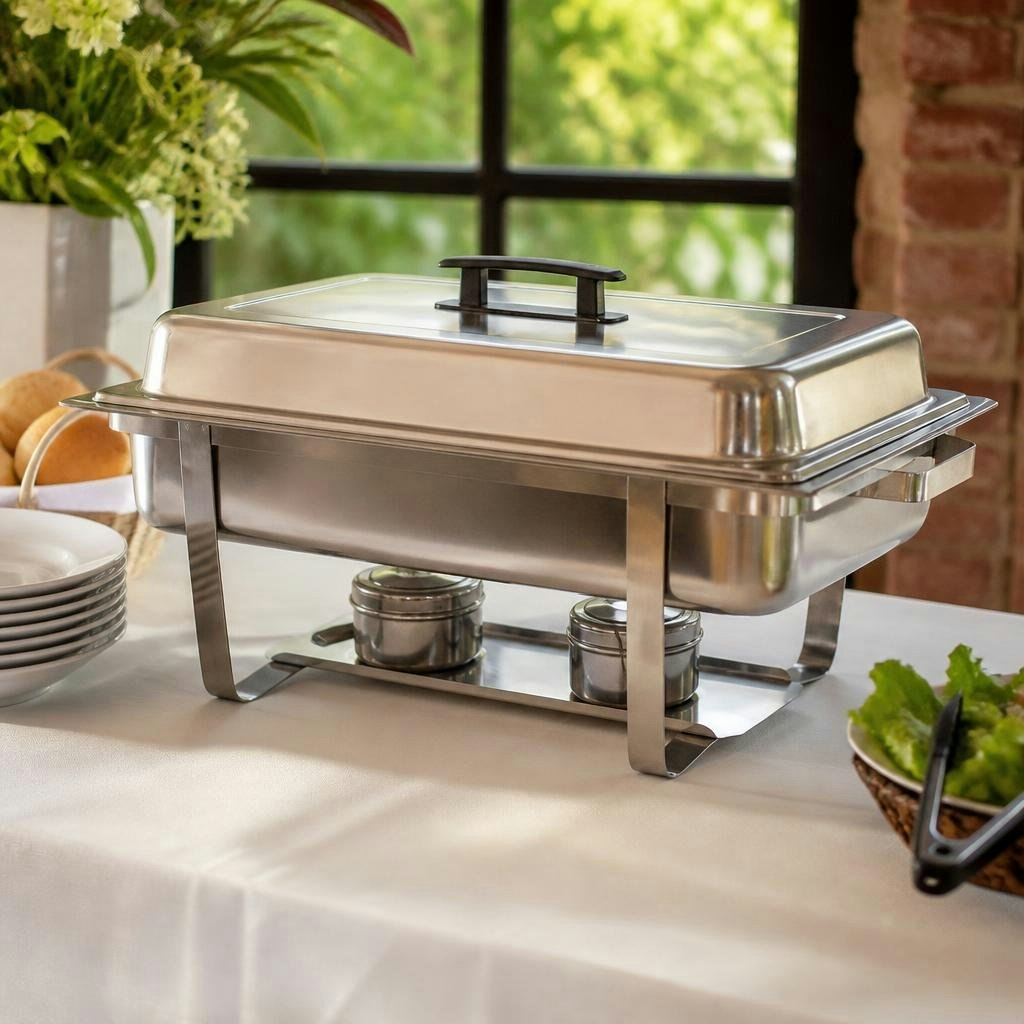
If the meal calls for rectangular chafing dish kits, confirm the pan arrangement, fuel requirements and appropriate placement with the team. Keep food-service equipment away from children and busy guest routes. For public-facing events, Ottawa Public Health has specific requirements; for a private wedding, the caterer should still explain how food will be transported, protected and maintained safely. Ask for practical instructions for the exact equipment supplied.
The same thinking applies to drinks and coffee. Count pitchers, serving vessels and glasses according to the planned menu, and make someone responsible for replenishing them. Guests should be able to find water without joining a lengthy bar queue. Include a separate place for used glasses so they do not pile up beside clean stock. Service organization is what turns a collection of rentals into a comfortable celebration.
Make delivery day part of the plan
Confirm the rental period and delivery or pickup arrangements before scheduling decorators, caterers and other helpers. Do not assume a particular arrival time, setup service or late collection is included. Ask what the quote covers and record the agreed details. A tent installation may have a different timeline from tableware delivery, and the yard needs to be accessible when each team arrives.
If you are considering an installed 20-by-40-foot tent, use it as a discussion starting point rather than an automatic match to your guest count. The approved layout, site and all the activities under cover determine the appropriate size. Tell the rental team about narrow streets, overhead restrictions, gates, stairs, soft ground and the distance from unloading to the final setup. A few clear photos can prevent a delivery-day surprise.
Choose one person who can answer supplier questions while you are getting ready. Give that person the layout, order details and contact information. Mark where equipment should go without obstructing installation work. Keep packaging organized and protected for returns, and avoid filling the only clear access route with flowers, decorations or guests' parked vehicles before the heavy equipment arrives.
Plan the reset before the first guest arrives
Cleanup becomes easier when every item already has a destination. Establish a used-dish collection point and a separate place for clean spares. Keep glasses in their appropriate racks or packaging when they are not in use, following the instructions supplied. Label containers and keep personal dishes separate from rented pieces so a family serving bowl does not get packed into a rental return by mistake.
Assign tasks before the event. One person can oversee tableware, another linens and another furniture. Make sure they know the confirmed return instructions, what packaging to retain and where everything will be stored until collection or transport. Do not assume the couple will organize this after a long wedding day. Helpers need enough time and a suitable place to work without stepping through departing guests.
Check for small pieces while the tables are still in position. Serving utensils, napkins and cups can disappear into kitchen cupboards or food containers. Count against the order rather than relying on how full a box looks. If something is damaged or missing, record it and speak to the team rather than substituting an unrelated item. A straightforward return plan protects the end of your celebration from an avoidable scramble.
Send one coordinated rental request
Prepare a request with the date, guest count, address, service style and preferred pickup or delivery arrangement. Group items by purpose: ceremony, dinner, refreshments and support. Include sizes and quantities where you know them, and highlight decisions that still need advice. It is better to say that you are choosing between round and rectangular tables than to place contradictory quantities in several separate messages.
Include the site plan and a short timeline. Explain any furniture you already own and intend to use so it can be considered in the layout. Note items provided by the caterer or another supplier, especially linens and tableware, to avoid duplicates. Ask the team to review product compatibility, tent suitability, availability and any outstanding costs before you treat the plan as complete.
Before approving the final order, read it from the perspective of a guest: arrival, a comfortable seat, a place for food and drinks, clear routes and a pleasant departure. Then read it from the perspective of a helper: access, setup, replenishment and returns. If both versions work, you have a practical foundation for the wedding. The right rentals support the day quietly, leaving the personal touches and the people you love at the centre.
Further reading & sources
Check current instructions and requirements for your event and the equipment supplied.