Start with a purpose and a realistic format
Decide what the gathering is meant to achieve before choosing a venue layout. A staff lunch, an awards presentation, a client reception and a family appreciation afternoon each place different demands on tables and seating. A clear purpose helps you avoid renting equipment for activities that sound attractive but do not fit the available time or the people attending.
Write a short event brief with the date, start and finish times, expected attendance, location and meal format. Note whether guests will arrive together or in waves, whether there are presentations and whether families are included. If several departments contribute ideas, use this brief to keep the order consistent. Otherwise, one team may plan a seated lunch while another assumes a standing reception in the same space.
Choose a service style that fits your staffing. A buffet needs replenishment and queue management; a plated meal needs coordinated service; a drop-in refreshment station needs ongoing attention. None is automatically low effort. Identify who will handle food, clearing and guest questions before selecting equipment. Rentals work best when they support a practical operating plan, rather than becoming a collection of objects that the event organizer must manage alone.
Calculate attendance by time, not only invitations
The total number of invitations does not always describe the equipment requirement. At a workplace with shifts, some employees may leave as others arrive, while a presentation could bring everyone together at once. Build a simple attendance table by hour and identify the busiest period. Include hosts, volunteers, suppliers needing a meal and any approved family guests in the relevant counts.
For example, suppose 80 employees attend in two lunch waves of 40, with a 20-minute overlap. If the first group is still seated when the second arrives, the seating requirement may temporarily be closer to 80 than 40. If you want to reuse seats, schedule and manage the changeover explicitly. Allow time to clear and reset tables; do not make employees feel rushed simply because the rental count assumed a perfect turnover.
Ask about accessibility and dietary needs through the organizer's normal process. Use the information to plan routes, seating choices and service, while keeping personal details limited to the people who need them. A person may attend for only part of the event but still need an appropriate seat. The goal is a reliable picture of who will be present and how they will use the space.
Plan arrival and orientation as part of the event
The first few minutes shape whether the gathering feels organized. Decide where guests arrive, whether they need to check in and how they will find the main activity. A table beside an entrance can help with name tags or information, but it can also block the doorway if the queue is not considered. Put the registration point where people can stop without interrupting those continuing into the event.
At an office or industrial site, separate the guest route from deliveries, loading areas and normal work traffic. Tell visitors where to park and which entrance to use. If the building remains operational, confirm the event boundaries with the site manager. Do not assume employees will recognize temporary restrictions simply because they know the building during an ordinary workday.
List the equipment used at arrival separately from dining furniture. A welcome table, coat-storage area and information point may be needed before food service begins and after it ends. Check whether the venue already provides suitable pieces before duplicating them in the rental request. Give the onsite contact a marked plan so a late-arriving supplier can be directed to the right area without interrupting the host or the presentation.
Choose tables for the actual activities
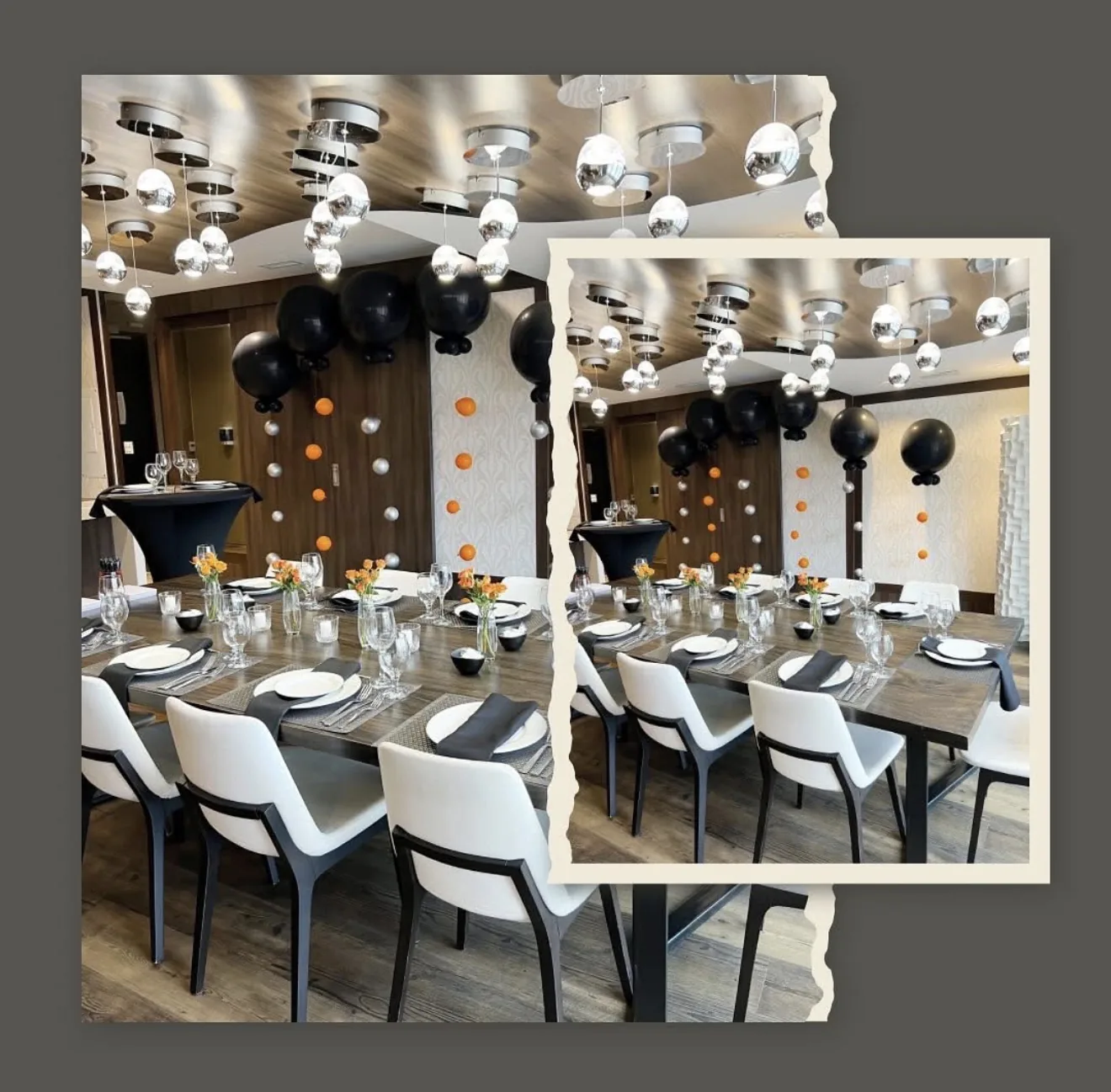
A seated meal needs a place-setting layout, a workshop needs writing or project space, and an awards presentation needs clear sightlines. Do not use the same seat-per-table assumption for all three. If employees will work with laptops, materials or shared samples, the usable surface per person matters more than the number of chairs you can physically put along the edge.
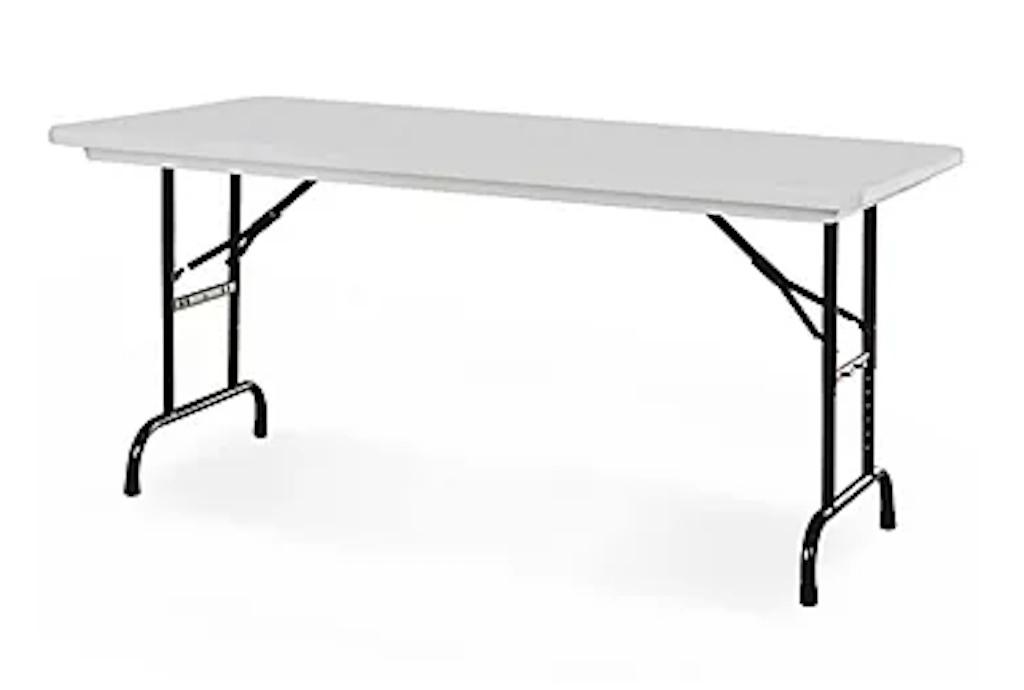
A six-foot rectangular table can be considered for registration, service or a planned seating arrangement. Record each table's job and check its dimensions against the floor plan. For presentations, avoid a layout where many attendees must twist around to see. For conversation-based activities, arrange groups so people can speak without shouting across an unnecessarily large gap.
Plan service and support tables separately. The coffee equipment, buffet and prize display each need enough space to function, including any electrical or heat-related requirements. If one table is reused during the event, give the reset a named owner and a scheduled time. A table holding registration supplies will not become available for dessert merely because the timetable says dessert is starting. The materials need somewhere else to go.
Make seating comfortable and inclusive
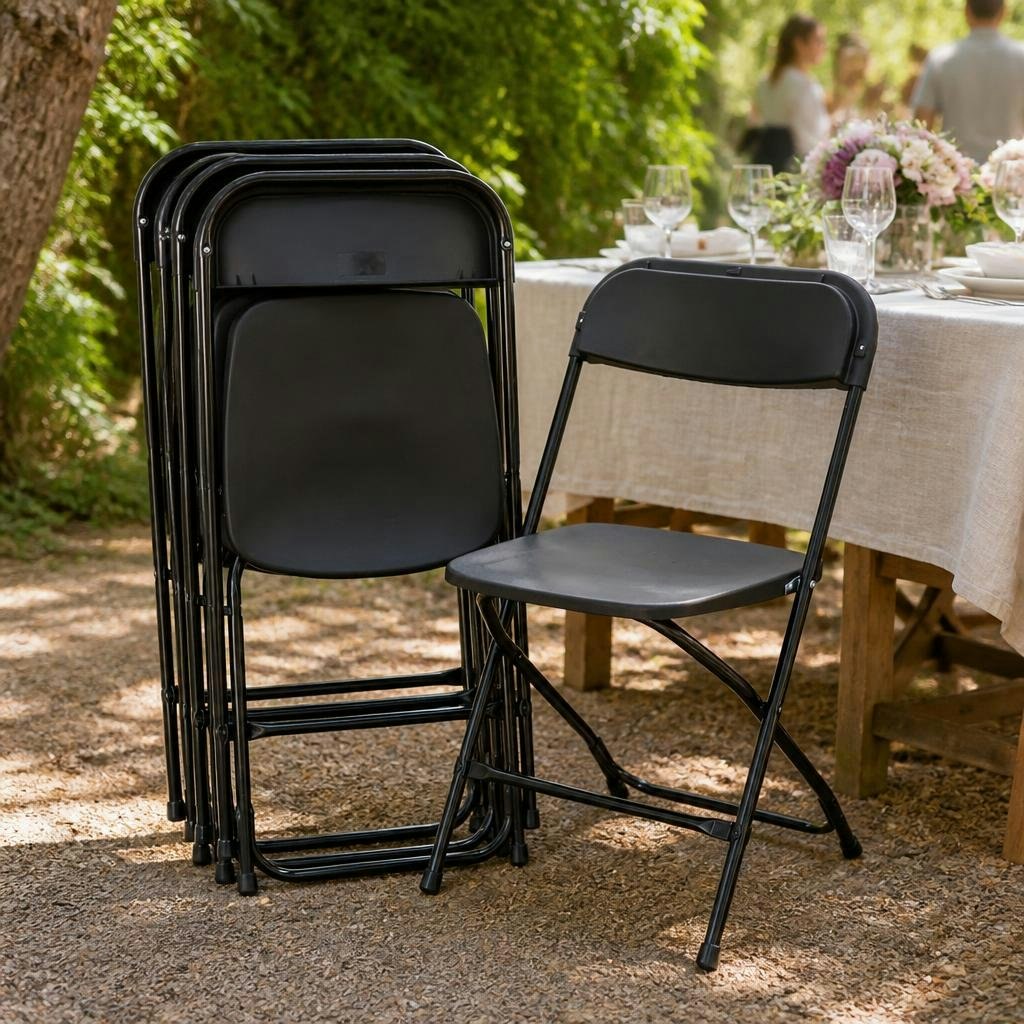
Select chairs according to the event length, site and type of activity. A short outdoor lunch and a long seated presentation have different comfort priorities. Browse black folding chairs as one practical option, then confirm their suitability for your surface and layout. If the venue has some chairs already, compare them with the proposed rentals rather than assuming every chair fits every table equally well.
Keep routes to seating, refreshments and washrooms clear. Plan accessible places as part of each group rather than isolating guests in an inconvenient corner. Ask the venue or responsible organizer to review accessibility and occupancy requirements. A rental company can discuss equipment, but an informal seating sketch should not be mistaken for a compliance approval for the building or event.
If you are using standing-height tables for a reception, provide a meaningful seated option too. Some attendees may prefer or need to sit without explaining why. Position those seats where they remain part of the event. For outdoor spaces, consider the condition of the ground and the path from parking, particularly after rain. A chair choice cannot fix a route that is too narrow, uneven or obstructed for the people using it.
Design food service around breaks and queues
Workplace events often have a short lunch window, so queue time deserves attention. Sketch the route from plates to food to seating, and place drinks where they will not stop the main line. Ask the caterer how many service points are appropriate for the menu and attendance. Duplicating part of a buffet can help in some situations, but only if there is enough equipment, food and staff to support it.
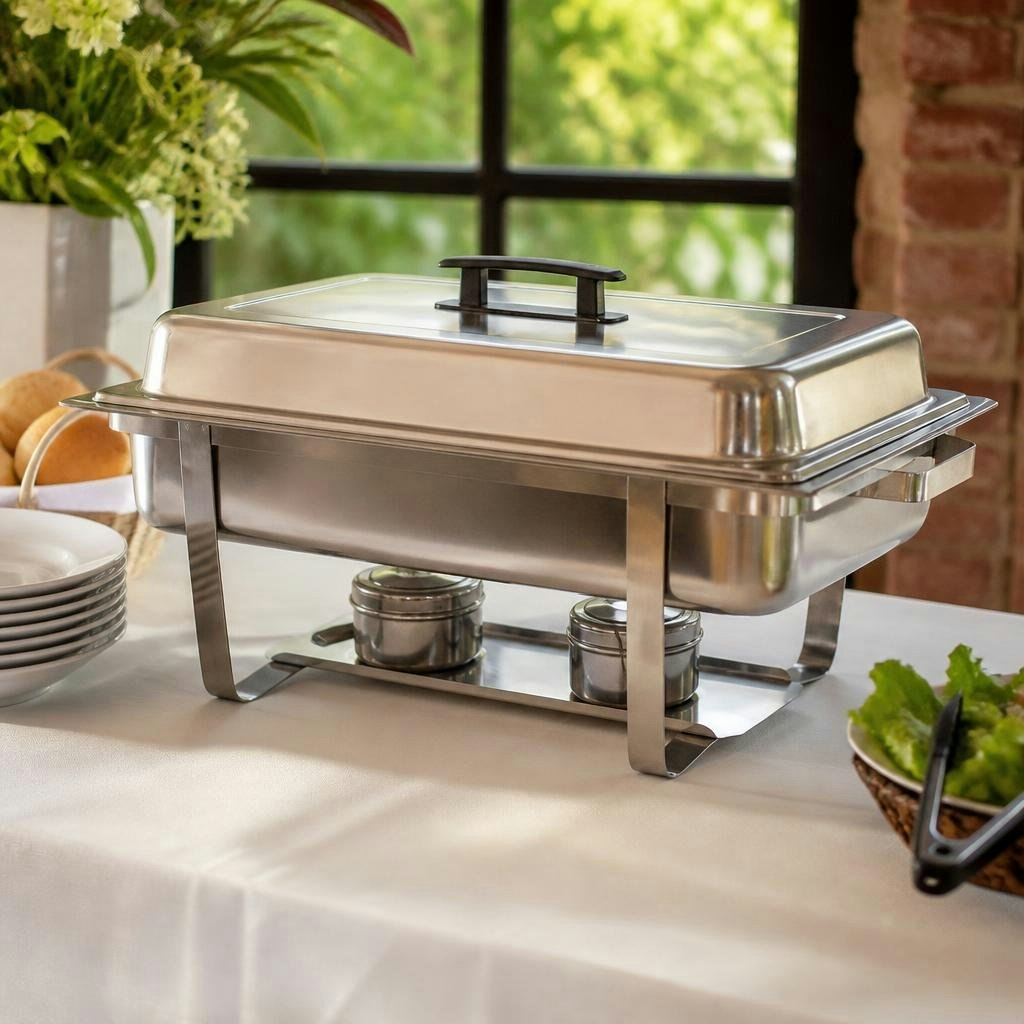
Confirm which equipment the caterer brings and which pieces the organizer should rent. If chafing dish kits are required, check the pan layout and supplied components rather than ordering by guest count alone. Temperature-controlled transport and service need a proper food-safety plan. The equipment list should follow that plan, not replace it.
Include time for employees who cannot leave their duties at the main service time. A late meal is not simply food left on a table until someone arrives. Ask the food-service lead how those portions will be handled. Provide clean spare serving utensils and a practical clearing point as appropriate to the approved service plan. When food logistics are clear, staff can enjoy the break instead of spending it searching for supplies.
Set up refreshments for more than one preference
A drink station should be easy to identify, easy to reach and easy to replenish. Keep water readily available, and make non-alcoholic choices feel like part of the event rather than an afterthought. If alcohol is planned, the organizer should verify the applicable venue rules, permits and service responsibilities with the relevant authorities and service provider. A portable bar does not itself authorize alcohol service.
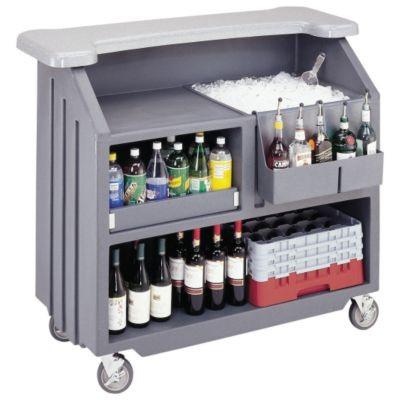
A portable beverage bar may help define a staffed service area. Check what it includes, its dimensions and how supplies will be stored. Consider the space behind the bar for the people working there, not just the area visible to guests. Keep clean glassware, used glass collection and reserve stock in distinct places so the service area remains understandable as the event gets busier.
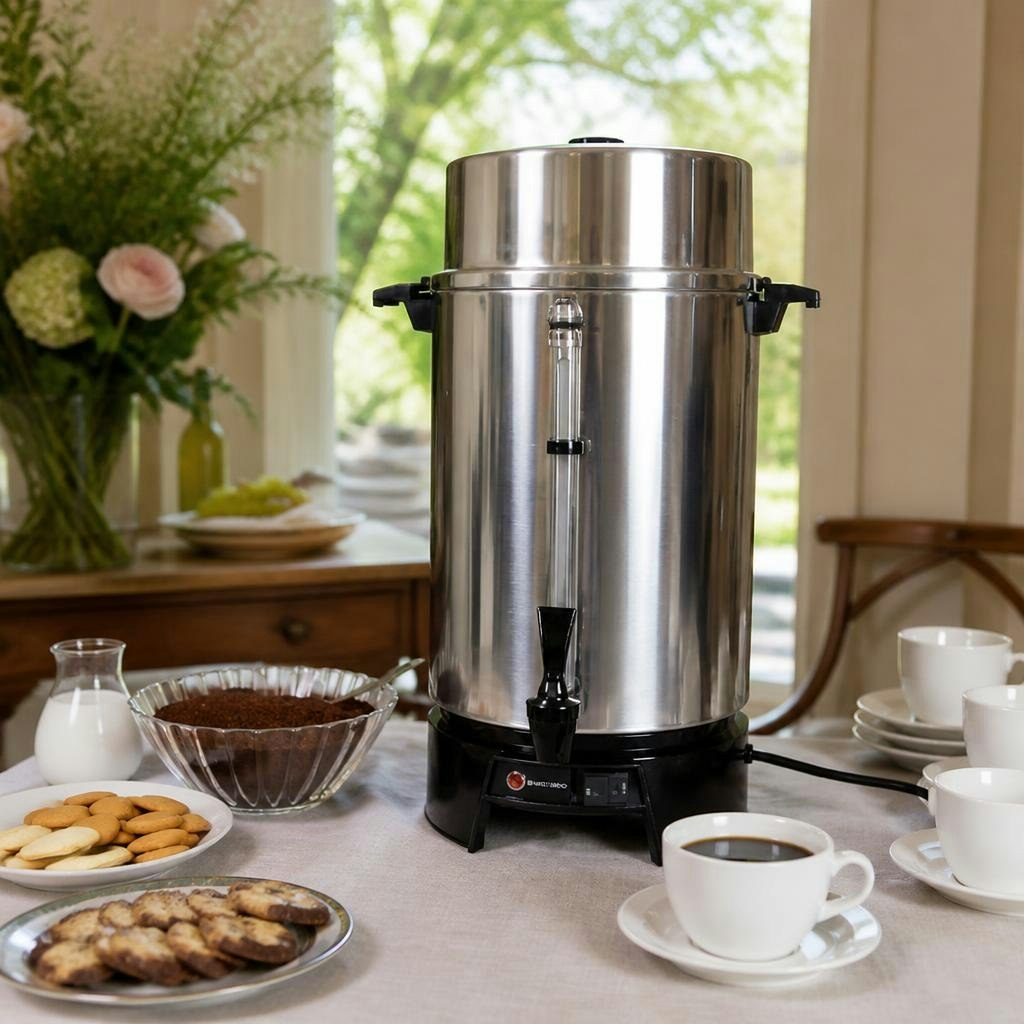
For coffee, review electric coffee percolator options with the person preparing the drinks. Confirm the exact equipment's electrical requirements, capacity and operating instructions before assigning a location. Avoid loading several appliances onto a circuit simply because the outlets are close together. Plan a safe route for power with the site team, and provide time for the equipment to be prepared before the scheduled break.
Treat outdoor space as a separate planning project
An outdoor company event needs a site review, weather decisions and suitable access, even when it takes place in a familiar parking lot or courtyard. Measure the usable area and identify fixed obstacles, vehicle routes, overhead restrictions and the surface condition. Share those details with the rental team before choosing tent dimensions or assuming any particular anchoring method will be possible.
Ask the responsible organizer to review the City of Ottawa's current outdoor-event and tent guidance. Requirements depend on the event and site, and a company property is not a reason to skip that review. Confirm who is responsible for permits, installation arrangements, utilities and inspections where applicable. Put those responsibilities in the event plan so each supplier does not assume someone else has handled them.
Decide in advance how the gathering will respond to unsuitable weather. Identify a suitable shelter or alternate venue and the point at which you will change or stop the event. A tent is not a severe-weather refuge. If the event moves indoors, know which furniture and activities can move with it and which must be cancelled. Share the decision process with the team before the day begins.
Coordinate delivery, setup and closeout
Give suppliers one clear access plan with the address, entrance, loading location, onsite contact and any booking requirements. Mention elevators, stairs, security desks, loading restrictions and distances from the unloading point. A corporate building may have a delivery process that differs from its visitor process. Confirm it in advance rather than expecting the driver to resolve it while equipment waits outside.
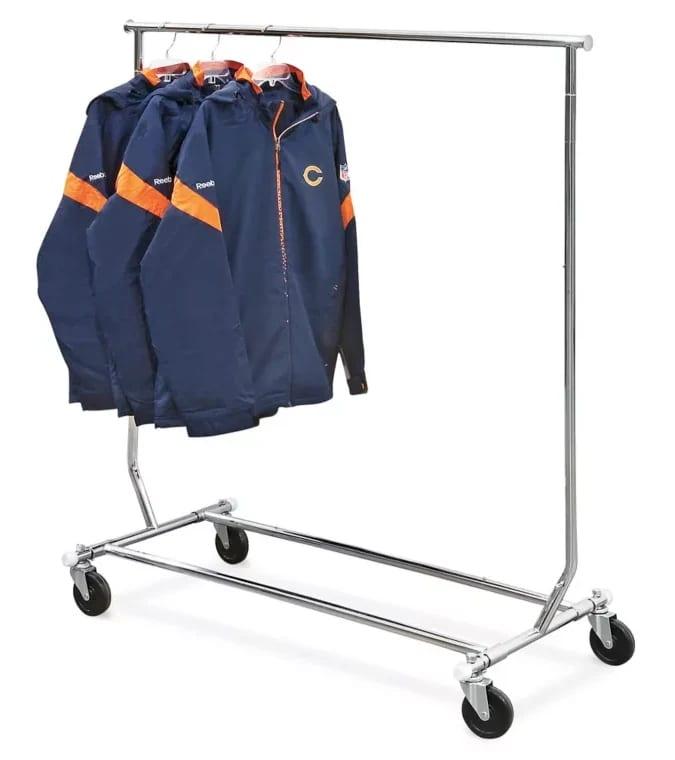
Assign a setup lead who has the final layout and order list. Keep the area available during the agreed setup window and prevent attendees from using equipment before the setup is complete. If you need a coat rack or other support pieces, check where they will go and whether accessories need to be arranged separately. Small operational details can cause noticeable delays when no one owns them.
Plan removal with the same care. Confirm when the room must be cleared and how rentals will be stored until collection or return. Retain packaging, follow the supplied care instructions and count items against the order. If several departments help, use one closeout checklist so pieces do not get distributed to different storage rooms. Record any discrepancy promptly and let the rental team know rather than guessing what should be returned.
Send a complete brief and review the outcome
Your rental request should include the event date, rental period, attendance pattern, venue, preferred delivery or pickup and equipment quantities. Attach a simple layout and identify any decisions you want help with. Separate confirmed needs from optional upgrades so the quote can be reviewed without losing sight of the essentials. Ask for compatibility and availability checks before treating the list as a finished order.
Review the proposed order with the caterer, venue contact and event lead. Check that tables, linens, power needs and service equipment are not duplicated or omitted between suppliers. Confirm setup and collection responsibilities in writing. Keep the final version accessible to the onsite team so a later adjustment does not leave one person working from an outdated list.
After the event, note what worked: arrival flow, seating comfort, food queues and the usefulness of each rental. Record quantities actually used and the peak attendance, not just whether the day felt busy. Those notes make the next staff event easier to plan and can help avoid unnecessary rentals. Good equipment planning gives the organizer more time to recognize employees and less time solving preventable furniture and service problems.
Further reading & sources
Check current instructions and requirements for your event and the equipment supplied.