Build a station map before a shopping list
Start by listing the activities you will actually offer: admission, information, games, refreshments, demonstrations, volunteer check-in and a place to rest. Give each activity a location and an owner. The map reveals equipment needs more clearly than a general request for tables and chairs, and it prevents the last station added from taking furniture already assigned to another task.
For each station, record the activity, expected queue, equipment footprint, storage needs and volunteer count. A craft station needs working surface for participants, while an information desk needs a clear place to talk. A treat machine needs an operator area that visitors cannot crowd. These are different uses even when all three begin with a table on the order form.
Choose a scale that your volunteer team can support. A smaller number of well-run stations usually works better than a crowded map with gaps in supervision. If an activity cannot be staffed for the whole operating period, reduce its hours or remove it before promoting it. Rentals should make the event workable; they do not replace the people needed to operate equipment, answer questions and keep shared areas organized.
Confirm permission and responsibilities early
Identify the person or organization responsible for the venue and event approvals. A school yard, community building, park and privately owned lot may each have different conditions. Confirm access, permitted uses, hours and cleanup responsibilities before choosing the final equipment layout. Do not assume last year's approval automatically covers this year's activities, attendance or equipment.
For Ottawa events where the public will consume food or beverages, consult Ottawa Public Health early. Its special-event guidance includes an application process and specific food-service requirements. Ask about your proposed menu and setup before committing to equipment, because the approved approach affects surfaces, protection, washing facilities and utensils. In particular, do not assume reusable guest dishware is acceptable at a temporary public food event; confirm the applicable rules with the health unit.
The City of Ottawa's outdoor-event resources provide a starting point for other relevant requirements, including tents and site arrangements. Assign each action to a named person and track its status. A rental quotation is not an event permit or a food-service approval. Keep the responsibilities clear between the organizer, venue, vendors and rental company so a critical task is not left between them.
Plan for queues without blocking the event
Estimate when visitors are most likely to arrive and which activities will attract a line. The queue for admission should not block access to food, washrooms or another entrance. A popular treat station may need more waiting space than the equipment itself. Draw these queues on the site plan rather than assuming visitors will naturally stand in the most convenient place.
Leave routes that make sense for families, strollers and people using mobility devices. Avoid forcing someone to cross a game or walk behind a working machine to reach seating. Ask the venue and responsible event team to review accessibility and emergency access. Your sketch should show both the furniture and the movement around it, while any formal requirements need the appropriate review.
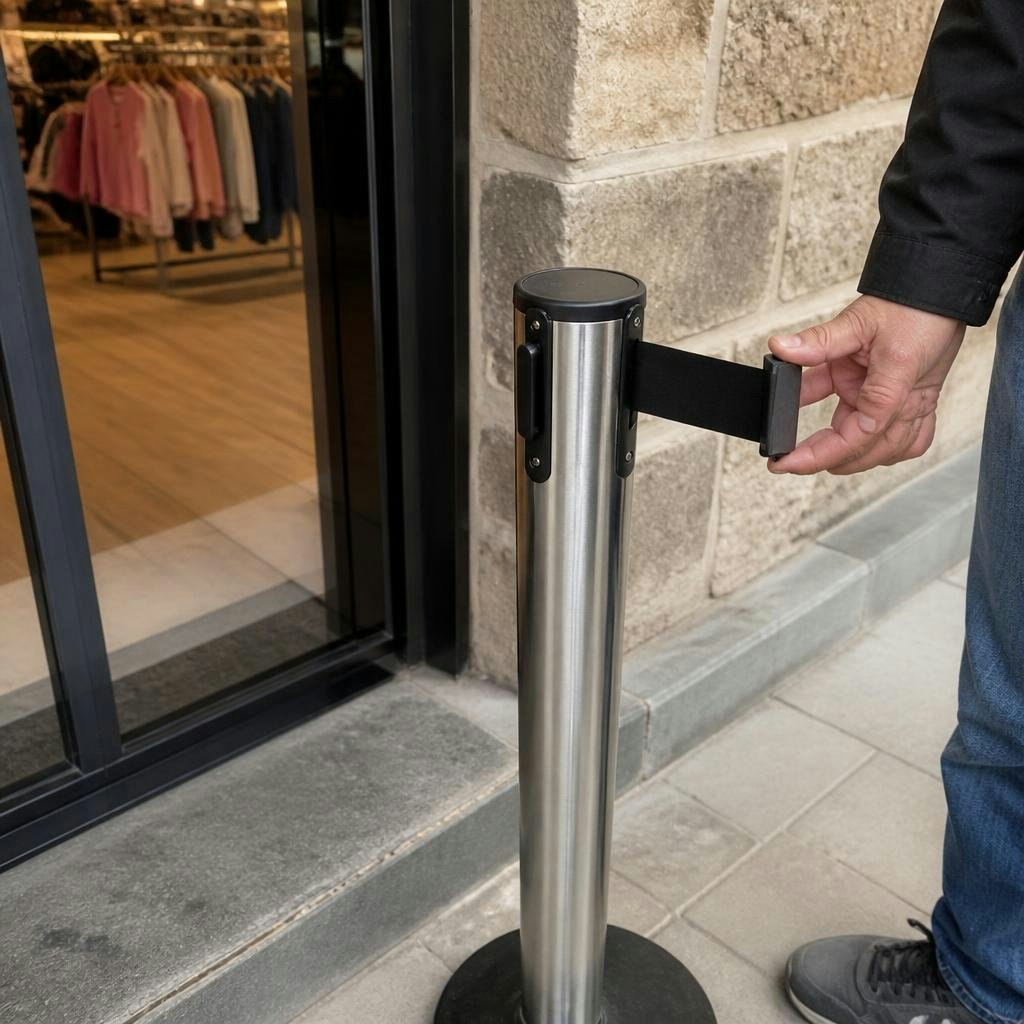
Queue-control equipment can help where it suits the site, but it should guide people rather than create traps or narrow exits. Consider where the line begins, where it ends and how someone can leave it. Do not rely on a rope or barrier to supervise children around hot equipment. A volunteer who can answer questions and redirect the queue is often as important as the physical layout.
Count tables by purpose and operating time
Create a table schedule with one row per station. Include registration, activities, food service, supplies, volunteer breaks and a place for lost property or information. If a table is shared between activities, show the changeover time and identify who moves and resets it. Two stations operating at once cannot share a table simply because each needs it only for a short period.
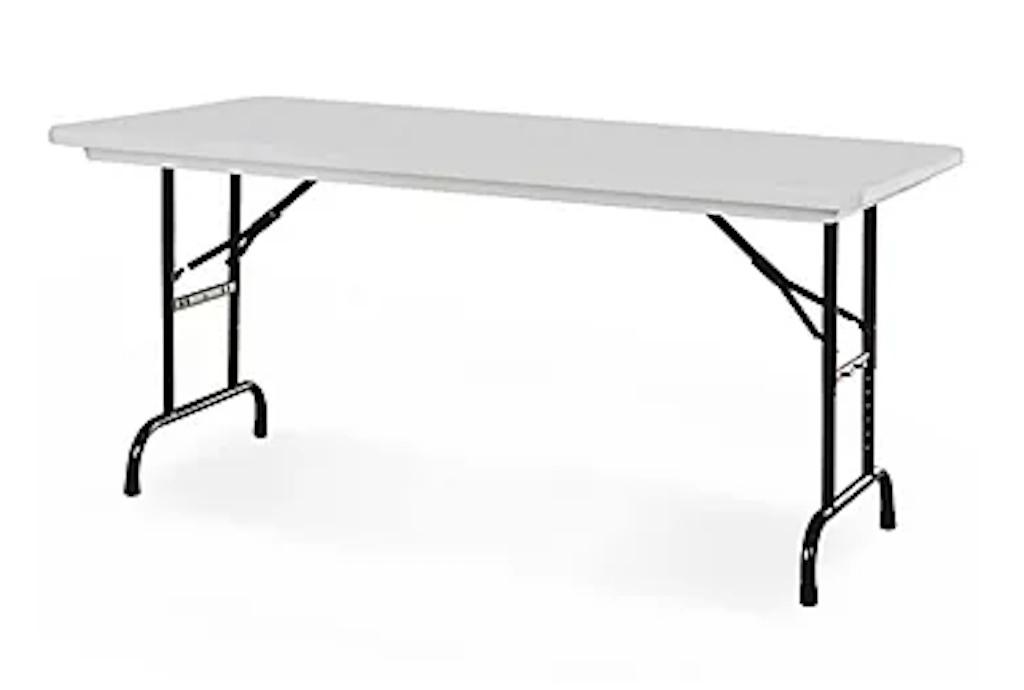
A six-foot rectangular table can serve many event roles, but confirm its suitability and working dimensions for each use. A machine may require a particular support, while a game may need more surface than its box suggests. Ask the operator or activity lead to lay out the actual materials before finalizing the table count. Include room for clean supplies and personal belongings that should not sit in the visitor workspace.
For a sample plan with five games, one welcome desk, two food points and a volunteer station, begin with those nine purposes rather than ordering nine tables automatically. Some may need two surfaces, while another may use existing venue furniture. Review the list station by station. This method produces a defensible quantity and makes it easier to adjust when an activity is removed or expanded.
Provide places to sit and take a break
Not every visitor will want to stand throughout a fair. Plan seating near refreshments and in a quieter area where people can rest. Include volunteers who will work long shifts, and do not count a chair assigned to an operator as an available guest seat. If there is a scheduled presentation or meal, calculate the seating for that peak moment separately from the drop-in crowd.
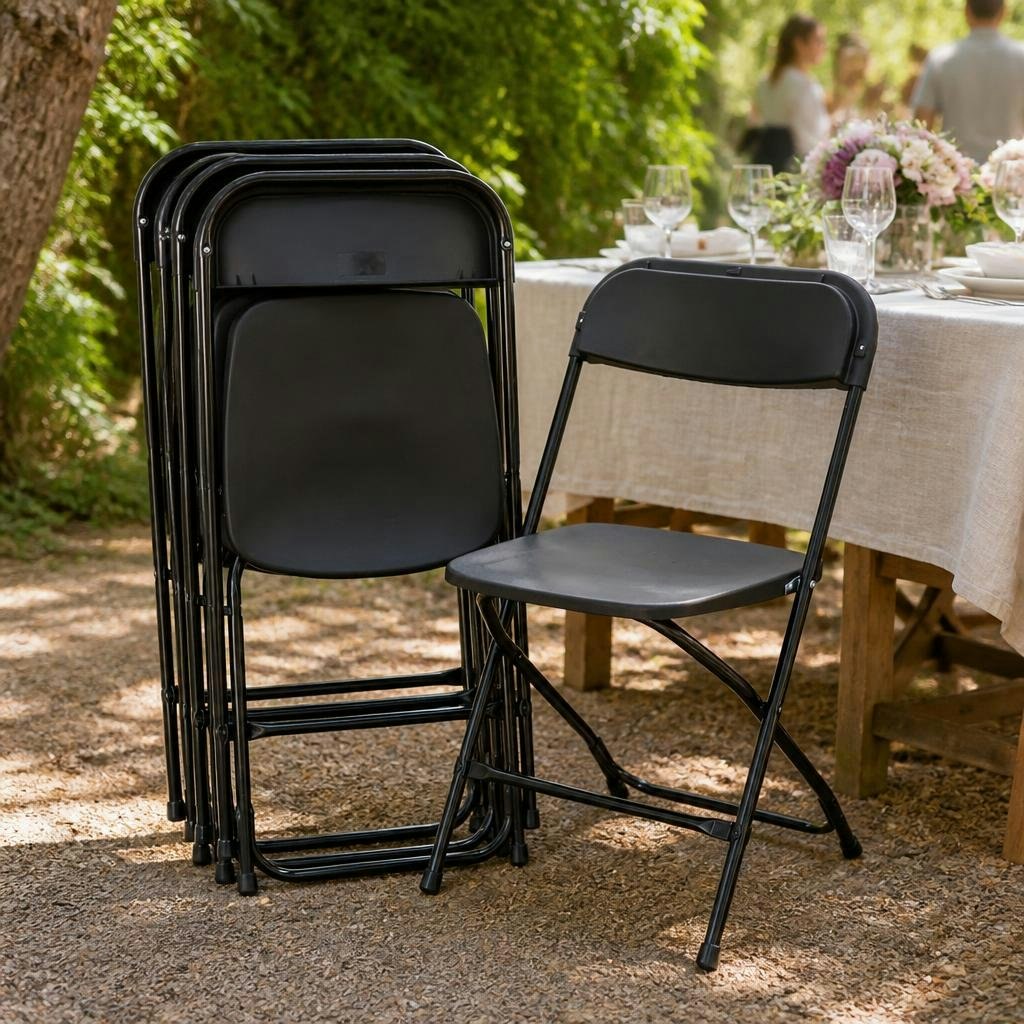
Look at folding chair options and confirm suitability for the venue surface and expected use. Keep furniture stable and routes clear. A grassy area that becomes soft after rain may need a different plan from a paved courtyard. The chair choice should follow the site assessment, and the event team should decide what happens if conditions make an area unsuitable.
Seat counts should be connected to the event format. A continuous three-hour fair does not necessarily need a seat for every ticket sold, but a seated show for everyone does. Estimate simultaneous users, allow for the planned service pattern and ask the team to review the arrangement. Avoid treating a very high visitor turnover as guaranteed; families may linger longer than expected near an attraction or while waiting for another child.
Make treat machines a staffed attraction
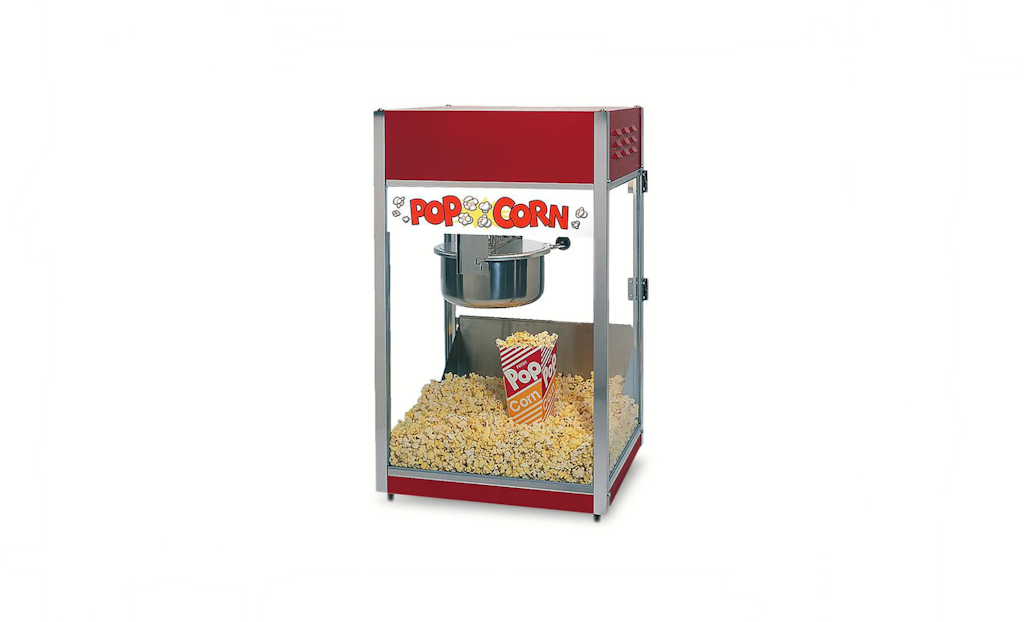
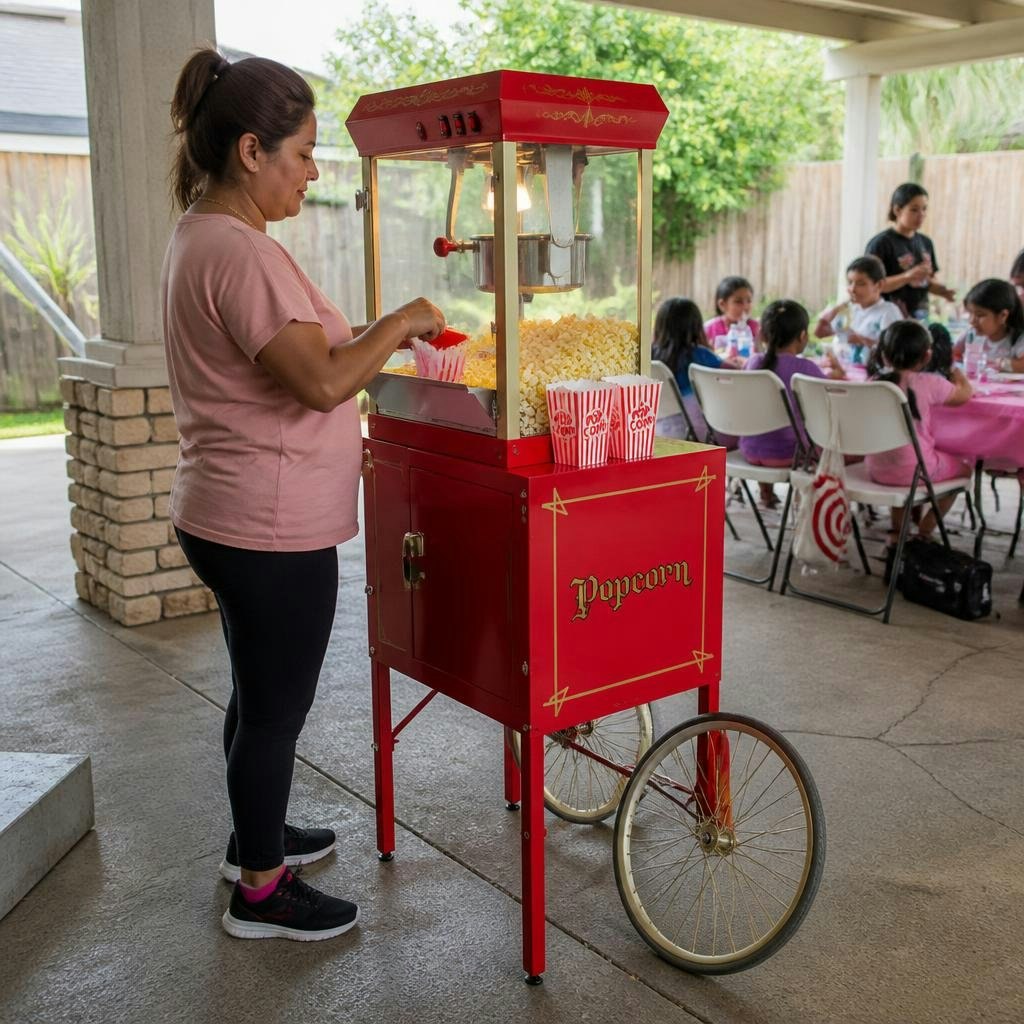
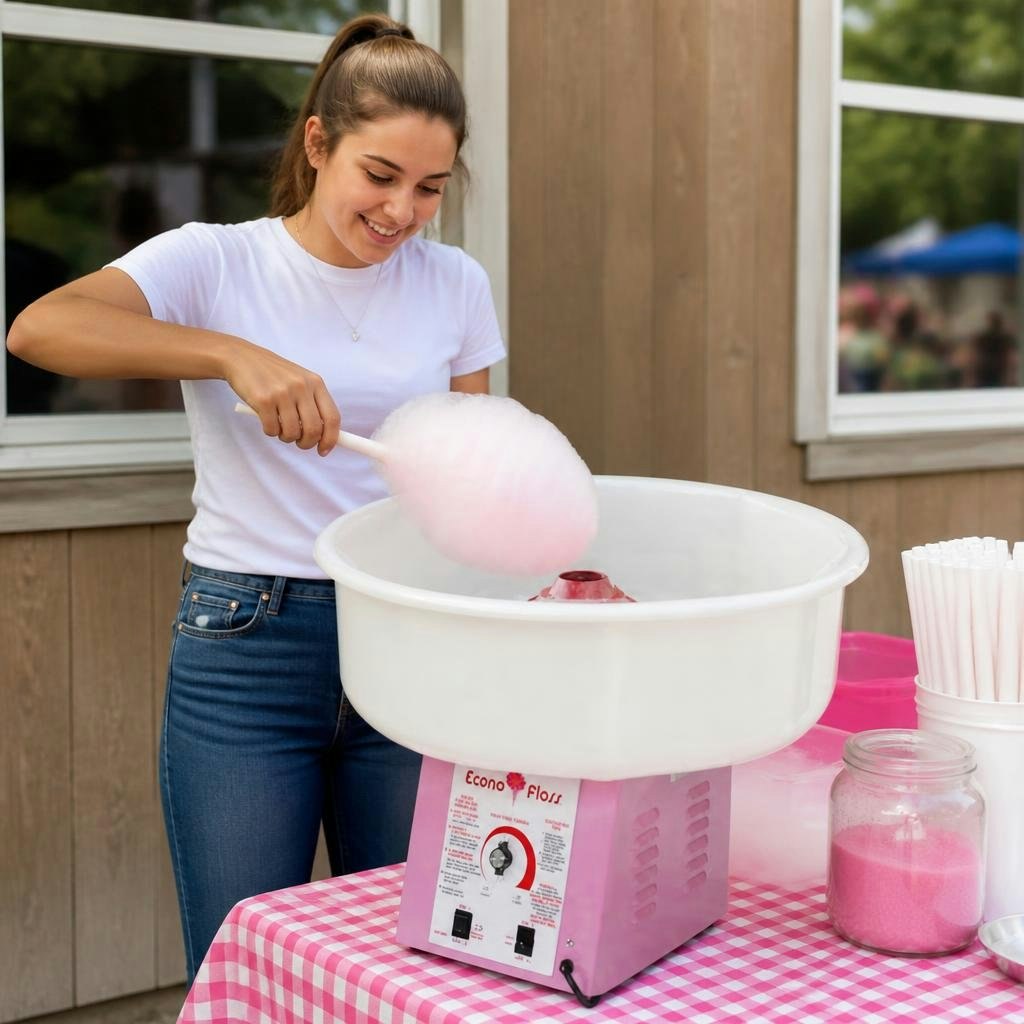
A tabletop popcorn machine or cotton candy machine can fit a fair well when the operation is planned properly. Confirm availability, the exact model, required supplies, electrical needs and the instructions provided. Machine size and output vary, so do not use an online video of a different unit as your only preparation or assume a package of supplies has a particular yield.
Assign trained, appropriate operators and a clear handover process for volunteer shifts. The public should remain outside the working area, and children should not reach hot or moving components. Use the support and electrical arrangements specified for the equipment and approved for the site. Keep the portion handoff point separate from the operator's working space so the line does not form around the machine itself.
Plan a realistic serving process and a backup if the station pauses. Tell visitors clearly if supplies run out rather than letting the queue grow while volunteers improvise. Ask the rental team about preparation and cleanup before booking, including what is and is not included. A machine can be a fun focal point, but only when its support needs are accounted for in the volunteer, site and food-service plans.
Keep food-service planning separate from decoration
A colourful food table is not a complete food-service setup. The event's food lead should review the menu, transport, storage, serving process and required facilities with the appropriate authority. Plan clean surfaces and protected supplies, and identify where waste will go. Equipment choices should follow that review rather than forcing the food-service process to fit a table arrangement already chosen for appearance.
Ottawa Public Health's special-event information is especially important for temporary public food service. Its requirements address matters such as approved preparation, handwashing and customer utensils. Review the current guidance and the event-specific instructions you receive; do not substitute a household practice or an assumption that a short event needs no formal planning. Keep volunteers informed about the process they are expected to follow.
On the rental list, separate food-service surfaces from game and craft tables. Do not plan to move a table straight from a messy activity into food service without an appropriate reset. Clarify which equipment a food vendor supplies and which the organizer must arrange. A clear division avoids both duplicate rentals and the discovery that every vendor expected the organizer to provide the same essential facility.
Support volunteers with simple systems
Give each station a one-page sheet covering its operating hours, supplies, equipment, responsible person and closeout tasks. A volunteer should be able to arrive, understand the station and know who to contact without searching through a long group chat. Keep rental equipment instructions available to the appropriate operators, and make sure a change of shift includes any information about problems or remaining supplies.
Store backup materials in a designated location and label them by station. Distinguish consumables from rental pieces so something borrowed is not discarded during a busy cleanup. Keep packing materials organized and protected. A central equipment list with counts makes it easier to track an extra chair moved from one station to another, rather than discovering a mismatch after the venue has closed.
Plan breaks and relief coverage. A table and chair for the volunteer rest area can support the people running the event just as much as another visitor attraction. Avoid assigning one person to supervise equipment while also collecting money, answering general questions and managing a long line. If responsibilities conflict, split them or simplify the station. Clear jobs reduce confusion and help new volunteers contribute confidently.
Arrange safe boundaries and supplier access
Review where suppliers will unload and how equipment reaches its station. Share gate widths, stairs, surface conditions, restricted vehicle hours and the onsite contact with the rental team. Keep the delivery route separate from visitors wherever possible, and complete setup before opening the event. Confirm collection arrangements so volunteers know when equipment must be packed and where it should wait.
For appropriate indoor or sheltered queue arrangements, explore retractable-belt stanchions or chrome stanchion posts with compatible accessories as needed. Ask whether the chosen equipment suits the setting and weather exposure. Confirm the complete components required rather than assuming a post includes a rope or that every barrier works on every surface. Their placement must preserve clear routes and follow the venue's requirements.
For tents or other outdoor structures, seek a site-specific review and confirm installation responsibilities. Do not attach decorations, cables or extra loads to rental structures without approval. Decide how the event will respond to unsuitable weather and who makes that decision. An attractive site plan should still function when a station pauses, a queue shifts or a supplier needs access to remove equipment safely.
Finish with an order and closeout checklist
Compile the station sheets into one rental request with dates, location, quantities and delivery or pickup details. Mark items supplied by the venue or vendors so they are not ordered twice. Identify any uncertain quantities and ask for advice before finalizing them. Confirm availability and the quoted services, including who sets up or removes each type of equipment.
Before the event opens, count the delivered pieces, check the layout and make sure the responsible volunteers know their instructions. After it closes, use the same list for returns. Follow the supplied packing and cleaning guidance, keep small accessories together and document any damage or missing items promptly. Do not leave the final count to the last two tired volunteers after everyone else has gone home.
Record what you learn for the next event: peak queues, seating use, station popularity and volunteer workload. A successful fundraiser is not measured only by how many attractions fit on the map. It is also a manageable day for volunteers and a welcoming experience for visitors. A careful rental plan supports that outcome by putting the right equipment where it is needed, with the people and procedures to use it well.
Further reading & sources
Check current instructions and requirements for your event and the equipment supplied.