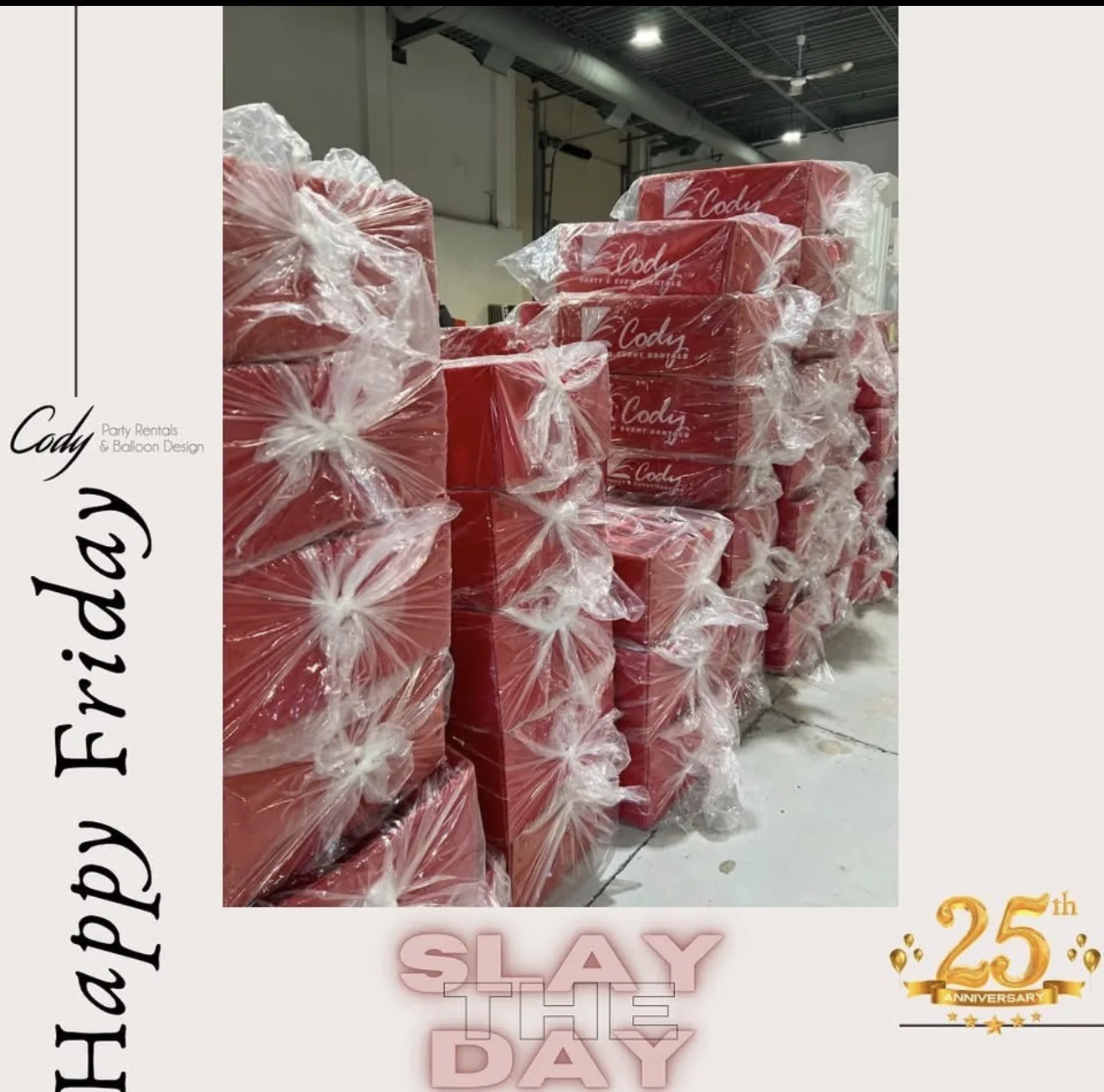
Prepare for the return before the party starts
The easiest return begins when the equipment arrives. Keep the containers, racks, dividers and instructions together, and choose where they will wait during the event. If packaging disappears into several storage rooms, the cleanup team will spend time searching instead of packing. Set aside a clearly identified area that guests will not mistake for a place to put rubbish.
Keep one current order list available. It should show the confirmed items and quantities, not an early enquiry. Share it with the person responsible for cleanup and explain any similar-looking items that must remain separate. A dinner plate and a side plate may be easy to distinguish, but several dish patterns or glass styles can be confused when people are tired.
Confirm the return or collection arrangements before the event. Record when the equipment must be ready, where it should be placed and who will be present. If the venue has a strict closing time, plan the cleanup window around it. Avoid leaving the return plan until the last guest leaves. A few decisions made in advance give volunteers clear tasks and help keep the equipment organized throughout the evening.
Create a return station with separate zones
Choose a stable, practical area for sorting that does not block exits or service routes. Separate dishes, glasses, cutlery, linens and other equipment. Keep rubbish and food waste away from the rental containers so items are not accidentally discarded. A simple label for each zone helps helpers who did not take part in the setup.
Organize the flow from used items to prepared items and then to packed containers. For example, plates can be cleared of food before being placed in their designated container, while glasses can be emptied and returned to their rack. Do not let a mixed pile of dishes, napkins and cutlery become the default. Small utensils are particularly easy to lose when everything is cleared at once.
Ask one person to supervise the sorting rather than having every helper invent a different system. That person can check the instructions, resolve questions and keep the final count. At a catered event, agree with the caterer which preparation tasks they will complete and what remains for you. Clear responsibilities prevent equipment from being packed too early, left behind in a service area or mixed with the caterer’s own supplies.
Prepare dishes without doing unnecessary work
Cody Party’s published return guidance asks for dishes to be cleared of food and packed in the supplied containers. The store handles the dishwashing process; your task is to prepare and organize the items as directed, not to create a separate commercial washing operation at the venue. Follow the instructions provided with your order if they add item-specific details.
For items such as Sabina Plate - Dinner 10.75", remove food before packing and keep the correct type together. Check that cutlery, decorations and folded napkins have not been left between plates. Use the original container and its intended arrangement rather than filling a random cardboard box. Avoid overloading a container or adding a different item simply because there appears to be space.
Keep dishes separate from personal plates and venue inventory. If several people brought their own serving pieces, identify those before cleanup begins. A quick count during packing is more reliable than estimating from the size of the stack later. If a piece is chipped or broken, separate it safely and tell the rental team. Do not put an unsafe broken item loose among intact dishes where somebody may be injured while unpacking.
Return glasses in their original racks or boxes
Empty glasses of liquids before packing and use the original rack or box for the corresponding glassware. Do not treat a glass rack as a general container for cutlery, rubbish or decorations. Its layout is intended to organize and protect the glasses, so keep the packing arrangement consistent with the equipment supplied.
A rental such as Wine Glass - 8oz can be confused with similar venue or personal glassware after a busy event. Compare the pieces with the order and keep styles separate. Check nearby tables, the bar, the kitchen and any outdoor areas before recording the final count. Glasses often travel farther through an event than dinner plates because guests carry drinks between activities.
Avoid forcing a glass into the wrong compartment or stacking loose glasses inside one another. If you cannot find the correct rack or are unsure how a particular item is packed, contact the team for direction. Keep damaged glass separate and clearly identified, using a safe method that protects anyone handling the return. Record the issue so the person returning the order can explain it rather than discovering a problem only when the containers are opened.
Sort and rinse cutlery carefully
Small pieces need a deliberate collection method. Cody Party’s published guidance asks for flatware to be rinsed and returned in its shipping container, with water drained. Set up a designated place for it so forks and spoons are not swept into rubbish with food scraps. Ask helpers to check folded napkins and plate stacks before clearing them.
Separate the types on the order. Fork - Dinner is a dinner fork, and a large event may also use other forks, knives and spoons. Similar pieces can look interchangeable during cleanup, but the return count needs to match what was supplied. Use the original packing arrangement and avoid mixing personal serving utensils into the rental flatware.
Count in manageable groups rather than trying to remember a running total while several people add items. One helper can prepare the flatware and another can check the count against the list. Drain water before packing as instructed and keep the container secure for transport. If the numbers do not match, search the service area and waste-sorting station before those areas are cleared. Finding a few missing pieces at the venue is much easier than searching after everything has been removed.
Handle linens differently from tableware
Linens need their own return process. Remove loose food, confetti and other debris, and use the return container provided. Do not put linens into an unmarked rubbish bag that could be thrown away. Cody Party’s linen guidance says not to launder the rentals yourself and not to pack them damp or wet. If drying creates a timing problem, contact the team rather than changing the return arrangement without agreement.
Keep napkins, tablecloths and other fabric items together by type where practical. Check that cutlery, centrepiece parts and personal belongings have not been wrapped inside. A cloth pulled quickly from a table can hide more than expected. Shake debris off in an appropriate area, away from clean packed equipment and guests.
Prevent extra damage during cleanup. Keep fabric away from candle wax, hot equipment and sharp objects. Do not try an unapproved stain treatment because you are worried about a mark. Tell the team what happened and follow the supplied instructions. A clear explanation is more useful than a home treatment that changes the fabric. The return process is about organizing and protecting the linen, not attempting to restore it with improvised cleaning methods.
Fold and organize tables and chairs as directed
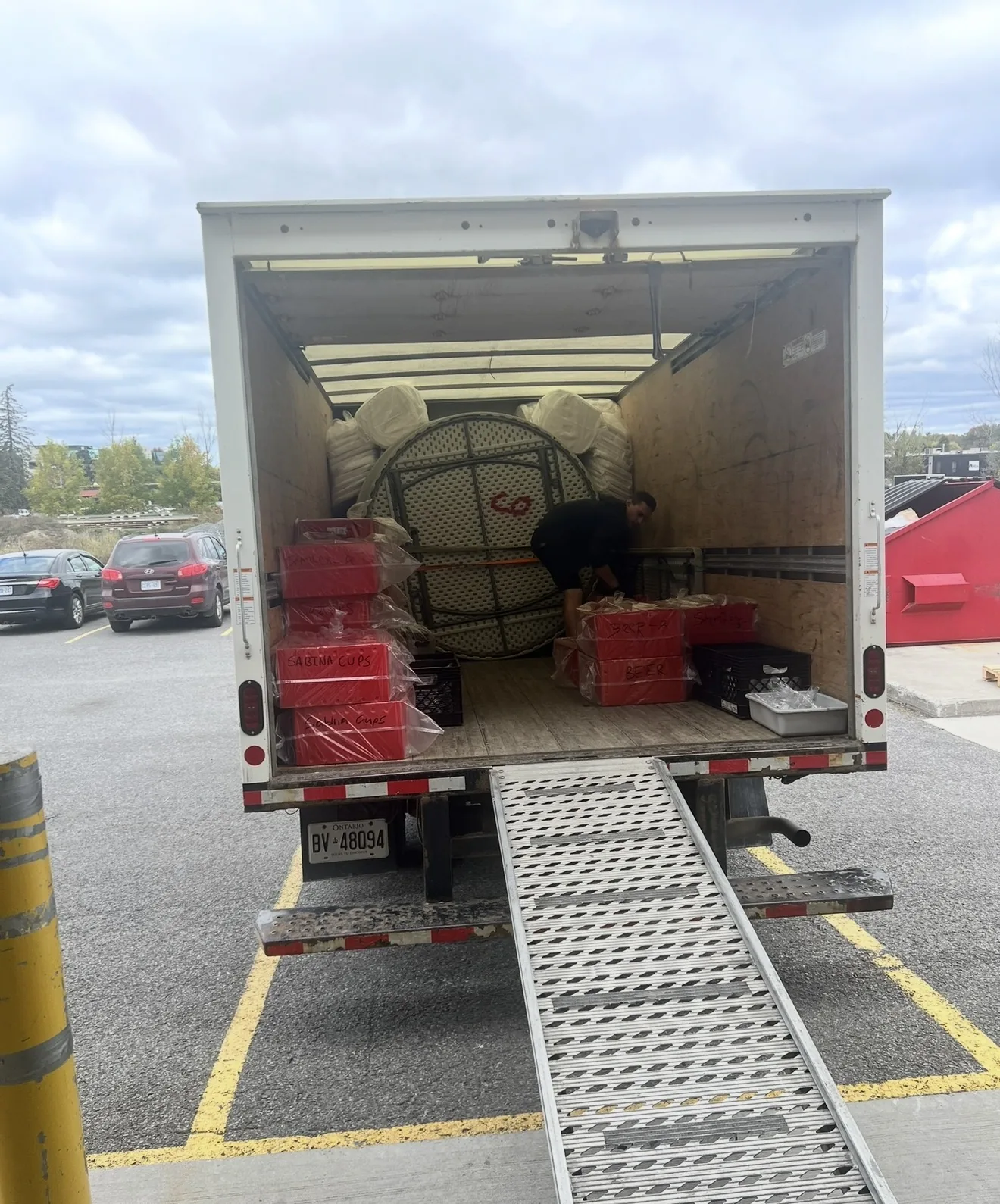
Furniture should be ready for the agreed return or collection arrangement. Cody Party’s published rental guidance calls for tables and chairs to be folded down and stacked ready for pickup. Follow the handling directions for the actual items and ask if you are unsure how they should be grouped. Do not assume every chair style stacks or folds in the same way.
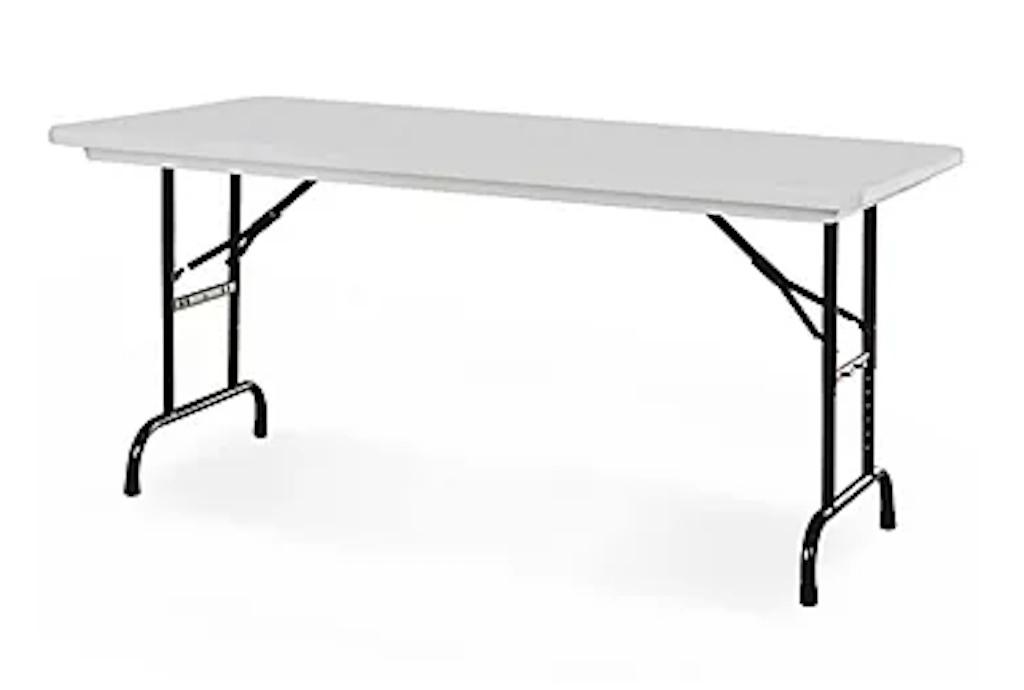
For a Table Rectangular - 6' Long X 30" Wide X 30" High, remove linens, tape, personal decorations and other items before handling it as instructed. Keep hands clear of folding mechanisms and use enough help for awkward pieces. Do not drag a table across a floor or use a chair as a makeshift step to reach decorations. Cleanup should not introduce damage after the event itself has gone well.
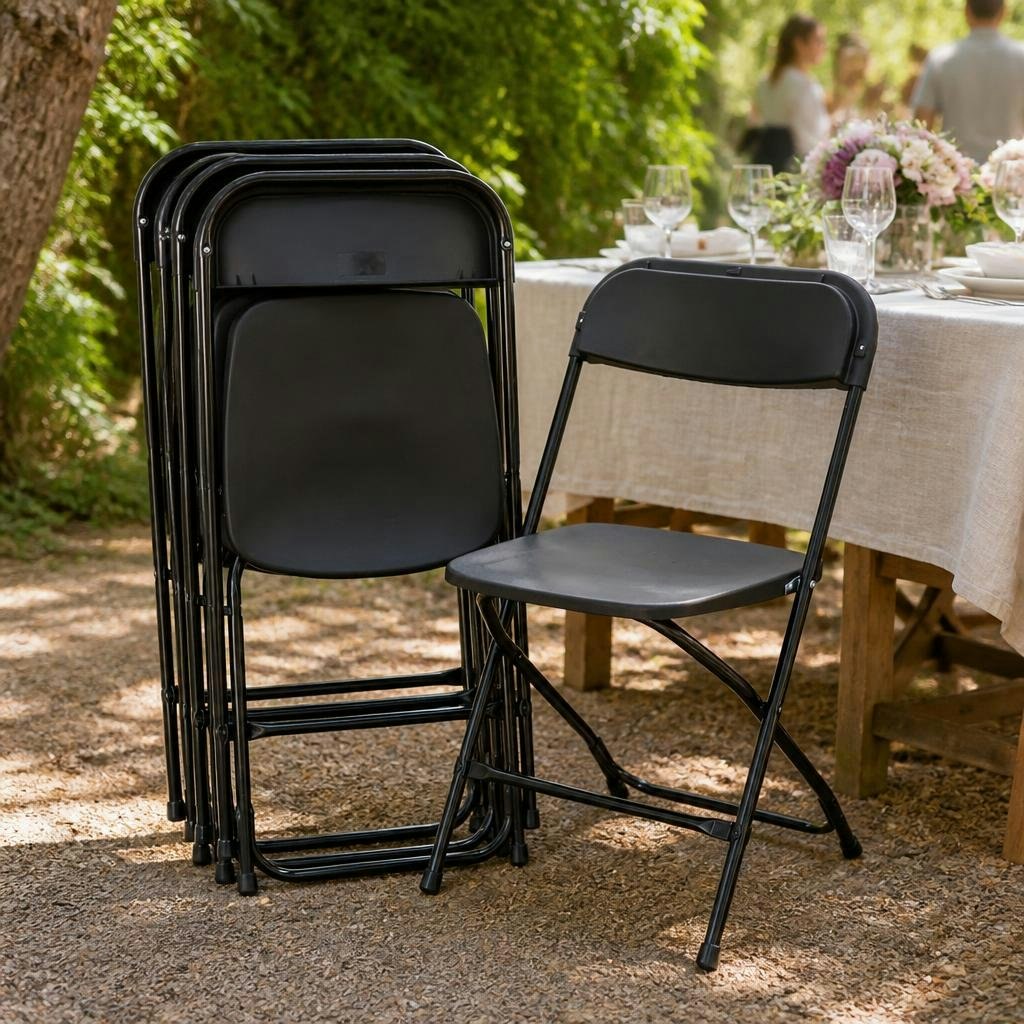
Group chairs such as Chair - Plastic Folding - Black separately from other styles. Keep the count visible and the stacks stable according to the supplied instructions. Place the equipment in the agreed accessible area rather than blocking doors or leaving it exposed to weather. If collection is scheduled, preserve the route the crew needs. Furniture that is ready but trapped behind parked vehicles or rubbish bins is not yet ready for a smooth handover.
Give machines and special equipment their own checklist
Fun machines, cooking equipment and self-install canopies need the instructions provided with the rental. Do not apply the dishware return routine to electrical or mechanical equipment. Confirm the shutdown, cooling, cleaning and packing steps for the specific model, and keep any required inspection paperwork with it. This planning guide does not replace those equipment instructions.
Keep accessories together. A machine may have separate parts, containers or serving components that are easy to leave on a kitchen counter. Check the equipment list and the supplied packing arrangement before closing the case or loading the vehicle. Avoid using unfamiliar cleaning chemicals or dismantling parts beyond the directions you were given.
If equipment did not work as expected, report it promptly rather than waiting for the final return to mention the problem. If something is damaged, retain it for inspection and tell the team. Do not repair, modify or discard a rental component on your own. A clear account of the issue, together with the equipment and its accessories, helps the team assess the return and keeps the next steps based on what actually happened.
Count once, then investigate differences
Use the confirmed order to record a final count by item. Work through one category at a time and mark completed containers so they are not counted twice. If several helpers are involved, give them separate tasks and have one person maintain the master list. This prevents three different estimates from replacing one reliable count.
When an item is missing, search the places it was used and the places it may have travelled. Glasses may be near the bar or outdoors; cutlery may be folded in napkins; serving pieces may be in a caterer’s preparation area. Check with the venue and suppliers before their own equipment leaves. Avoid assuming a missing piece is definitely in another box without checking.
Record unresolved differences and any damage honestly for the handover. Keep damaged items for the team’s inspection, handled safely. If you find a rental after the scheduled collection or return, contact Cody Party to arrange its return. Do not leave it at an unagreed location or wait until another event. A concise record makes the conversation simpler and helps distinguish an actual shortage from a container that was packed in the wrong group.
Finish with a clear handover
Before collection or customer return, check the containers, count sheet and access arrangements one last time. Equipment should be in the agreed location, organized by type and ready for handling. The person attending should know about any missing pieces, damage or special instructions. Give them the current order reference and a way to reach the organizer if a question comes up.
For customer transport, use the same care with packaging and load security as on the outward trip. Do not squeeze loose equipment around passengers because cleanup took longer than expected. For collection, keep the route clear and ensure the venue remains accessible for the agreed window. If circumstances change, communicate with the team promptly.
A useful final checklist is short: dishes cleared and packed; glasses emptied into their correct containers; cutlery rinsed, drained and sorted; linens dry and prepared as instructed; furniture folded and grouped; special equipment returned with accessories and paperwork; differences recorded. The exact instructions with your order take priority. With that routine in place, returning the rentals becomes the final organized step of the event, rather than a separate job that starts from scratch after the celebration.
Further reading & sources
Check current instructions and requirements for your event and the equipment supplied.