Start with the heater and the fuel actually supplied
The short answer is that propane runtime depends on two things: how much usable fuel you have and how quickly the particular heater uses it at the selected setting. A tank described by its size does not, on its own, answer how many hours of heat you will receive. The heater model, fuel quantity and operating plan all need to be known before making a useful estimate.
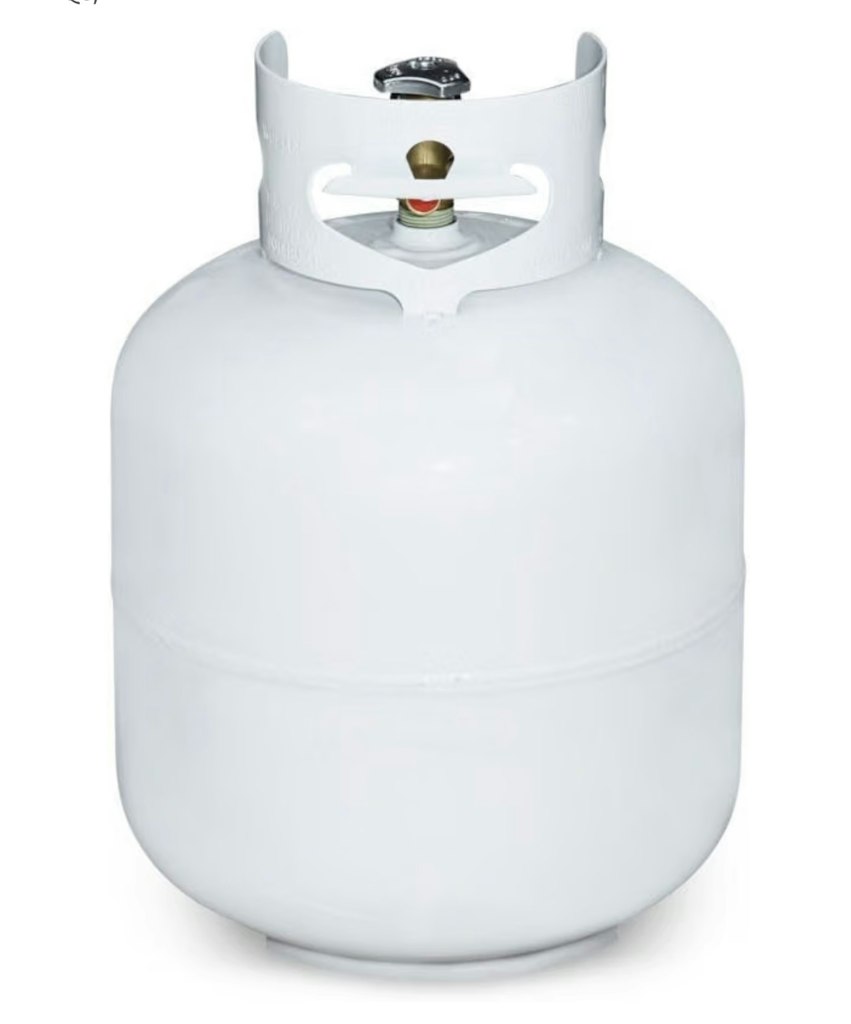
This article does not identify a specific Cody Party patio heater model or promise its availability. The current catalogue includes 20 lb Propane Tank (Filled), but a fuel listing is not a heater specification. Ask the team to confirm the heater being supplied, its approved cylinder arrangement and the relevant manufacturer information before ordering fuel for it. If you already have a heater, give the team its exact model rather than describing only its appearance.
A tall heater, a compact outdoor heater and a propane firebowl are not interchangeable appliances. They may have different inputs, clearances and intended uses. Start with the actual equipment label and manual. Once those details are established, the arithmetic is straightforward and the event plan becomes much easier to review. Without them, a confident-sounding number of hours is still only a guess.
Use a simple runtime formula
If the manufacturer gives fuel consumption in kilograms per hour, the basic planning formula is: estimated hours equals usable kilograms of propane divided by kilograms consumed per hour. If consumption is given in pounds per hour, use pounds for the fuel quantity as well. Keeping the units consistent matters more than using a complicated calculator.
For an explicitly illustrative example, imagine that a supplier confirms eight kilograms of usable propane and the chosen operating setting consumes 0.8 kilograms per hour. Eight divided by 0.8 gives ten theoretical hours. These figures are invented solely to demonstrate the calculation. They are not the capacity, consumption or promised runtime of a heater rented from Cody Party.
The same hypothetical fuel quantity used at one kilogram per hour would produce eight theoretical hours instead. That difference shows why the appliance setting belongs in the calculation. A formula cannot correct an incorrect input. Record where each real number came from, preferably the supplied manual or the rental team, and label the result as an estimate. Keep the original units beside the figures so a later change of heater does not leave the fuel plan based on the previous model.
Understand the difference between cylinder size and fuel quantity
A cylinder’s commonly used size describes a nominal fuel capacity; it is not a live measurement of what remains inside. A partly used cylinder has less fuel than a full one, and the total weight of the cylinder includes its metal container. Do not use the gross weight as if it were all propane. Ask the supplier to confirm the quantity or appropriate method of assessing the available fuel.
The product name “20 lb Propane Tank (Filled)” is useful when requesting the listed rental, but confirm how it will be supplied and whether it is compatible with your appliance. Do not assume a cylinder brought from home contains the same amount as one just prepared for the event. A cylinder that feels heavy can still have much less fuel than expected because the container itself contributes substantial weight.
Keep the fuel plan attached to the actual cylinder arrangement. If the supplier changes the equipment or fuel package, update the estimate. Avoid moving between litres, pounds and kilograms without a verified conversion and the proper meaning of the measurement. A simple calculation with confirmed quantities is more dependable than a detailed spreadsheet built around a nominal tank size and an unknown remaining fill.
Read the consumption figure correctly
A heater may show an input rating in BTU per hour rather than fuel mass per hour. That rating describes an energy rate, not a number of operating hours. To use it for runtime, you need a compatible measure of the fuel’s usable energy, with the units matched. The easiest approach for many renters is to ask the supplier for the model’s fuel consumption or its documented runtime under specified conditions.
Do not divide a cylinder’s weight directly by a BTU-per-hour number. Those units are different. Likewise, do not use the output rating or a marketing coverage claim as though it were the fuel consumption. Ask which specification applies to the actual setting you intend to use. If the manual gives only a maximum input, make clear that a maximum-setting estimate is what you are calculating.
Keep the exact model information with the event notes. Photos of the rating label and the relevant manual page can help the responsible operator avoid relying on a similar-looking appliance found online. If the specification is missing or unclear, contact the supplier. The aim is to remove uncertainty from the inputs, not to make the calculation look more precise than the available information supports.
Build a schedule of heater-on time
The event’s advertised length and the heater’s operating time are not necessarily the same. You may want heat while guests arrive, during dinner and for part of the cleanup. Add those periods separately so the fuel plan reflects the intended use. Include any planned checks before opening the area, using the supplier’s operating directions.
For example, an outdoor reception might have thirty minutes of guest arrival, two hours of gathering and another thirty minutes before the area closes. That is three planned operating hours if the heater is needed throughout. If several heaters are involved, calculate each unit’s needs using its own model and setting. Do not assume one cylinder’s estimate describes the whole event.
Add a reasonable contingency in discussion with the supplier rather than scheduling the event to end at the theoretical last minute of fuel. The purpose of the reserve is to handle ordinary uncertainty, not to justify unsafe cylinder storage or improvised connections. Record who will monitor the equipment and what happens if fuel runs low. A clearly defined stopping or changeover plan is better than an urgent search for a spare cylinder while guests are standing nearby.
Calculate each heater before adding the total
If several heaters run at once, keep their fuel needs separate before calculating a total. In a purely illustrative example, three identical appliances consuming 0.8 kilograms per hour for four hours would each use 3.2 kilograms, for 9.6 kilograms across the three. That total does not mean a single cylinder can be connected to all three appliances. The approved cylinder and connection arrangement for each unit still applies.
Make a small schedule with one line per heater: location, model, setting, start time, finish time and confirmed fuel quantity. This makes it easier to see whether one area operates longer than another and to discuss an appropriate fuel plan with the supplier.
Separate fuel planning from comfort planning
Having enough fuel does not guarantee that an outdoor area will feel comfortable. The setting, exposure, guest activity, clothing and layout all affect the experience. A heater’s advertised coverage should not be treated as a promise that every person within a circle will feel equally warm. Discuss the actual outdoor space with the supplier instead of choosing solely by a headline area figure.
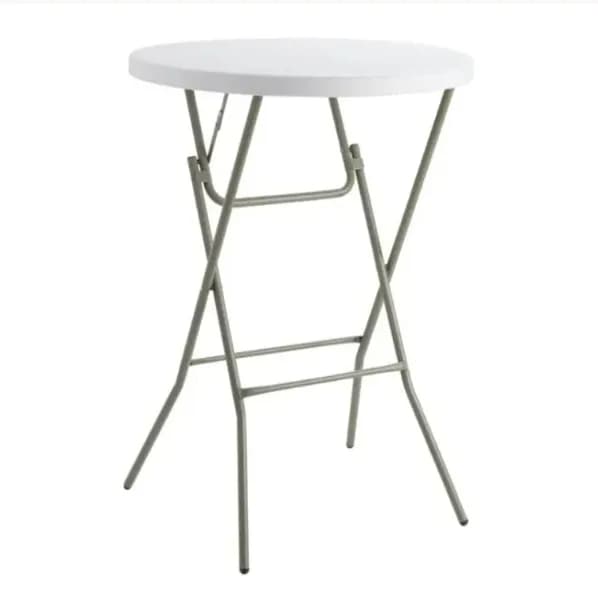
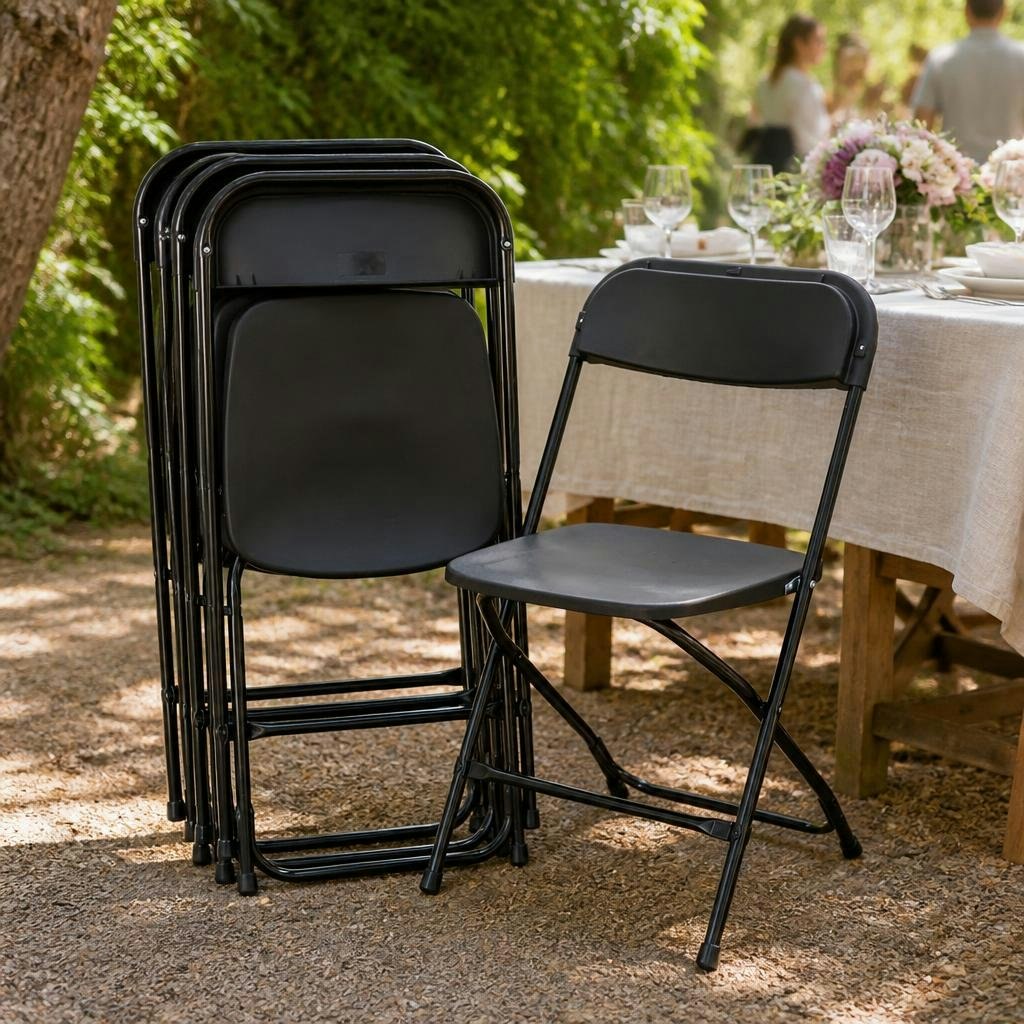
Map where people will stand or sit, where they move and where the approved heater positions could be. A Table Round Cocktail 42" High - 32" Wide Top might support a standing drinks area, while Chair - Plastic Folding - Black could be used for seating elsewhere in the event. These furniture examples do not establish safe heater spacing. The appliance’s required clearances must remain separate and must not be reduced to fit another table.
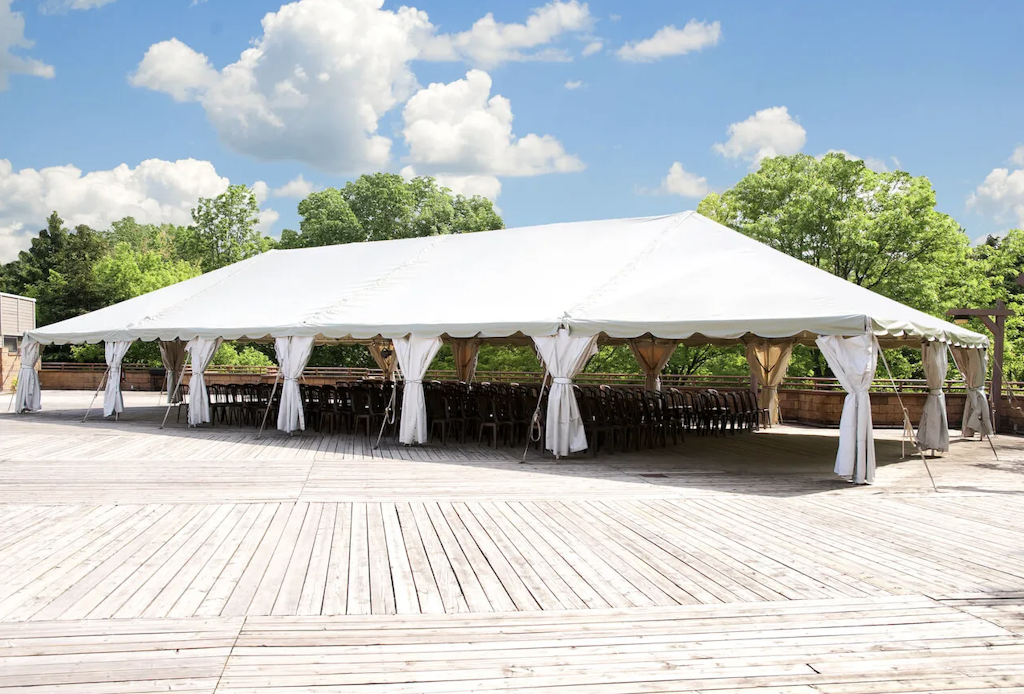
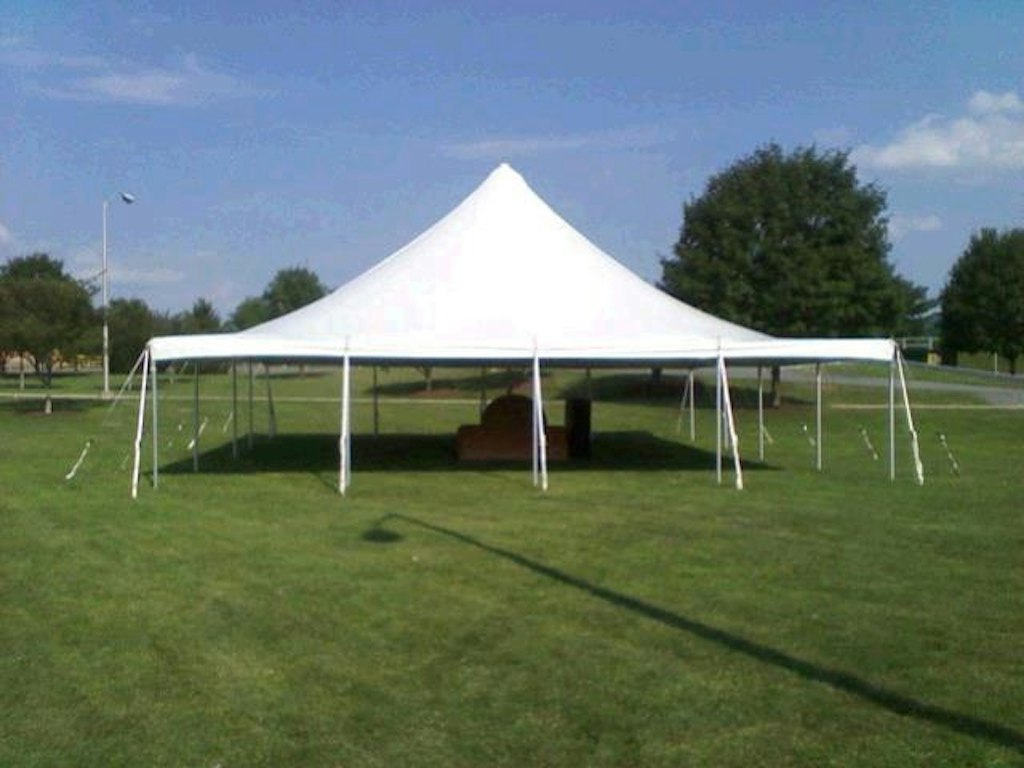
Plan an alternative if the conditions make the outdoor portion uncomfortable or unsuitable. Shortening that portion, using a suitable indoor venue or changing the programme may be more practical than adding equipment without reviewing the layout. Do not enclose an outdoor patio heater with tent walls to conserve warmth. The correct equipment and safe setting take priority over trying to make a fuel estimate last longer.
Choose a safe outdoor position
TSSA’s patio-heater guidance says these appliances are for outdoor use and must not be operated inside a tent or other enclosed structure. Use the actual manufacturer’s clearances around and above the heater. Nearby fabric, decorations and building openings all matter. A location is not suitable simply because there is room for the heater’s base.
Have the proposed placement reviewed before guests arrive. Keep exits, access routes and emergency equipment clear. Use a stable location appropriate for the appliance and follow the supplier’s instructions. Do not make a last-minute move because a table looks better in the original position. Changes can affect clearances and the safe arrangement.
Give one responsible person the placement plan and operating instructions. Ask caterers and decorators not to move the heater or place materials near it without checking. Once guests arrive, small changes happen easily: a sign is leaned beside equipment, a chair moves closer, or a temporary storage box appears. A planned layout and an informed operator help keep those ordinary event adjustments from undermining the original safe setup.
Arrange fuel handling before the event
Confirm who will connect, operate and shut down the equipment, using the instructions for that specific model. Ask how any spare cylinders should be transported and stored, and whether the supplier should handle those arrangements. Do not plan to learn cylinder handling from an unrelated online video while the event is underway.
Ottawa’s propane guidance calls for upright, secured cylinders in a ventilated transport arrangement, with valves closed and protection as applicable. Cylinders should not remain in a vehicle for extended periods, and unused cylinders belong in a suitable outdoor storage location away from heat and flame. Follow the supplier’s directions for the actual cylinder and transport plan.
Do not create improvised connections, modify regulators or attempt to increase fuel flow. If you smell gas or suspect a leak, keep people clear, stop using the equipment and follow the supplied emergency procedure; contact emergency services when there is an immediate hazard. The event plan should include the relevant contact details and the location of emergency equipment. Fuel planning is complete only when the handling arrangements are as clear as the number of cylinders requested.
Troubleshoot the plan, not the appliance
If the heater appears to use fuel faster than expected, first compare the event plan with the assumptions used for the estimate. Was the cylinder partly used? Is the heater operating at a higher setting? Has it been on longer than the scheduled period? These questions can explain a planning difference without inviting anyone to adjust internal parts or bypass a safety feature.
If the equipment does not operate normally, stop and contact the supplier using the directions provided. A runtime calculation is not a troubleshooting manual. Do not warm a cylinder, alter a connection or defeat a shutoff to try to recover the expected operating time. Keep the model and rental reference available so the team knows which equipment you have.
Record what you observed in straightforward terms: the setting used, approximate operating time and any visible indication described in the manual. Avoid guessing the technical cause. Good information helps the supplier respond appropriately and helps you decide whether to change the event programme. The immediate goal is a safe, practical next step, not proving that an arithmetic estimate must have been correct.
Send a complete heater and fuel enquiry
For a useful enquiry, provide the event date, outdoor location, intended operating hours, number of heaters and the layout of the area. If you already own the appliance, include the exact model and fuel specification. If you want to rent one, ask the team to confirm availability and model details first. The current catalogue’s propane listing alone does not confirm a patio heater offering.
Ask for the expected consumption at the intended setting, the usable fuel quantity supplied, the approved cylinder arrangement and any contingency recommendation. Confirm placement, clearances, weather restrictions and who handles the equipment. Keep the answers with the order instead of relying on a general statement that a tank “usually lasts all night”.
Then calculate the estimated runtime and compare it with the full schedule, including arrival and shutdown periods. Add fuel only through an approved arrangement, and keep the outdoor event plan flexible if conditions change. The result should be a documented estimate with clear assumptions, appropriate equipment and safe handling responsibilities. That gives you a far more useful answer than a single number of hours that may belong to a completely different heater.
Further reading & sources
Check current instructions and requirements for your event and the equipment supplied.