Create a menu-to-equipment map
Start with the finished menu and list every item that will appear on the buffet. Beside each one, write whether it will be served hot, cold or at room temperature as appropriate to the food. Then identify its serving vessel, serving utensil and replenishment arrangement. This turns a vague request for “buffet equipment” into a list that the caterer and rental team can review.
Include the small items that tend to disappear from a first draft: bread, butter, sauces, dressings, toppings and dietary alternatives. A main-course tray may be obvious, while a sauce needs a ladle or spoon and somewhere to rest it. If a food arrives in the caterer's own container, ask whether that container is suitable for the planned service or whether it will be transferred.
Keep cooking, transport, holding and serving separate on the sheet. A chafing dish at the buffet does not replace the equipment needed to cook or safely transport the meal. Your caterer should own the food-handling plan. The rental list supports that plan by providing the agreed tables, pans, dishes and tools. When each menu item has a complete route from arrival to service, missing equipment is much easier to spot.
Choose tables by the footprint of the equipment
A buffet table needs room for more than the visible food pans. Account for the full footprint of each stand, space to open lids, serving utensils, plates and staff access. Do not estimate capacity by dividing the table length by the width of a food tray alone. Handles, lids and safe working space occupy room too.
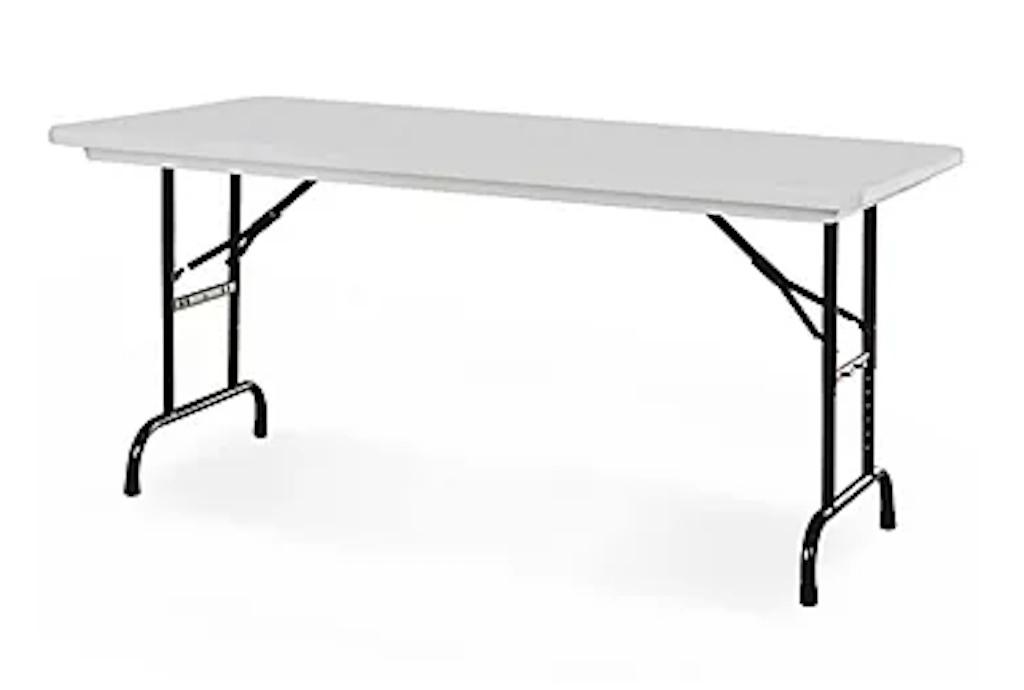
The Table Rectangular - 6' Long X 30" Wide X 30" High is one table option to review for a buffet arrangement. Confirm the table's suitability and load limits for your actual equipment with the rental team. Water-filled chafing dishes and food can be heavy, and an attractive layout is not a substitute for a stable, appropriate surface. Put the equipment in its intended positions during a dry setup before adding food or heat.
If the table is against a wall, decide how staff will reach it to replenish dishes. If guests serve from both sides, ensure the equipment and utensils support that arrangement. A double-sided buffet is not automatically twice as fast if both sides compete for one serving tool or reach across the same hot pan. Match the number of tables to the menu and service method rather than to guest count alone.
Draw the guest route before decorating
Sketch the room and mark the buffet entrance, the direction of travel and the place guests return to their seats. Look for conflicts with doors, coat storage, the bar and washrooms. A line that crosses the main entrance can become inconvenient even when the food table itself is generously sized. Keep required exits and accessible routes clear, and confirm the layout with the venue.
A simple sequence usually begins with plates, moves through food in the intended order and finishes with anything guests need before returning to their tables. Cutlery can be preset or placed where it does not make carrying a plate more awkward. Drinks often work better at a separate station because pouring and choosing beverages can slow a food line.
Walk the route while carrying a plate during setup. Check where someone stops to read a label, adds a sauce or waits for a serving utensil. Those small pauses reveal potential bottlenecks. If the line needs to turn a corner, leave room for people to move naturally rather than forcing them through a narrow gap. A good buffet layout feels obvious to a guest seeing it for the first time.
Plan hot holding with the caterer
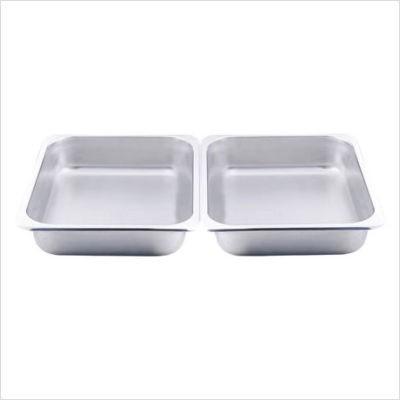
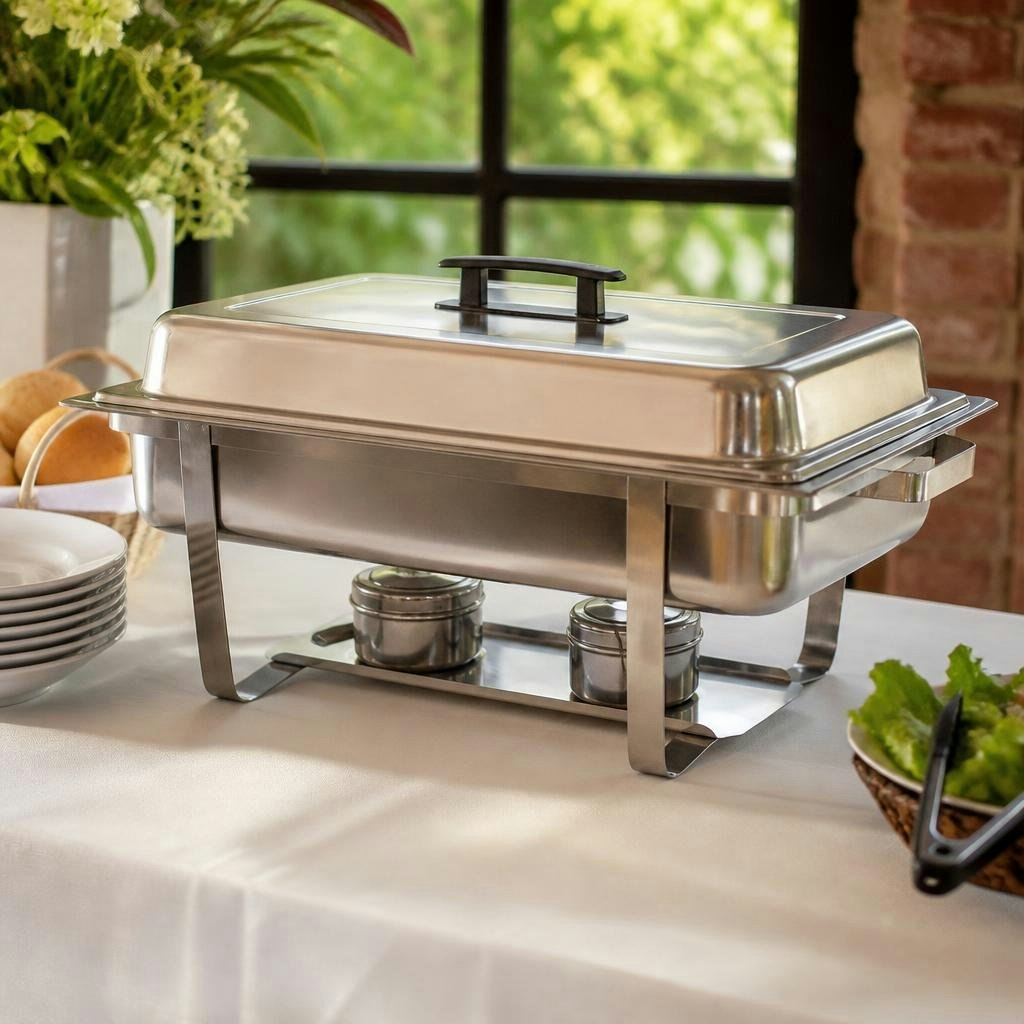
For menu items that need hot holding, review the Chafing Dish Kit - Rectangle with your caterer. Confirm how many complete units are needed and whether the planned pans fit. The Chafing Dish Food Pan - One 1/2 Pan offers a half-pan option to discuss, but do not assume every combination is compatible or that every accessory is included. Check the actual kit, lids and heat source before the event.
Health Canada advises keeping hot food at or above 60°C and cold food at or below 4°C. Holding equipment must be part of a monitored food-service plan, not a visual reassurance. A responsible person needs to check food with an appropriate thermometer and respond if the required conditions are not maintained. A lid, steam or a warm-looking tray does not establish the food's temperature.
Ask the caterer how hot food will reach the buffet ready for holding and how replacement pans will be kept ready. Do not plan to use a chafer to bring cold food up to serving temperature. The equipment selection, preparation schedule and service duration must work together. If one part is missing, solve it before deciding how many rental units to request.
Give cold dishes and dietary needs their own plan
Cold dishes need more than an empty space between the hot trays. Ask the caterer how they will remain at the required temperature and how often smaller batches will be replaced. Confirm the equipment used for that purpose rather than assuming the room or outdoor weather will keep food suitably cold. An Ottawa event can move between sun, shade and indoor warmth during the same service.
Dietary alternatives need a clear serving plan too. Discuss ingredient information, separate utensils and the way food will be offered with the caterer. Do not describe a dish as allergen-free simply because it has a label or a separate bowl. Preparation, handling and guest communication all matter. An attended option may be more appropriate than leaving a special dish on a crowded self-serve line.
Consider where labels will be placed so guests can read them before reaching for food. Labels should describe the dish and direct ingredient questions to the person responsible for the menu. Avoid making servers guess. Keep a clean replacement utensil ready if a tool is moved between dishes. The rental order should support the agreed handling method, while the caterer remains responsible for the food and its information.
Match every dish with a serving tool
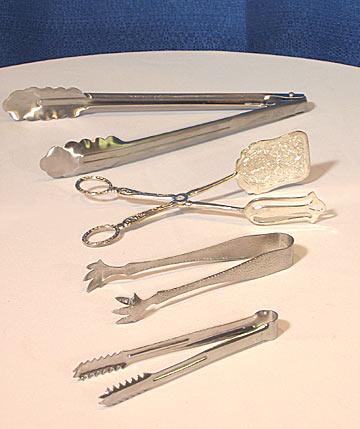
Count serving utensils separately from guest cutlery. Each food needs an appropriate tool, and each separate service line needs its own set. The Tongs-Serving-Stainless Steel may suit some foods, while Serving Spoon Stainless Steel - Long Handle may be useful for others. The shape and texture of the food should decide the tool. A utensil that looks right but cannot lift the food neatly can slow the whole line.
Ask the caterer whether serving tools are supplied with the meal. If they are, record exactly which ones so you do not duplicate them or leave a gap. Include clean replacements for tools that are dropped or otherwise removed from service. Put them where staff can reach them quickly, not inside an unopened box underneath the guest side of the buffet.
Plan a resting place for each tool so handles do not slide into food or create a mess on the linen. Keep tools associated with their dishes throughout service. If guests can approach from both sides, discuss whether duplicate tools or attended service would make the arrangement easier. The right utensil count is based on dishes and stations, not on the total number of guests.
Calculate plates and cutlery around fresh service
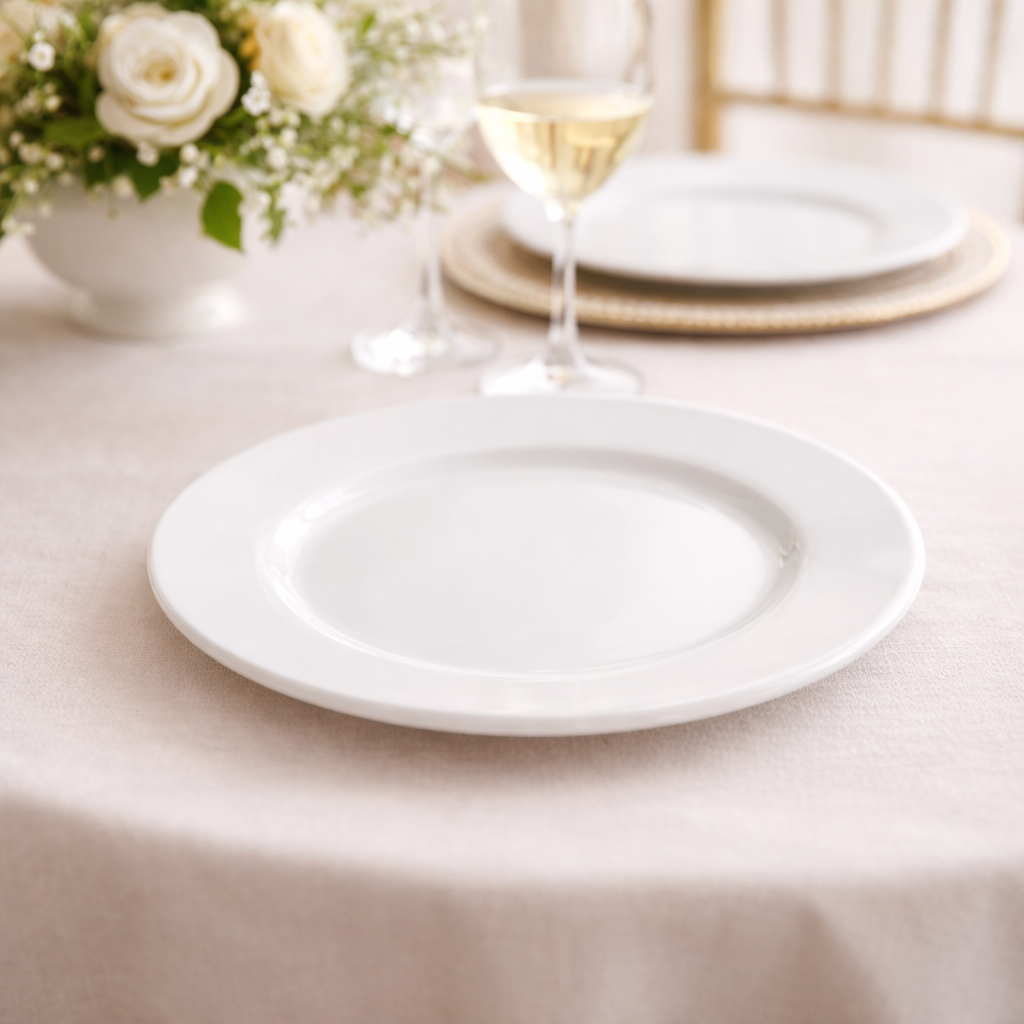
A buffet plate count depends on whether guests will be offered fresh plates for additional visits. Start with the number of diners, then add the planned fresh-plate uses and a deliberate reserve. The Sabina Plate - Dinner 10.75" is one dinner-plate option to review with the menu. Confirm the portioning and presentation before choosing the size.
For example, a buffet for 80 diners might be planned with 80 first-use plates and 24 additional fresh plates, plus eight replacements. That gives 112 before any catalogue-unit rounding. This is an example of a counting method, not a standard quantity for every event. A short lunch and a long multi-stage dinner may produce very different needs. Your service lead should review the assumptions.
Keep dessert plates and utensils separate if dessert is served later. If dinner dishes are cleared before cake, they will not be available for dessert unless a suitable washing and turnaround process is explicitly arranged. For public food service, confirm the event's permitted serviceware with Ottawa Public Health before ordering reusable dishes. Temporary vendor requirements can differ from a private catered dinner, and that distinction should be settled before the rental list is finalized.
Design replenishment from the staff side
Guests see the buffet, but staff need a second plan behind it. Decide where replacement food waits, which route it takes to the table and where used pans go. Avoid sending someone carrying a hot pan through the centre of a guest queue. If the room has only one access route, consider attended service or a different table position.
Health Canada recommends replacing a used buffet serving dish with a clean one when restocking rather than adding fresh food into the dish already in use. That makes spare pans and a staging area worth discussing with the caterer. The rental quantity may need to cover food currently on display and clean replacement vessels, not just the number of dishes on the menu.
Assign a person to watch the service and communicate with the kitchen or food supplier. Someone should know when a dish is running low, which alternatives are available and where replacement utensils are stored. Do not assume any nearby helper has that responsibility. A clear replenishment role prevents several people from reacting to the same problem while another dish or service point is overlooked.
Keep drinks, clearing and waste from blocking the line
A drink station attracts guests who may not be ready to eat, so it can create cross-traffic when it sits directly beside the buffet entrance. Where the room allows, separate drinks from the food line and give guests a clear route between them. Include space for water as well as other beverages. Make sure the station can be replenished without carrying supplies through the busiest part of the queue.
Plan the clearing point before the event begins. Used plates and glasses should not accumulate beside clean food or spare utensils. Tell guests or servers where items belong, and give the clearing team suitable containers and the order's handling instructions. Keep rental pieces separate from waste so small utensils are not lost inside napkins or food scraps.
A final room check should consider the whole experience: approaching the buffet, serving food, collecting a drink, returning to a seat and clearing afterward. Each stage needs enough space to work without interrupting another. A buffet can look beautifully arranged in a photograph yet fail when those movements begin. Testing the routes during setup is a practical way to catch that before guests arrive.
Use a final checklist before sending the request
Review the menu-to-equipment sheet with the caterer or person responsible for food. Confirm tables, complete chafing units, compatible pans, serving tools, guest dishes and reserve quantities. Add linen sizes only after table dimensions and equipment placement are settled. Check the venue's rules for heating equipment and confirm who will monitor the food throughout service.
For a public event, consult Ottawa Public Health's special-event guidance early. Food handling, facilities and serviceware requirements may affect the entire plan. For any event, clarify what the caterer brings and what the host rents. Do not use a rental order to fill in unknown food-safety arrangements after the fact; equipment should follow an agreed service plan.
Submit exact items, quantities, dates and pickup or delivery preference to Cody Party, with any compatibility questions clearly noted. Before guests arrive, walk the line once more and check that labels, utensils, clean replacements and staff routes are ready. A successful buffet is a coordinated service, not simply a row of trays. A thoughtful rental list gives that service the space and equipment it needs to run smoothly.
Further reading & sources
Check current instructions and requirements for your event and the equipment supplied.