Understand the job of a chafing dish
A chafing dish is part of the serving stage of a meal. In a typical water-pan arrangement, a heat source warms water beneath a separate food pan. It is intended to help hold prepared hot food during service. It should not be treated as the equipment that cooks a meal or brings chilled food safely back to serving temperature. Those jobs need an appropriate preparation plan before the food reaches the buffet.
Start by asking your caterer how each dish will arrive, where it will wait and when it will be placed in the chafer. The answer may be different for food prepared at the venue and food transported from elsewhere. A rented unit can only support a service that has been planned from preparation through holding and replenishment.
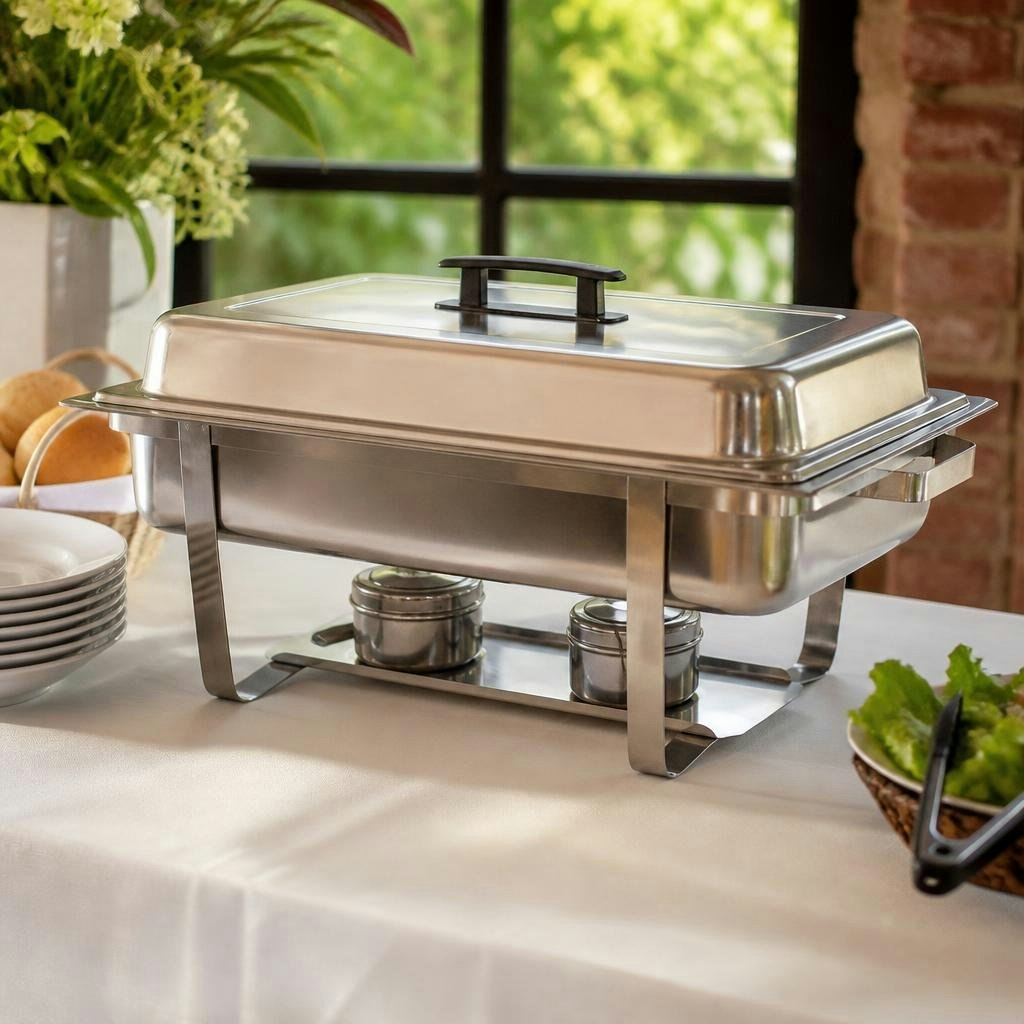
The Chafing Dish Kit - Rectangle is the catalogue starting point to review with Cody Party. Use its listing to begin the conversation, then confirm the exact equipment supplied for your order. A photograph or the word “kit” does not tell you every component or consumable included. Knowing what the unit does, and what it does not do, will help you order the right number and avoid relying on it for the wrong task.
Match the menu to the pans
List the foods that need hot holding and ask the caterer how each will be served. A large quantity of one dish may suit a different pan arrangement from two smaller menu items. Consider portion size, serving speed and how easily food can be lifted from the pan. The pan that holds the most food is not automatically the easiest one to use well.
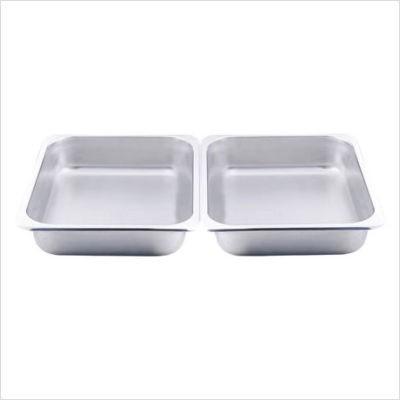
The Chafing Dish Food Pan - One 1/2 Pan is a half-pan option to discuss alongside the complete chafer. Confirm compatibility, depth and the number of pans needed with the actual unit. Do not assume that any pan marked “half size” will work in every arrangement or that a full pan can be replaced by two smaller pans without checking. The rental team and caterer should agree on the combination.
Plan the presentation around the food too. A sauce-heavy dish may need a different serving utensil from a tray of vegetables or a portioned main. Ask whether the food's texture will hold well through the intended service. If it will not, a shorter service window or smaller replenished batches may be more useful than a larger pan. Equipment choices work best when they follow the menu rather than trying to make every menu fit the same equipment.
Count complete units, replacement pans and utensils separately
The number of menu items is a useful starting point, but it is not the complete chafer count. Some items may share a compatible divided arrangement; others may need their own unit. A second buffet line may require duplicate equipment. Discuss the service layout and quantities before deciding that six hot dishes automatically mean six identical kits.
Replacement food pans are another count. If the caterer intends to swap a used pan for a clean, filled pan, the order may need more food pans than stands. Keep those quantities separate on the worksheet. Record complete units, additional pans, lids and consumables as distinct items where applicable. This makes it easier for the rental team to confirm what is included and what must be added.
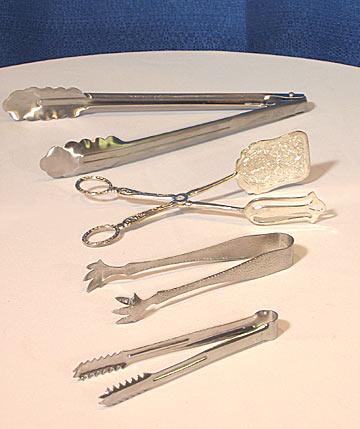
Every food also needs a suitable serving tool. Review Serving Spoon Stainless Steel - Long Handle or Tongs-Serving-Stainless Steel when they suit the menu, and ask about other tools where needed. A spare pan without a serving utensil can still interrupt the buffet. Plan clean utensil replacements and a place for staff to find them. The complete system includes the display unit, the replenishment pieces and the tools used to serve the food, not merely the metal stand guests can see.
Confirm the venue and heat-source arrangement
Before ordering fuel-heated equipment, confirm the venue permits it in the intended location. Rules can differ between venues and event settings. Tell the venue what equipment you propose to use rather than asking only whether “buffet service” is allowed. If a different heating arrangement is required, resolve it with the caterer and rental team before the event.
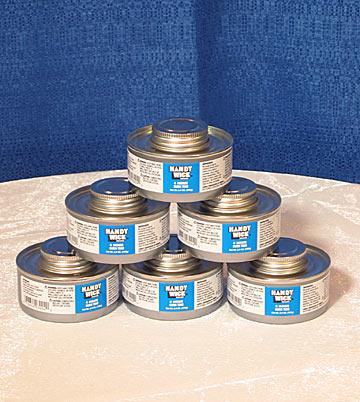
Cody Party lists Sterno - (Heating Fuel) separately. Confirm whether your kit includes any fuel, which product is approved for the supplied unit and how much is needed for the planned service. Do not infer burn time from a generic online description or assume a fuel container can be replaced while hot. Use the supplied product's label and the actual unit's operating instructions.
Sterno's manufacturer guidance calls for ventilation, attention to the water level and care around hot steam; it also directs users to the fuel label's instructions and warnings. These are reasons to brief the person operating the buffet rather than leaving equipment for any volunteer to figure out. Ask for a demonstration if the operator is unfamiliar with the supplied kit. A clear handover is more useful than a collection of unrelated instructions for models you are not renting.
Set up the service position before adding heat or food
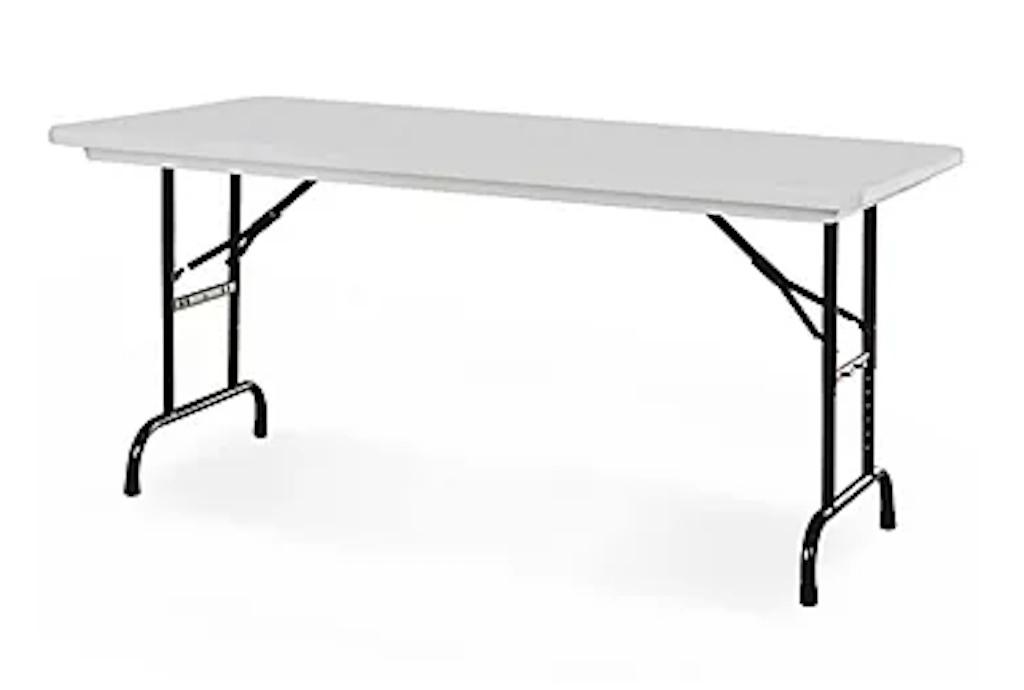
Choose the final buffet position with the caterer and venue. The surface must be stable and appropriate for the loaded equipment, and guests should not have to squeeze past it. Review a table such as Table Rectangular - 6' Long X 30" Wide X 30" High with the rental team, including the actual load and layout. Do not assume that a table is suitable merely because the chafer fits on its top.
Arrange the complete units during a dry setup. Check room for lids to open or be set down as designed, for serving utensils and for staff to replenish food. Position labels where guests can read them without leaning over equipment. Keep the operator's access clear. If a unit is awkward to reach while empty, it will be harder to manage once it contains hot water and food.
Follow the instructions supplied for the specific chafer and fuel when setting it up. Keep combustible decorations, loose fabric and other unnecessary items away from the heating arrangement. Do not move equipment with lit fuel or handle hot components casually. The layout should be settled first so there is no temptation to rearrange a functioning buffet when guests arrive. A careful empty setup avoids hurried decisions at the busiest moment.
Build a monitored hot-holding plan
Ottawa Public Health states that hot-holding equipment must maintain food at a minimum internal temperature of 60°C and that a probe thermometer is used to check it. Steam from a water pan does not establish the temperature of the food above it. Assign a responsible person to monitor the service and use the appropriate food-handling process for the event.
Ask the caterer when food will be checked, where the readings will be recorded and what action will be taken if holding conditions are not maintained. The important point is to have the answer before a problem occurs. A host entertaining guests should not be the only person expected to notice a food-service issue across the room.
Keep the timing visible. Record when each dish is placed into service and which replacement batch comes next. This is particularly useful if different foods arrive at different times or the meal is served in stages. The rental order should support the monitoring plan, with enough appropriate equipment and accessible working space. It cannot replace the knowledge and responsibility of the person handling the food. If no one owns that role, arrange it before proceeding with the buffet.
Replenish deliberately instead of topping up indefinitely
Plan how each food will be replenished before service starts. The caterer should decide the batch size, holding arrangement for reserve food and timing of replacement. A large pan is not necessarily better if it sits on display for a long service while only a few people eat at a time. Smaller planned batches can be easier to manage, provided the food-handling arrangements support them.
Health Canada advises using a clean serving dish when restocking a buffet rather than adding new food to a dish already in use. That is why spare pans belong in the planning conversation. Decide where clean replacement pans wait and where used pans will go. Keep those areas distinct so staff do not have to improvise in front of the guest line.
Assign the replacement task to someone who knows the equipment and the menu. They should have an unobstructed route and the handling equipment specified for the task. Do not expect guests to make space while a helper carries a hot pan through the queue. If the room does not provide adequate access, change the buffet position or service method before the event. Replenishment is a repeatable part of service, not an emergency that should surprise the team.
Give guests clear labels and the right tools
A chafer lid can hide the contents, so clear food labels help guests make decisions before they stop at each unit. Use names supplied by the caterer and direct ingredient questions to the person responsible for the menu. Do not improvise dietary claims from a visual inspection of the food. A separate pan or label alone does not establish that a dish is free from an allergen.
Match one suitable serving tool to each food and keep clean replacements ready. If a utensil is moved between dishes or removed from use, staff need to respond without searching through packed boxes. Consider attended service for menu items that need careful portioning or particular handling. The layout should make the intended use of each tool obvious.
Give guests somewhere comfortable to collect their plates and move away after serving. Avoid placing the chafer immediately beside a narrow turn or a drink station where people stop for longer. Guests should not need to reach over hot equipment to find napkins, cutlery or condiments. A well-arranged buffet reduces awkward movements and makes it easier for the operator to concentrate on the food rather than continually reorganizing the guest traffic.
Plan shutdown, cooling and return handling
Decide who will close the buffet and handle the equipment after service. Use the fuel manufacturer's and supplied unit's instructions for extinguishing, cooling and handling. Do not pack hot components or assume a fuel container is cool because it no longer appears to be burning. Keep guests and helpers away from equipment that is still cooling, and avoid rushing the process to meet a loading schedule.
The caterer should decide how remaining food is handled. A rental return deadline is not a food-storage plan, and a chafer should not be used as a transport container merely because it contains leftovers. Arrange suitable containers and temperature control separately. Keep decisions about food safety with the person responsible for the food rather than asking the cleanup crew to guess.
Once equipment can be handled safely, follow Cody Party's order-specific preparation and packing instructions. Keep stands, pans, lids and reusable fuel holders together in the correct packaging. Distinguish consumable fuel containers from reusable components so nothing is discarded by mistake. Count the returned parts against the supplied list, and report any issue to the rental team. A planned close-down helps prevent missing pieces and makes the end of the event much less hectic.
Send a complete request and brief the operator
Your rental request should identify the event dates, the number of complete chafing units, additional compatible pans and serving utensils, and pickup or delivery preference. Ask the team to confirm kit contents and fuel requirements explicitly. Add the venue and service duration to the planning conversation so an obvious equipment mismatch can be raised before the order is finalized.
Before the event, brief the operator on the menu, replacement batches, monitoring responsibility, equipment instructions and shutdown plan. Show them where clean pans and utensils are stored. Give them the contact details they need if equipment is missing or does not behave as expected. A person who has been assigned the role but has not seen the plan is not yet ready to run the service confidently.
For public food events, consult Ottawa Public Health's special-event requirements early; facilities, serviceware and food-handling rules can affect your setup. For a private catered event, coordinate directly with the caterer and venue. The useful principle is the same: rent chafers as part of a complete service plan. When the food, equipment, space and operator are aligned, the units can do their intended job without becoming an unexpected project during your celebration.
Further reading & sources
Check current instructions and requirements for your event and the equipment supplied.