Choose a service style before a bar style
Start by deciding whether the station is self-service, staffed or a combination. Water and non-alcoholic refreshments may be offered separately from a staffed bar, while a small private dinner may only need pitchers at the tables. Your service style determines the working area, glassware, storage and people needed. A striking bar front is useful only when the operation behind it is practical.
Write a short drink menu rather than planning for every possible request. List water, other non-alcoholic choices, coffee or tea if offered, and any alcoholic drinks. Identify which drinks need mixing, pouring, chilling or a particular glass. Ask the person serving them to review the list before selecting equipment. A limited, well-supported menu can be easier for guests to navigate and faster to serve than an ambitious menu with little preparation space.
Decide when drinks will be available. An arrival reception, dinner service and an evening gathering may have different peak demands. If the station changes purpose during the event, plan the reset and storage. Coffee equipment, cocktail ingredients and used glasses should not all compete for the same small surface merely because each is needed at a different stage of the celebration.
Sketch the guest side and the working side
Draw the station as two separate spaces: the area guests approach and the area used by whoever serves or replenishes drinks. Include storage behind or beside the bar, the route from backup supplies and the place where used glasses will be collected. A station that looks compact from the front may need considerably more room to work comfortably.
Place it where the queue will not block the entrance, buffet or washroom route. If guests approach from several directions, make the service point obvious. Water can be available at another accessible point so someone who wants a quick refill does not need to join the busiest line. Check that people carrying drinks can leave the station without crossing those arriving with empty glasses.
Walk the route with the people who will serve. Imagine a tray arriving, a guest asking a question and another person replenishing supplies at the same time. If everyone meets in one narrow gap, revise the layout before ordering. Keep clear paths for guests with mobility needs and ask about venue requirements. Bar dimensions alone do not tell you whether the whole arrangement will fit or function.
Match the bar to the job and the site
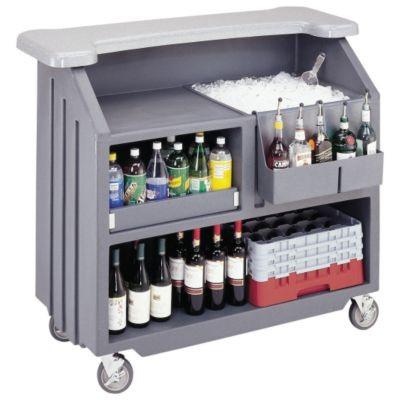
Compare a purpose-made bar with a table-based drink station according to what you need it to do. A bar may define the service area and conceal some working supplies, while a table can suit a simple refreshment setup. Confirm the exact dimensions, supplied components and storage features. Do not infer that a bar includes cooling, a sink, power or other accessories from the product name alone.
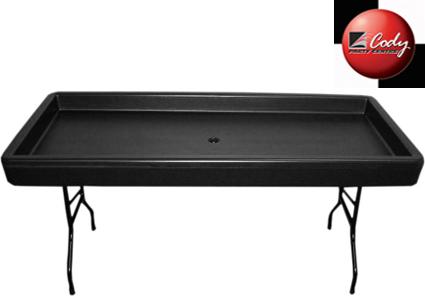
Explore the portable beverage bar when planning a staffed service point. For a different style of station, consider the Fill N’ Chill bar table and ask how it is intended to be used, including what accessories and site arrangements are required. Equipment names are a starting point for questions, not a substitute for checking the details of the item supplied.
The surface and access matter too. Confirm the unit can travel through doors and gates and can stand appropriately at the event location. Outdoor use needs a review of the site and weather arrangements. Keep the station away from active play and places where people will crowd or lean into equipment. Choose a layout that lets staff work without moving the whole bar every time stock needs to be replenished.
Calculate glasses by service occasions
Guest count is only the first step in a glassware calculation. One person may use a water glass at dinner, a wine glass and a separate glass for another drink. Some glasses will be lost from service temporarily because they are left on tables or collected but not washed. Decide whether guests keep glasses, whether servers replace them and whether approved washing is available during the event.
For a planning example, 48 guests each receiving a water glass and a wine glass means 48 of each style before any reserve. A chosen 10 percent allowance brings each requirement to 53 when rounded up. If those pieces must be ordered by the dozen, each becomes 60. This example is a counting method, not a universal formula; your drink menu, service pattern and ordering increments determine the final quantities.
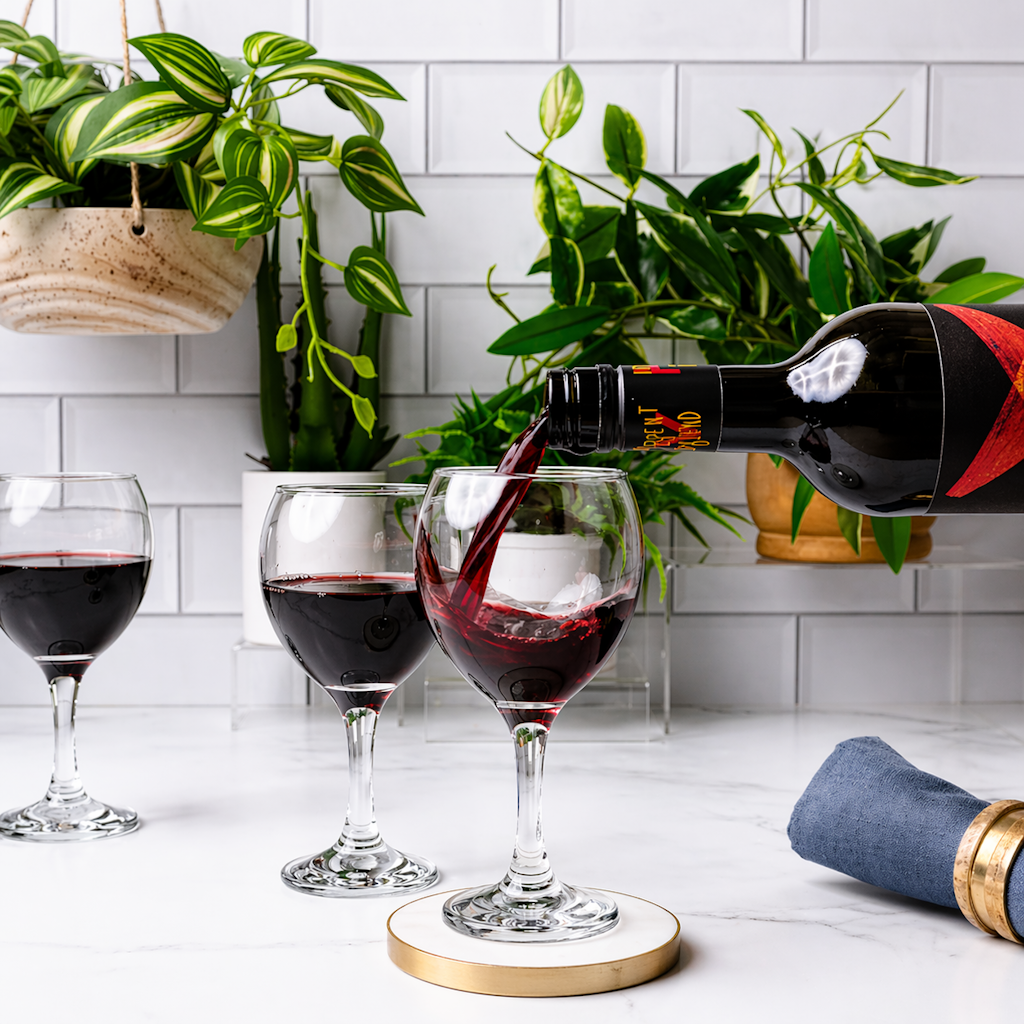
Browse wine glasses alongside the other glass styles required for the menu. Confirm the capacity and shape with your server, particularly for measured drinks or a specific presentation. Avoid filling the order with every style in the catalogue if a smaller selection suits the menu. Equally, do not assume one glass per guest is enough for a long event without a dependable plan for retaining or replacing it.
Use pitchers and carafes deliberately
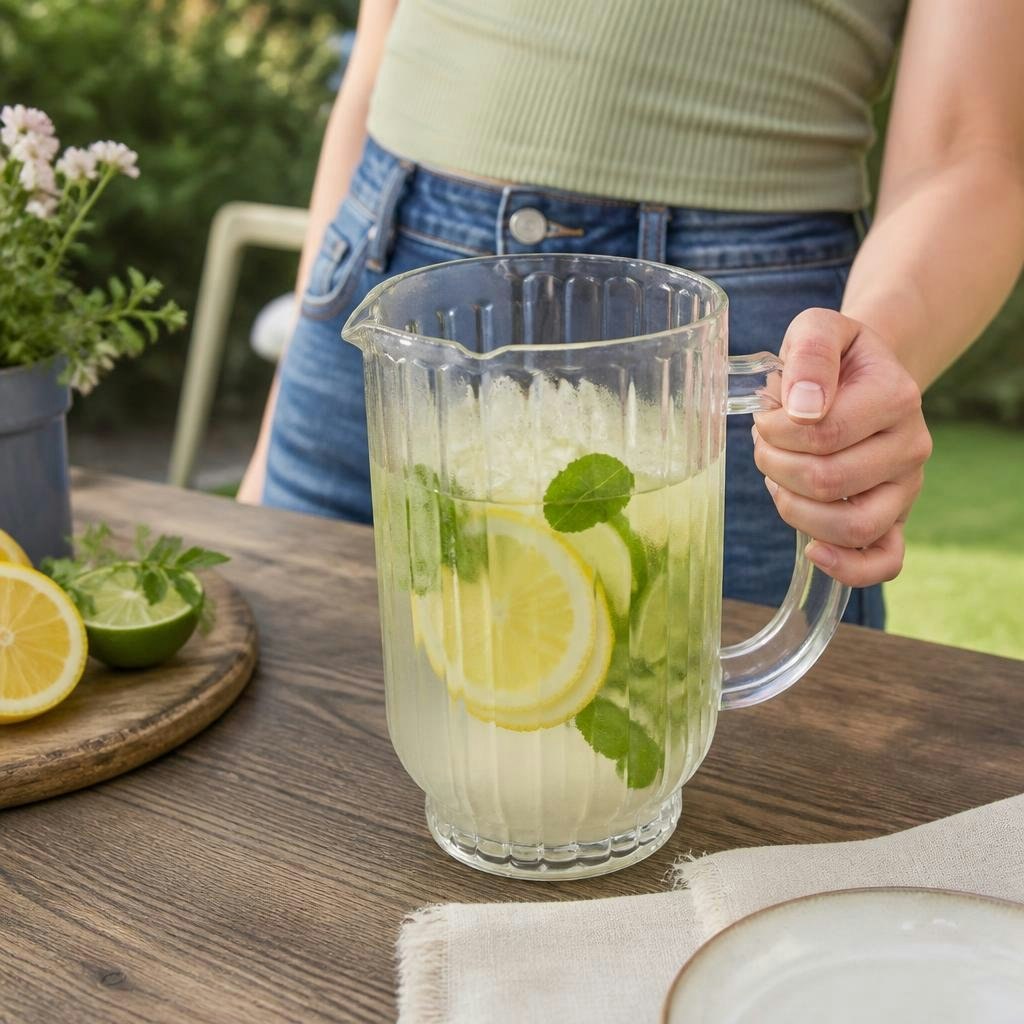
Pitchers can make table service or a simple refreshment station more efficient, but choose them for the intended drink and service method. Check the capacity, material and handling requirements, and make sure the person pouring can manage the filled vessel comfortably. A large pitcher is not always the easiest choice at a crowded table or for a volunteer moving between several groups.
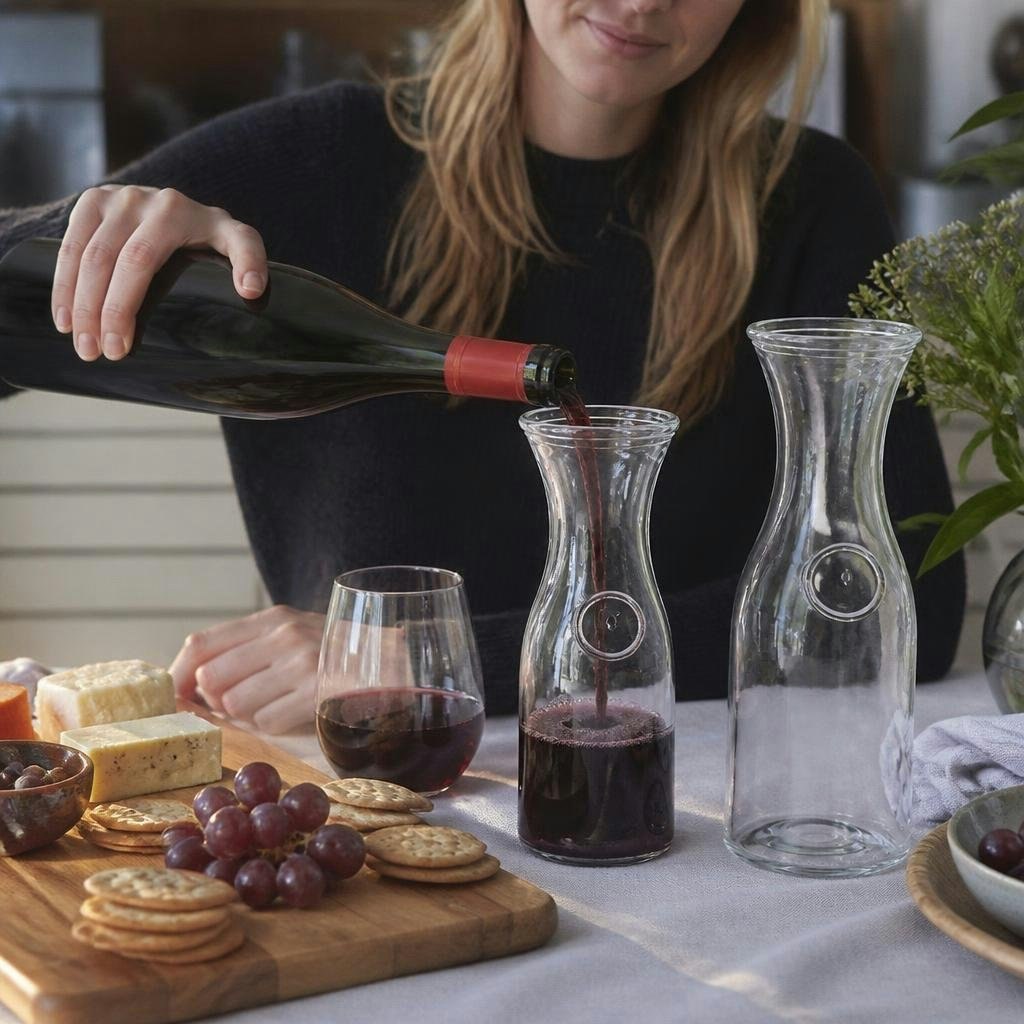
Consider 60-ounce plastic pitchers for suitable water or juice service, or one-litre carafes where they fit your plan. If you place vessels on dining tables, include them in the space calculation with dishes, glasses and centrepieces. If you use them at a station, allow a place for clean backups and for empty vessels awaiting attention. Do not mix the two areas as the event gets busier.
Plan replenishment by task. Who checks the water level, where is the supply stored and how does a clean vessel get back to the table? Avoid topping up a vessel in a way that conflicts with the food-service process or obscures what it contains. Clear labels help guests identify drinks, including non-alcoholic options. Keep allergy or ingredient questions with the person who knows the recipe rather than asking volunteers to guess.
Separate ice, cooling and drink service
Ice used in drinks needs to be treated as a food ingredient, while ice or other cooling arrangements used around containers have a different job. Work out those roles with the service lead and keep the process clear to everyone helping. Do not let a guest's glass become a scoop, and keep clean serving utensils protected according to the applicable food-service guidance.
Check how beverages and perishable ingredients will be stored before and during the event. A serving table or decorative bucket does not automatically provide adequate temperature control. The person responsible for food and drinks should specify suitable storage and monitoring, including transport to the site. For public food service, confirm the requirements with the appropriate health authority before the event rather than adapting a household setup at the last minute.
Ask about the intended use of each rented cooling or serving item and any supplied accessories. Establish where replenishment materials will be kept and how water or waste will be handled. Avoid a setup that requires someone to carry dripping containers through seated guests. A clear division between reserve stock, working supplies and guest service makes the station easier to maintain and reduces the temptation to improvise when it becomes busy.
Give servers the small pieces they need
The main bar may get most of the attention, but smaller pieces often determine whether service runs smoothly. Review the menu with the server and list the appropriate pitchers, trays, serving utensils and other tools. Check what the server or caterer brings before adding duplicates. Confirm which accessories are included with each rental item and which must be requested separately.
A non-slip round serving tray can be useful for an appropriate service arrangement, but it does not replace safe handling and training. Plan a landing surface where trays can be placed without obstructing clean glasses or drink preparation. Give servers a route that avoids the tightest guest queues, and do not assume a full tray can be carried through a space merely because one person can walk through it empty-handed.
Store clean glassware where it is protected and easy to reach. Keep used-glass collection clearly separate, with suitable racks or packaging handled according to the rental instructions. Assign someone to check that collection points do not overflow. If no one is responsible for clearing, guests may begin placing used glasses beside clean ones simply because it is the nearest available surface.
Confirm alcohol and venue requirements
If your event includes alcohol, determine the applicable requirements before finalizing service. The event type, location and whether alcohol is sold or otherwise supplied can affect the rules. Ask the venue, service provider and appropriate authority about the setup you are planning. Do not assume a wedding, workplace party, fundraiser or backyard gathering follows the same process as another event you have attended.
The City of Ottawa directs organizers to the Alcohol and Gaming Commission of Ontario for alcohol licensing. Use current guidance and the relevant application process where required, rather than relying on a general blog article as permission to serve. Confirm who is responsible for the permit, service arrangements and any venue conditions. A rental company supplies equipment; renting a bar or glassware does not establish authorization for alcohol service.
Keep water and appealing non-alcoholic drinks easy to access regardless of whether alcohol is offered. Coordinate transport and guest-care arrangements with the event lead and the people responsible for service. The equipment layout should support their plan, including a clear working boundary and the ability to speak with guests. Resolve these responsibilities before the event so volunteers are not asked to interpret unfamiliar rules while serving.
Test the setup before guests arrive
Set up the station early enough for a practical rehearsal. Place the actual glassware, pitchers and supplies where they will go, then ask the server or helper to walk through a few orders. Check whether labels are readable, clean glasses are reachable and a refill can happen without interrupting every guest. Small changes are much easier before the queue forms.
For any electrical equipment, confirm the exact requirements and site arrangements with the appropriate people. Do not group appliances together based only on the number of visible outlets. Keep equipment instructions available and assign operation to someone who understands them. If the station is outdoors, verify the agreed weather and protection plan rather than trying to improvise a cover around operating equipment later.
Count reserve glassware and supplies, and decide where they will remain during the event. Keep a simple list so the replenishment helper knows what is available. Check the used-glass route and waste arrangements at the same time. A successful test includes both making a drink and clearing the pieces afterward; otherwise, the station may look organized only until the first round is finished.
Turn the plan into a clear rental request
Prepare your request with the event date, guest count, service hours, venue and pickup or delivery preference. Add the drink menu and whether the station will be staffed or self-service. List the bar or tables, glass styles and quantities, pitchers, trays and any other serving pieces. Highlight items already supplied by the caterer or bartender so the equipment review is complete.
Ask the team to confirm dimensions, compatibility, availability and ordering units. Review the final quote for the actual services included and discuss any setup or collection constraints. If your plans change from a short reception to a full evening, revisit the glassware and replenishment quantities rather than changing only the rental dates. The duration and service pattern are part of the equipment calculation.
Before the event ends, have a return plan for counting, handling and packing the rentals. Follow the instructions provided for each item, keep racks and packaging protected and report any damage or missing pieces. The best drink station is one that works from the first guest to the final cleanup: easy to find, straightforward to operate and supported by the right quantity of equipment for the drinks you actually intend to serve.
Further reading & sources
Check current instructions and requirements for your event and the equipment supplied.