Start with the occasion and the service window
Coffee for a short memorial reception is a different job from coffee throughout a morning conference. Before selecting an urn, write down the number of guests, the hours of service and the moments when most people will arrive. A single twenty-minute break creates a sharp rush. An open house spreads demand over several hours, even when the total attendance is identical. This distinction affects how many pouring points you need as much as the total drink volume.
Decide whether coffee and tea accompany a meal or are the main refreshments. Include the people running the event if you intend to serve them. Ask about decaffeinated coffee, tea and non-dairy options early rather than adding another appliance at the last minute. You do not need a complicated survey: a short question on your invitation or registration form can reveal whether your usual assumptions fit this particular group.
Make a simple service note: “Seventy adults, arrival drinks from nine to nine-thirty, one break at ten-thirty, coffee and tea beside the meeting room.” That sentence gives your rental supplier more useful information than “an urn for seventy people.” It also gives the helper preparing drinks a clear target.
Calculate drinks in litres before choosing equipment
Start with an estimated number of servings, then multiply by the amount you actually plan to pour. These are planning assumptions, not a guarantee of consumption. For example, if fifty of seventy attendees are expected to choose coffee and each averages one and a half servings, plan for seventy-five coffee servings. At 180 millilitres per serving, that equals 13.5 litres. If you pour 240 millilitres instead, the same seventy-five drinks require eighteen litres.
The difference is large enough to change your equipment plan. A manufacturer's “cup” rating may not refer to the mug or cup on your table. Do not assume that an urn described as one hundred cups will fill one hundred large mugs. Ask for the usable volume and the serving size behind the rating. Allow room for safe filling, and use only the permitted fill range for the particular appliance.
Keep tea water and coffee totals separate. If fifteen guests are expected to drink two 180-millilitre teas, the tea-water estimate is 5.4 litres. This worksheet makes your assumptions visible, so you can adjust them when registration changes instead of buying equipment around an uncertain headcount.
Choose a rental percolator and allow time to brew
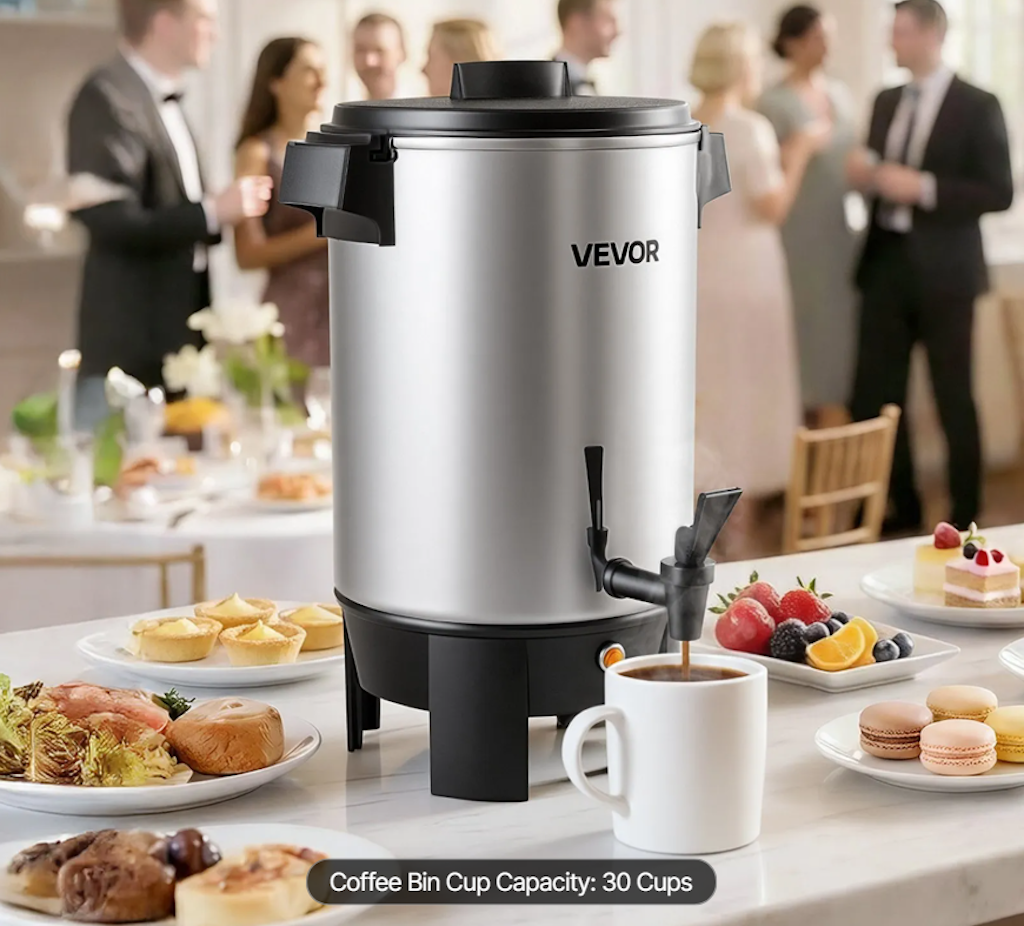
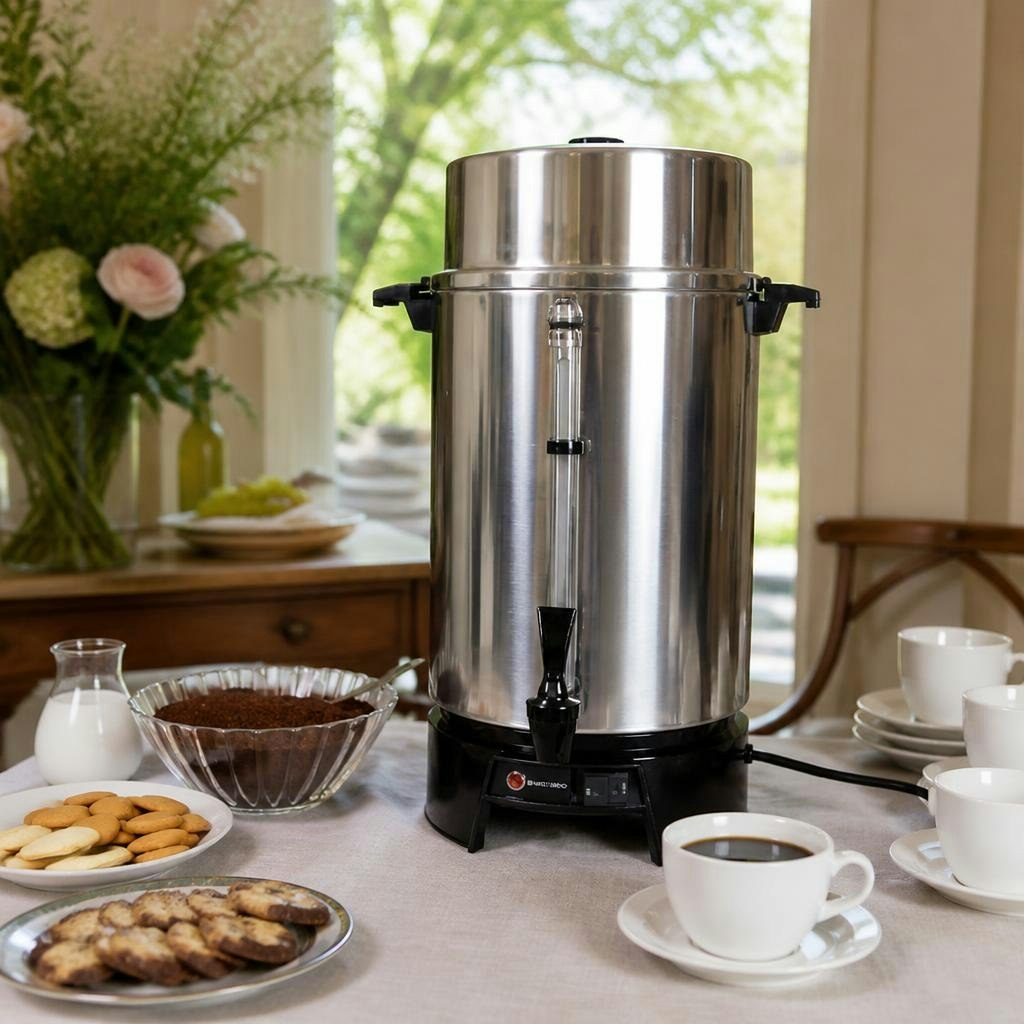
Cody lists a 30-cup electric percolator and a 100-cup electric percolator. Confirm the supplied model, minimum batch, maximum fill and electrical requirements. The catalogue does not identify a manufacturer, so instructions for another similarly sized urn are examples rather than a substitute for the instructions accompanying your rental.
Work backwards from the first serving time. Include positioning, filling, measuring coffee, brewing and a taste check. Some manufacturer manuals allow roughly a minute per rated cup, but this is not a verified timing for Cody’s units. Ask for the timing of your actual machine and leave a buffer. A large batch started as guests arrive will not solve an immediate queue.
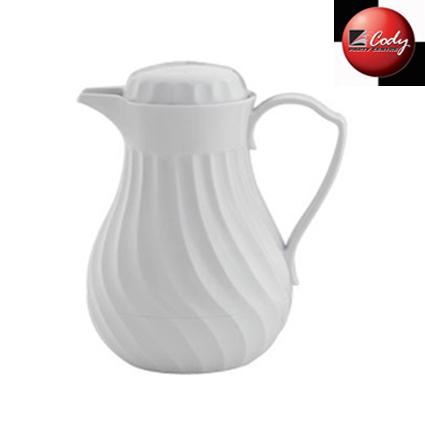
A white insulated coffee server may provide another pouring point once capacity and suitability are confirmed. It is a serving vessel, not a brewer. If using separate regular coffee, decaf and hot-water equipment, label each before filling. Plan sufficient finished coffee for the rush rather than relying on a second batch to finish just in time.
Choose cups that suit the way guests will drink
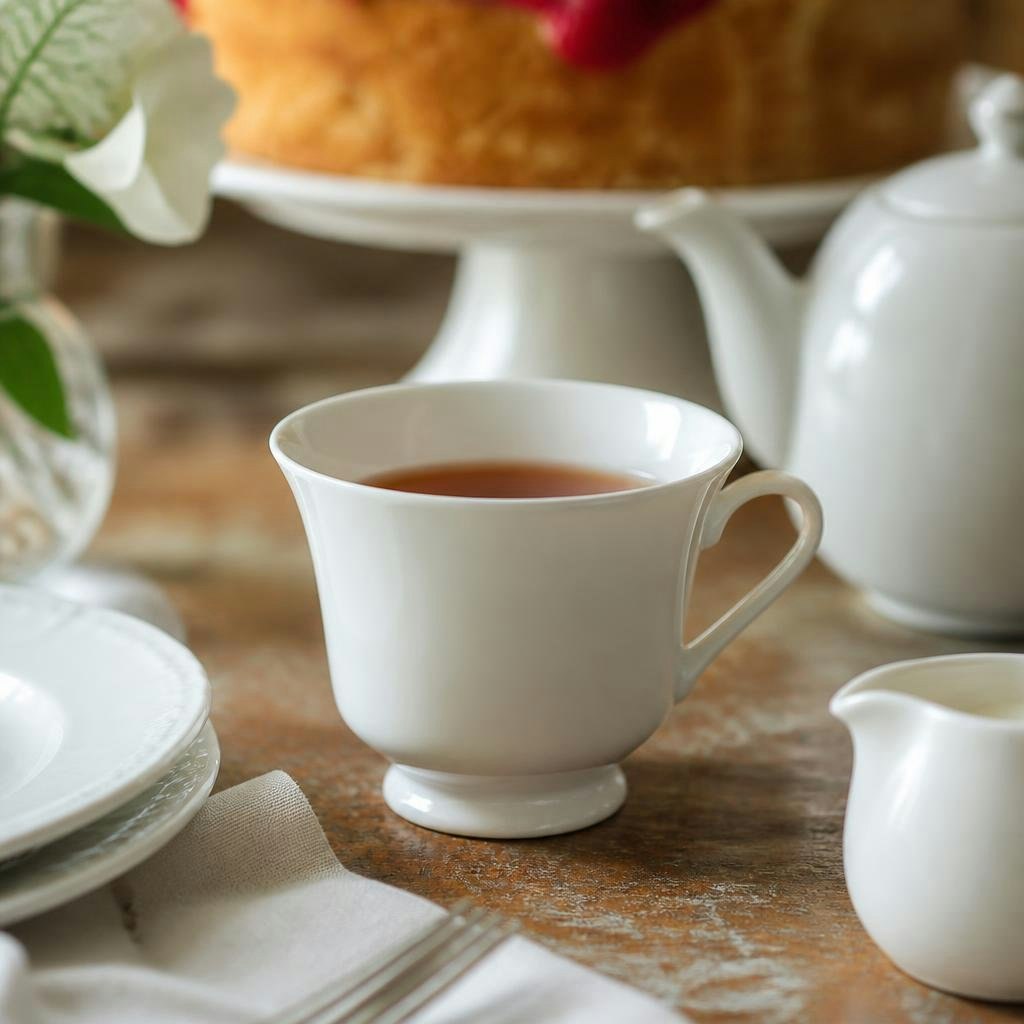
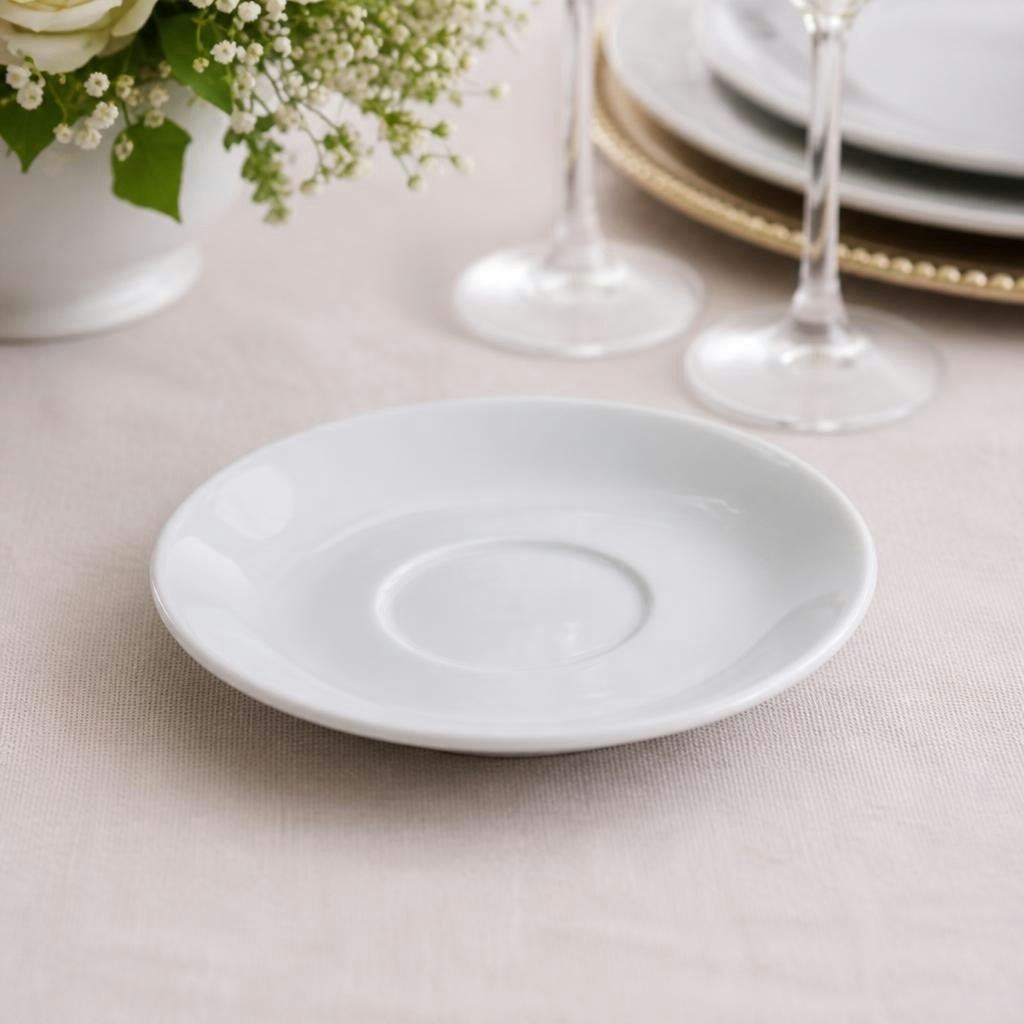
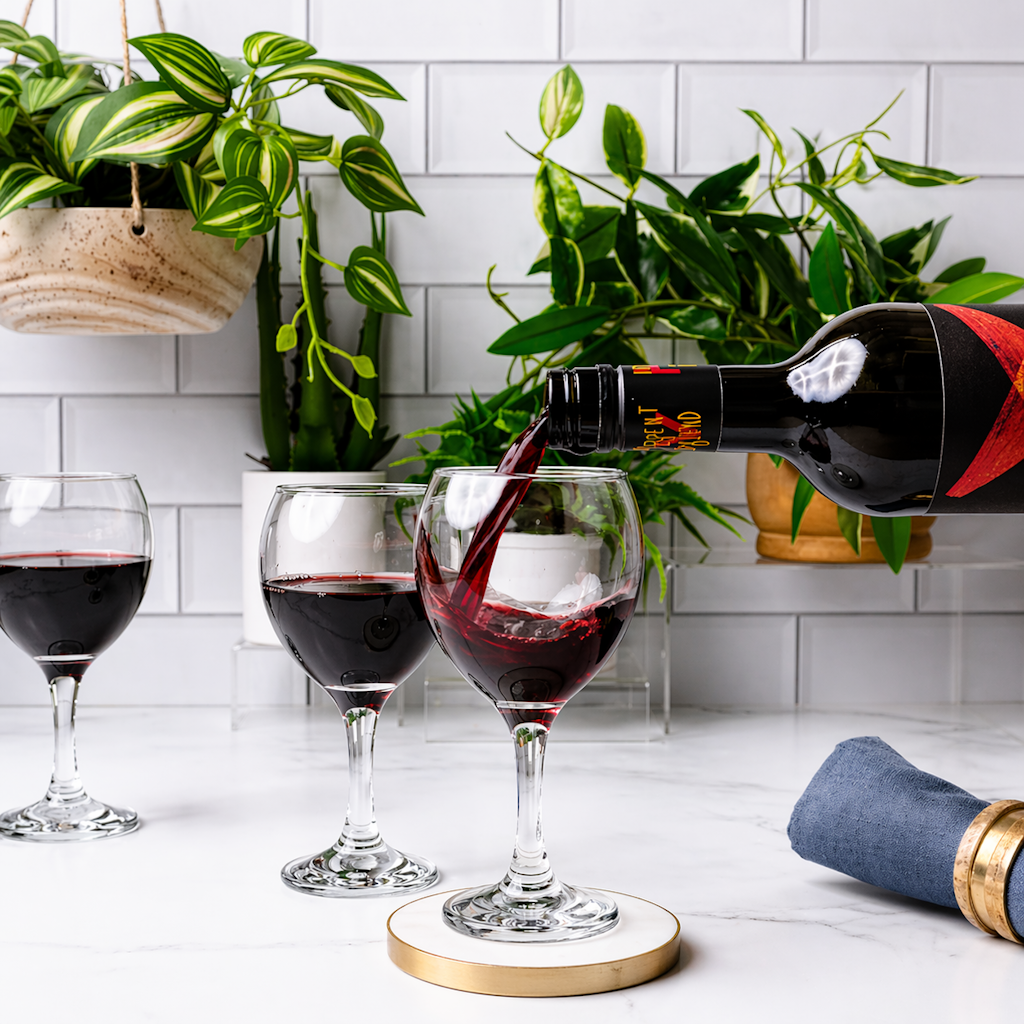
Cup selection affects both appearance and drink volume. A seated reception may suit Sabina cups with matching saucers, while a casual gathering may call for mugs. Check the listed size of the specific item rather than borrowing a measurement from a photograph. A cup is rarely filled to its rim during service, so use a sensible pouring level when calculating the beverage volume.
Cup quantity and drink quantity are different calculations. A guest may keep one cup for a second serving, or leave it on a tray and take a fresh one later. If used cups cannot be washed and returned to service during the event, count each new service period as a potential need for another clean cup. Add a clearly identified allowance for replacements rather than hiding it in the drink estimate.
For a seventy-person meeting, you might initially allocate seventy cups for arrival and seventy for the break, then revise that plan if guests will reliably keep their cups. Round to the ordering increments shown in the catalogue. If cups or saucers are supplied by the dozen, order complete dozens and record those quantities separately so the two counts match.
Design a station people can use comfortably
Build the station in the order a guest uses it: cup, drink, milk or alternative, sweetener, stirrer, then a place to step aside. This arrangement prevents someone choosing tea from blocking the coffee spout while they look for a spoon. Put the water and coffee labels where they can be read before the guest reaches the front. Guests should not need to lift an urn or lean across a hot appliance to identify its contents.
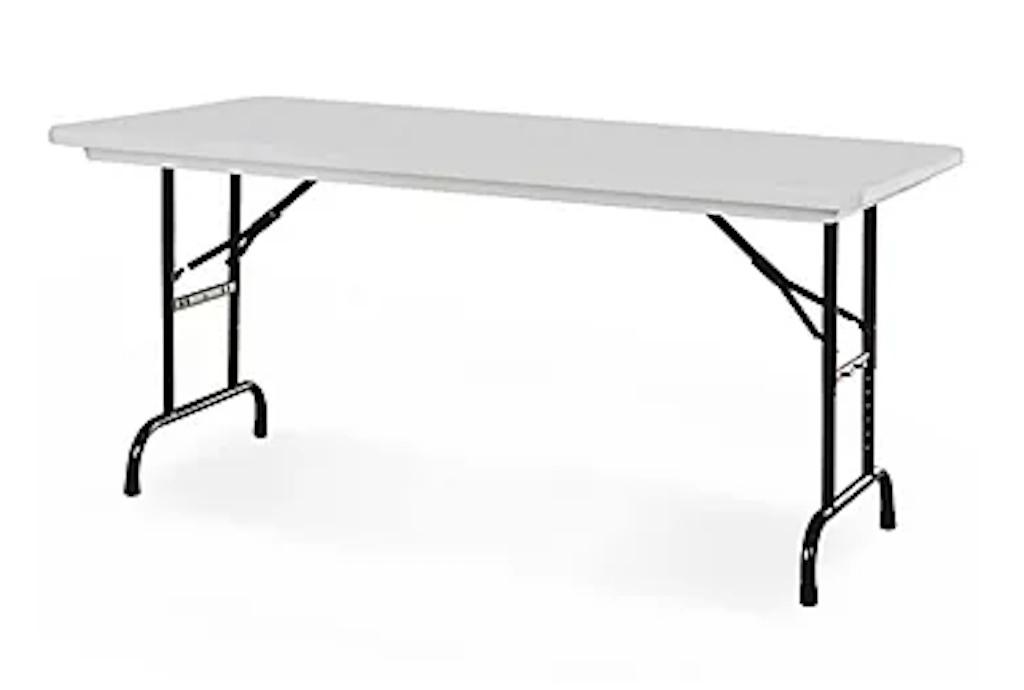
A six-foot rectangular rental table can provide a useful service surface, subject to confirming its load suitability for filled equipment. Test the arrangement with the actual footprints of the appliances and supplies. Keep vessels away from edges and avoid cloth that hangs into a working area or can be pulled by a child. A crowded station is not improved by squeezing another heavy urn onto the corner.
Include an accessible serving approach and arrange assistance where needed. Avoid putting the station at the end of a narrow corridor or in front of an exit. Leave a separate route for someone bringing fresh cups or removing used dishes, so replenishment does not require pushing through the guest queue.
Prepare and brew a balanced batch of coffee
Begin with a clean urn and fresh cold drinking water. Have the supplied instructions beside you. Follow its fill marks and minimum batch: a large percolator is not necessarily suitable for a tiny pot. Position the appliance on a stable, dry, heat-resistant surface before filling. Confirm the venue circuit can support it; nearby sockets may share one circuit.
Choose coffee sold for electric percolators or the grind specified for the machine. Hamilton Beach’s commercial urn guidance recommends coarse grounds and warns that fine coffee can overflow the basket. Seat the pump tube and basket correctly, distribute the measured grounds evenly and secure the lid before starting. Never switch on an empty urn or remove the lid during brewing.
Use the actual model’s coffee chart as your starting recipe. Measure level quantities with the specified measuring cup, not the drinking cup. Do not substitute a universal espresso or pour-over ratio. For illustration only, West Bend’s 30-cup manual pairs its full batch with 1¾ standard measuring cups of ground coffee; that recipe applies to that model, not automatically to every 30-cup rental.
Record the coffee brand, grind, water level and measured amount for your trial batch. Taste a small cooled sample after the ready indicator confirms completion. If you want a stronger result, adjust the next batch modestly within the manufacturer’s directions and basket limit. Changing coffee amount, grind and water volume together makes it difficult to identify what improved the flavour.
Make labels and dietary choices easy to understand
Use plain labels for regular coffee, decaffeinated coffee, hot water and each milk alternative. Keep the original ingredient packaging available for anyone who needs to check it. “Non-dairy” does not automatically mean suitable for every allergy, and flavourings or toppings can introduce ingredients guests do not expect. Avoid promising an allergen-free station unless you can support that claim through your products and handling arrangements.
Position milk and alternatives so that their storage needs can be maintained. Health Canada advises keeping cold food at or below 4°C and hot food at or above 60°C. Use an appropriate cold-storage arrangement for perishable additions and replenish small quantities as needed. Do not leave a large carton on a warm table simply because it is convenient for refills.
Put sweetener and tea choices in a visible, tidy area, but keep excess stock elsewhere. A small selection is easier to manage than a display that covers the entire table. Have separate utensils where appropriate and replace any that fall or become contaminated. Assign a helper to answer ingredient questions rather than expecting guests to guess from the colour of a jug.
Use a separate urn for tea water
A percolator can provide hot water for tea when its manufacturer permits water-only use. Reserve a clean unit for water so tea does not taste of the previous coffee batch. Make tea in the guest’s cup or a suitable teapot using fresh tea bags or loose-leaf equipment. Do not add tea bags, milk, sugar or hot-chocolate powder to the urn unless the specific appliance instructions explicitly allow it.
The internal arrangement varies. West Bend’s small-urn manual requires the stem and clean empty basket while heating water; a Hamilton Beach urn manual instead specifies removing these parts. Ask which instructions match the rental supplied. This is why “remove the coffee basket” is not a safe universal step for every percolator.
Offer a clearly marked hot-water station beside a small selection of teas. Follow each tea packet’s steeping time and water-temperature recommendation; different teas need different treatment. An urn’s ready light does not certify a precise tea-brewing temperature. If a tea needs cooler water, use an appropriate measured preparation method outside the appliance rather than altering the urn.
Provide a place for used tea bags, spoons and packaging away from the spout. Guests need space to let their tea steep without blocking the next person. Keep milk and sweeteners separate and label caffeine-free choices accurately. For a seated event, a helper can supply water in suitable serving vessels after confirming their hot-liquid capacity and handling requirements.
Keep coffee tasting fresh and troubleshoot the next batch
The best event coffee is a repeatable recipe served promptly. Schedule brewing around arrival and planned breaks instead of making everything at dawn for an afternoon gathering. For two separate rushes, compare fresh batches with the practical time needed to empty, cool, prepare and brew again. A second appliance may suit the timetable better, provided the venue has the electrical capacity.
If coffee tastes weak, first check the measurement and water level recorded for that batch. Confirm that the selected grind suits a percolator and that the cycle finished before serving. Hamilton Beach identifies an incorrectly seated pump tube as one reason an urn may not perk properly. Do not open or reassemble hot operating equipment; stop and follow the supplied troubleshooting procedure.
If the flavour is bitter, consider how long the coffee has been held and whether the appliance was thoroughly cleaned. Hamilton Beach notes that retained coffee oils can cause bitterness. Some manuals direct removal of the spent basket after brewing, using appropriate protection because parts are hot. Follow the supplied model’s instructions and let the designated operator handle this, away from guests.
Grounds in a cup are a reason to check the grind, basket assembly and filling technique before the next batch. Avoid adding an improvised paper filter: some urn baskets are designed to work without one, and restrictions can affect flow. Never pour fresh water onto an existing batch and expect it to become a properly brewed replacement. Prepare the next batch through the complete approved process.
Give one helper responsibility for flavour and stock. They can taste a cooled sample, check the remaining clean cups and plan the next service period. Write a brief handover: regular coffee ready, tea water ready, milk refrigerated, next break at ten-thirty. This prevents another volunteer from unknowingly changing your measured recipe halfway through the event.
Close the station and pack without a rush
Choose a final serving time and tell the event team so equipment is not unplugged while guests still expect drinks. Leave time for the supplied cooling and cleaning procedure before handling or transporting appliances. Do not place hot, wet equipment inside packing materials or pour waste where it can harm people or property. Confirm the return condition expected for the equipment you rent, because it may differ from the arrangements for cups and saucers.
Set aside a stable collection area for used dishes. Keep cups, saucers and small parts organised in their appropriate containers, and count them before loading. Do not pack loose spoons inside an urn where they may be missed. Keep electrical cords with the correct appliance and avoid forcing lids or taps against other items in the vehicle.
When requesting your rental, send the guest count, service schedule, approximate serving size and venue power information together. Add the cups, saucers and table you actually need. Cody can then review the requested items and availability with a clear picture of the service you want to provide, rather than trying to infer it from a single equipment name.
Further reading & sources
Check current instructions and requirements for your event and the equipment supplied.