Two tent systems, two planning conversations
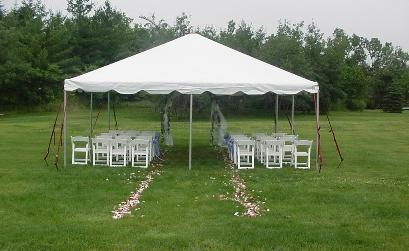
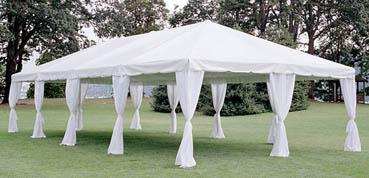
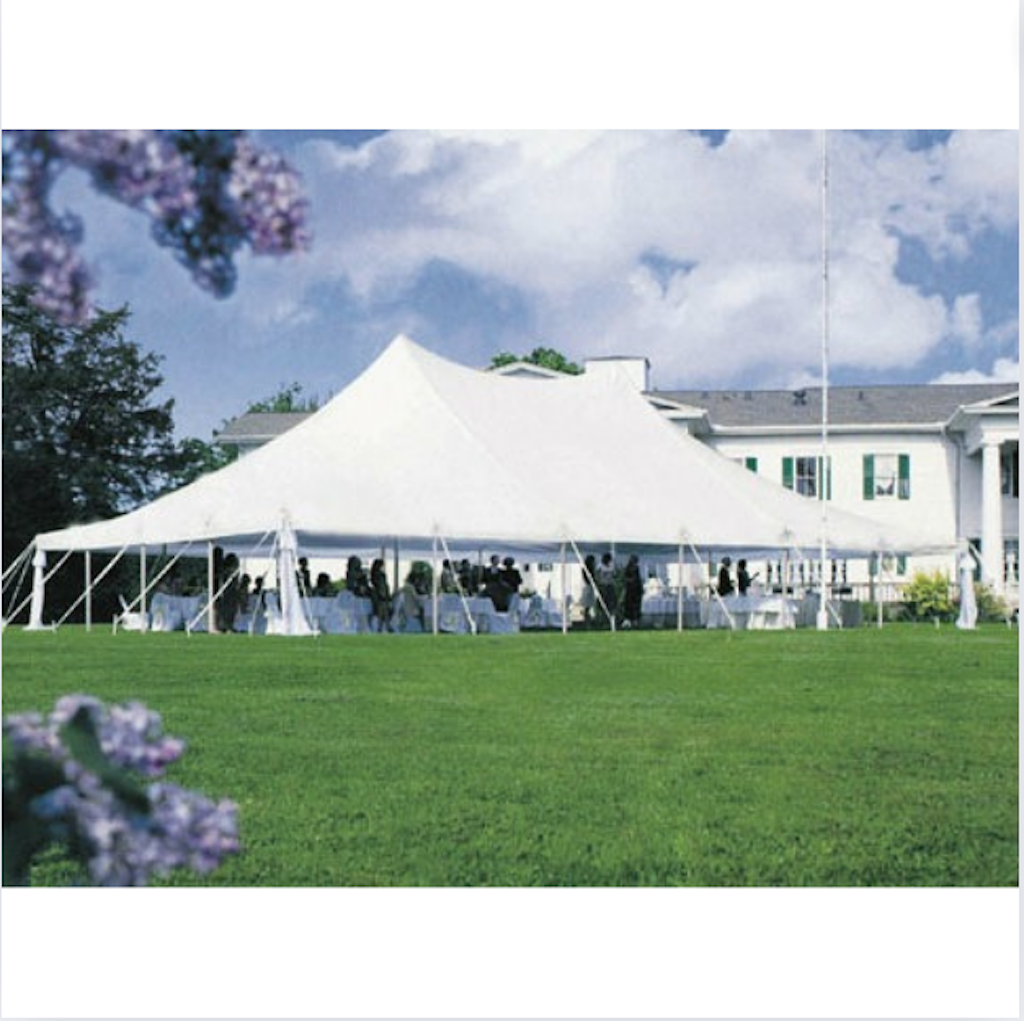
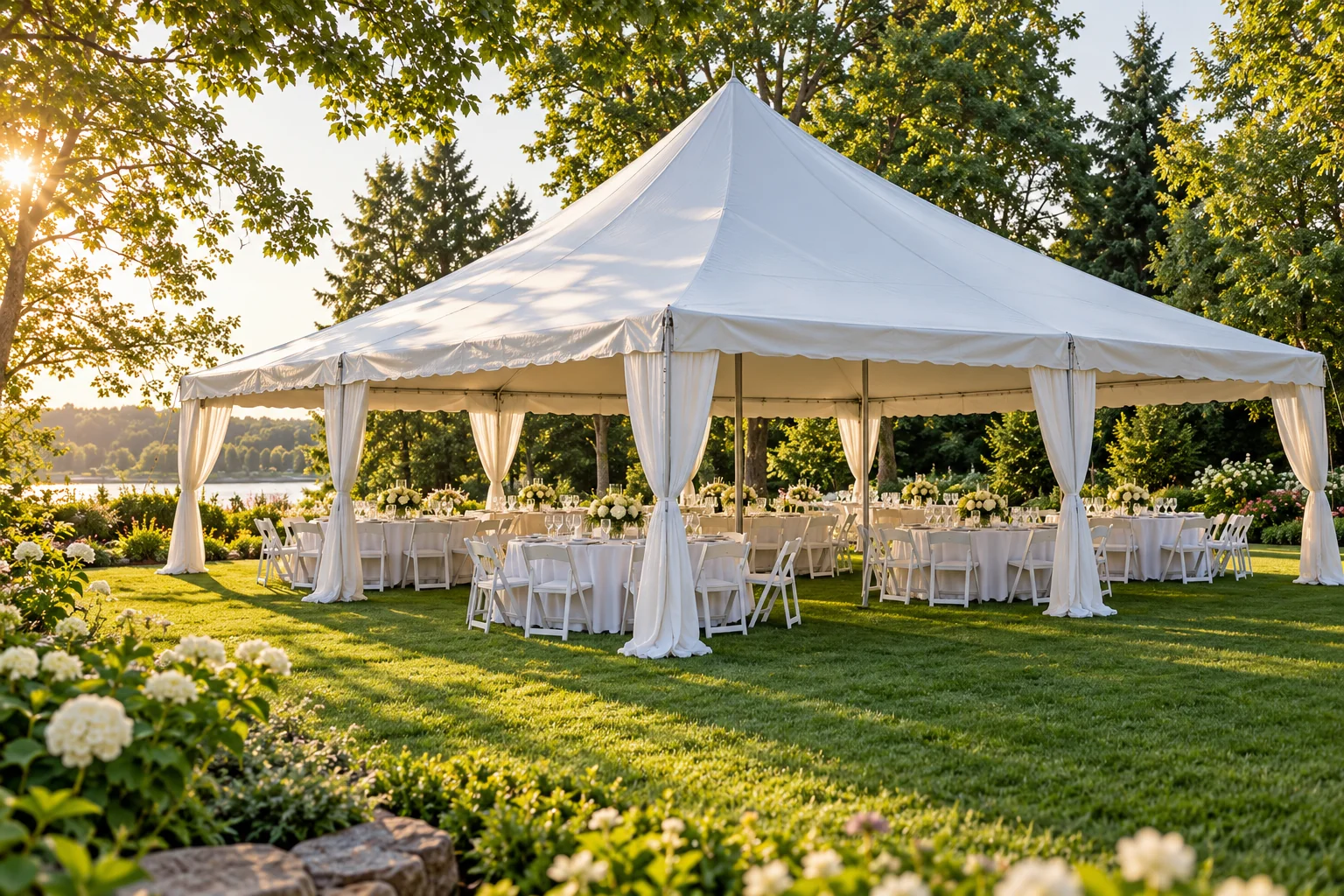
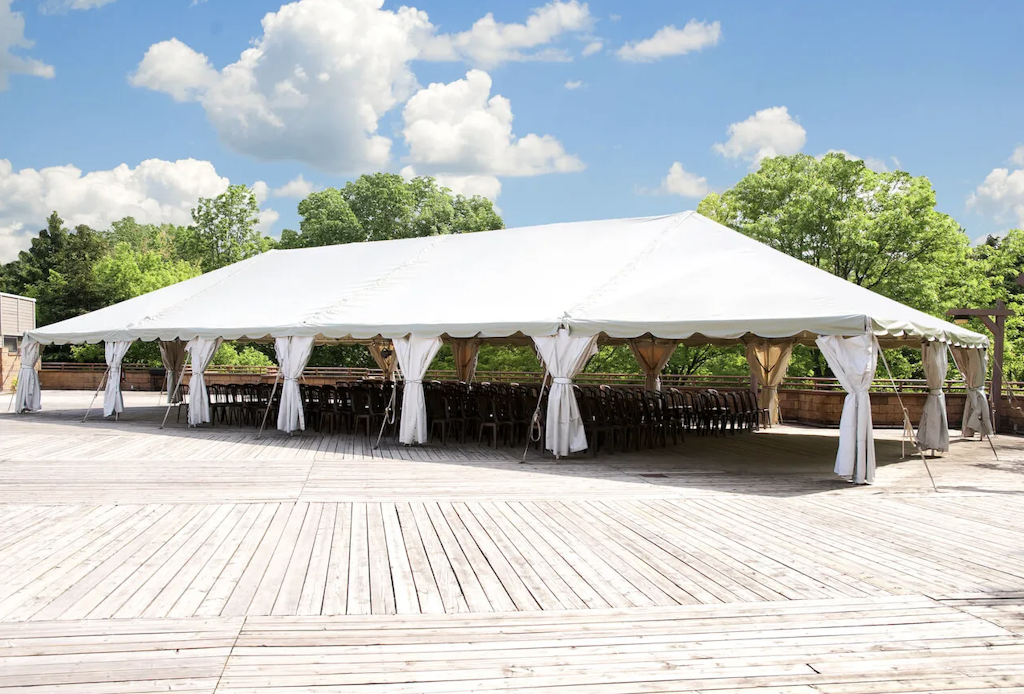
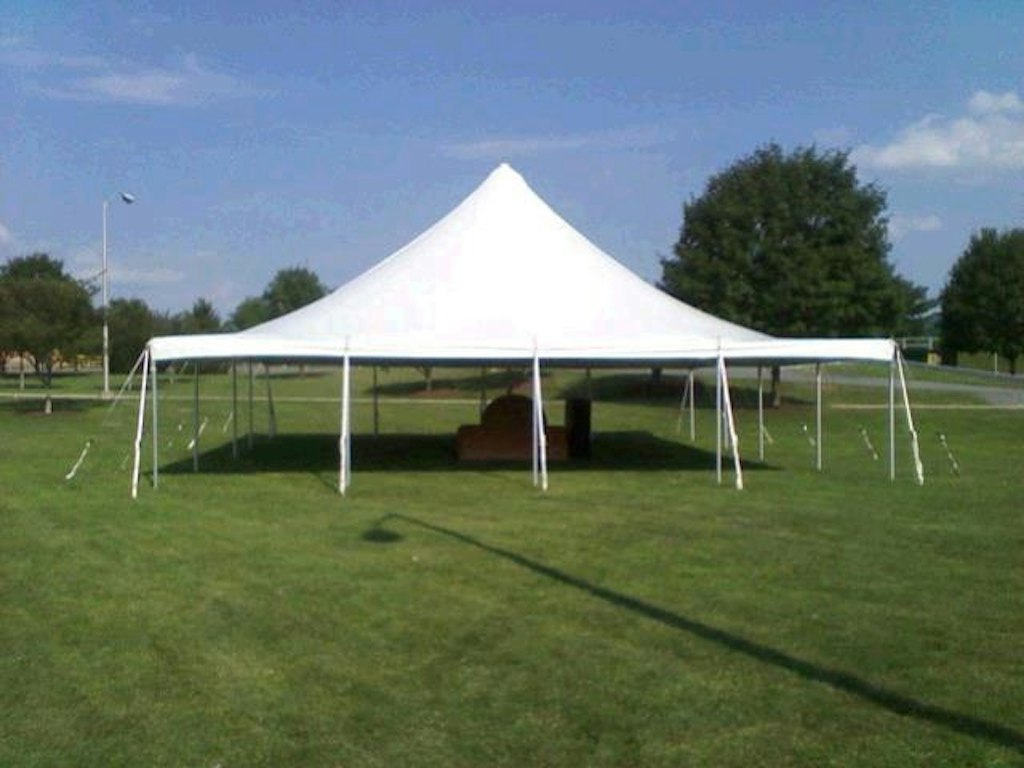
Frame and pole tents can both create an inviting setting for an outdoor celebration, but they carry their roofs differently. In broad terms, a frame tent uses a structural framework to support its fabric, while a traditional pole tent uses tensioned fabric with supporting poles. Exact designs vary. Treat these labels as the beginning of a conversation about a particular model, rather than a complete specification.
For a renter, the useful question is not which type is universally better. It is which available structure works with the property, the guest layout and the activities planned. A beautiful image of a wedding tent may show a different size, anchoring arrangement or floor from the equipment proposed for your event. Ask what the actual quote includes and how that equipment will be arranged on your site.
Cody Party’s catalogue lists installed tents by size. A listing such as Tent 20 x 20 - Installed does not, by its name alone, tell you every construction detail. Confirm the tent system with the team before planning around a completely open interior, a particular roofline or a specific support position. That simple conversation can prevent a seating plan from being built around a structure that is not the one being supplied.
What a frame tent can mean for the interior
A conventional frame design can provide an interior without the centre poles found in many traditional pole tents. This can be useful where a straight aisle, presentation area or flexible furniture arrangement matters. It does not mean that all frame tents are identical, that nothing crosses overhead, or that every part of the covered footprint is available for furniture. Confirm the layout of the specific system.
An open central area can make it easier to arrange a small reception around a focal point. For example, a presentation with a screen at one end may benefit from uninterrupted sightlines. A dining plan with several Table Round - 60" Wide X 30" High may also be easier to adjust when the centre of the room is clear. Still, chairs, exits and serving routes need space of their own.
Ask the installer for the useful interior dimensions and any restrictions on attachments. A structural member is not automatically an approved fixing point for lights, signs or decorative fabric. Give the team the decoration plan before installation, including anything suspended. If a decorator or audiovisual supplier is involved, let the professionals coordinate the load and fixing questions directly rather than asking a volunteer to improvise once the tent is up.
What a pole tent can mean for the interior
Traditional pole tents often have interior supports, and their roof shape can be part of their visual appeal. Those supports need to appear on the floor plan from the beginning. A centre pole placed on an accurate drawing is much easier to work around than one discovered after the tables have been assigned. Ask for support locations for the actual size and model proposed.
Rather than treating a support as an inconvenience to hide, arrange the event around it. Dining groups may fit on either side, while an aisle follows a different line. Keep views of speakers and important activities in mind. A support between two tables may be unobtrusive; the same support directly between a guest and a screen can change that guest’s experience.
Do not attach décor, move supports or alter tensioning to make a layout fit. The structure comes first. If the plan depends on a completely clear central zone, explain that requirement before selecting the tent. A larger pole tent is not automatically the answer to every obstruction, just as a frame tent is not automatically the best value for every event. The right comparison includes usable layout, site suitability and the full rental arrangement.
Anchoring matters for both styles
A frame tent still needs the anchoring specified for its system and site. The presence of a rigid framework does not make it safe to leave unanchored. Likewise, a pole tent’s support and tensioning arrangement must be installed as designed. Neither type should be judged by the number of visible ropes in a promotional photograph.
Describe the proposed surface accurately: lawn, gravel, asphalt, concrete, paving stones or another material. Explain any restrictions from the property owner, including areas where penetration is not permitted. The installer decides whether an acceptable anchoring solution is possible. Ballast is not simply a decorative weight added as an afterthought, and a barrel visible at one event does not establish the right arrangement for another.
Keep the anchoring zone on your event plan. Guests, parked vehicles, vendor booths and deliveries cannot be allocated the same space without review. Ask how anchors will affect access around the perimeter and how the installation area should remain clear. Where ground penetration is proposed, coordinate utility locates before work begins. Make sure private underground services are discussed too. A property owner’s recollection of where a line runs is not a substitute for the required locate process.
Compare the complete footprint outside the roof
The advertised tent dimensions usually describe the covered footprint, not the full area needed for installation. A Tent 20 x 40 - Installed is a useful twenty-by-forty-foot catalogue option to discuss, but you must also ask how much surrounding space its proposed installation requires. The answer depends on the system, anchors, access and site constraints. Do not apply one universal extra-distance rule to every tent.
Start with a site sketch showing the building, property edges, fences and proposed tent. Add fixed obstacles such as trees, sheds, raised garden beds and steps. Include routes that must stay open. If you have a narrow garden, photograph the entire area rather than cropping the image to the lawn where you hope the roof will sit.
A frame option may be considered for a site where an open interior is desirable, but that does not automatically resolve a tight perimeter. A pole option may suit an open setting, but it still needs a suitable surface and approved installation arrangement. Ask the team to compare feasible options for the property, not just list prices. Site limitations are easier to address before the seating chart, catering plan and decorations depend on a particular footprint.
Think about the atmosphere without losing function
Roofline, sidewall style and table arrangement all influence the atmosphere. A tent with a dramatic peak can feel different from one with a simpler profile. However, photographs often combine the tent with lighting, flooring, flowers and furniture that are separate parts of the event. Identify which elements you actually like before requesting the same look.
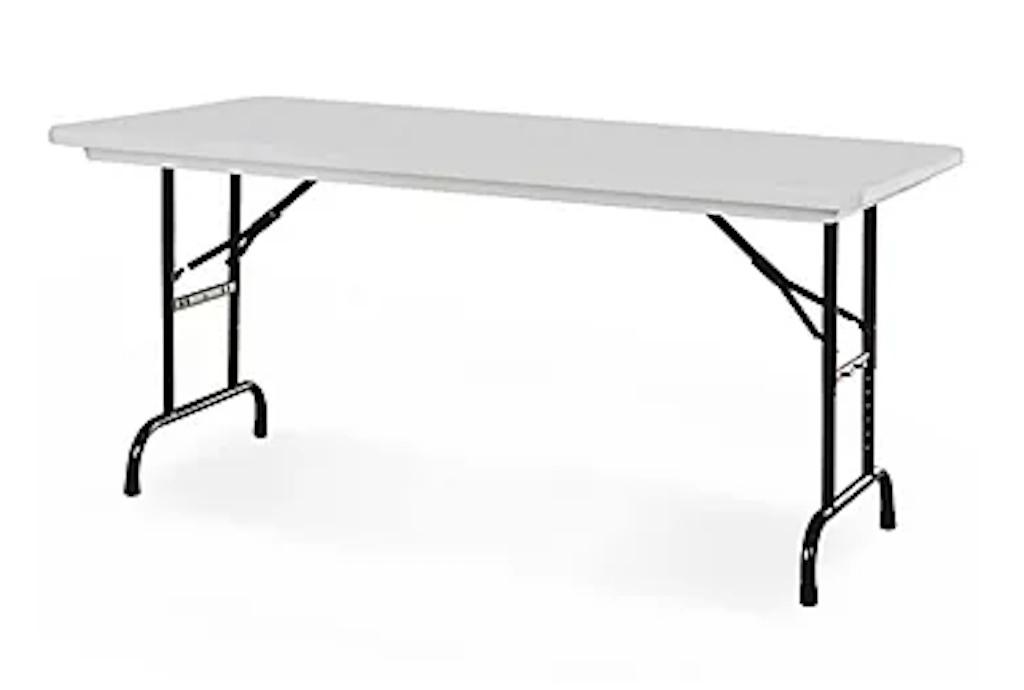
For a relaxed family dinner, a tidy layout of Table Rectangular - 6' Long X 30" Wide X 30" High and comfortable circulation may matter more than the roof shape. For a formal event, the sightline from the entrance and the position of the principal table may deserve more attention. Decide what guests should see first, then ask whether the tent layout can support that view.
Look at the space from seated height as well as standing height. Supports, wall panels and equipment may feel different once guests are at their tables. Keep a practical balance between decoration and movement. Tall arrangements can obscure conversation, while extra furniture can make a spacious tent feel crowded. Share inspiration photos as a visual brief, but ask the rental team to distinguish the structure from the styling. That keeps the quote tied to items and services that can actually be supplied.
Match the structure to the programme
A wedding ceremony, a corporate presentation and a buffet dinner place different demands on the same nominal area. A ceremony may need an uninterrupted view down an aisle. A presentation needs visibility from each row. A dinner needs routes for guests and service. Start with the activity that is least flexible, then arrange the remaining functions around it.
Consider a reception that includes both dinner and dancing. If the dance area must stay clear throughout the meal, show that on the first drawing. If tables will move, identify a safe storage position and the people who will move them. Do not assume supports or anchors can be shifted for the second phase of the evening.
For a larger event, an option such as Tent 40 x 60 - Installed is a starting point for a discussion, not a capacity guarantee. Ask for a layout review that includes the exact structure, furniture and service zones. If several suppliers are involved, give everyone the same final plan. The caterer, decorator and entertainment provider should not arrive with different assumptions about where the supports, entrances or equipment areas will be.
Keep permits and weather separate from style preference
Permit and safety requirements do not disappear because a tent is temporary or because you prefer one construction style. The relevant details include size, arrangement, site and use. Use Ottawa’s current guidance and the installer’s documents for the proposed event. Confirm who is responsible for approvals and what information needs to be ready before installation.
Weather decisions also belong to the event plan. Ask for the supplied equipment’s operating restrictions and the procedure if conditions deteriorate. Do not choose a frame or pole tent on the assumption that its name promises protection from any storm. A tent is not a lightning shelter; identify a suitable safe location and a plan to move people there when needed.
Adding walls, decorative fabric or equipment can change the conditions inside and around the structure. Ask before making modifications. Avoid general internet claims that one style is always suitable for winter or stronger in all winds. Those questions require the actual model, engineering information and site arrangement. Clear answers about the equipment being installed are far more useful than a broad comparison made without knowing your property or event.
Read the quote as an event plan
Compare quotes line by line. Record the size, structure type if specified, installation and removal arrangements, confirmed accessories and any site conditions. Ask about items shown in photographs that are not listed. A floor, wall, lighting system or decorative pole treatment should not be assumed included merely because it appears in an inspiration image.
Check the timing against your venue access. The event may start on Saturday, but installation and removal need their own agreed windows. Other suppliers also need access, and the space should be ready before the tent crew arrives. Ask how the schedule will be coordinated rather than making plans around an unconfirmed arrival time.
Keep the decision focused on the complete result. A slightly different tent layout may reduce furniture movement or simplify catering, while another may be the only feasible option for the site. Write down why the chosen arrangement works. If an important detail changes, such as a new wall request or a moved buffet, return to that reasoning and confirm the effect with the team. A quote is most useful when it accurately describes the event you intend to host.
Questions to bring to Cody Party
Before requesting your installed tent, gather the event date, address, peak guest count and site photographs. Explain whether you need seated dining, a ceremony, a presentation or several activities. Share anything that depends on an open interior, including a screen, dance area or long central aisle. Ask which available tent system can meet those needs on the actual property.
Useful questions include: Where are the supports? What is the complete installation footprint? What surface and anchoring arrangement are acceptable? Which accessories are included? What approvals and utility information are needed? What are the weather procedures? These questions produce a more practical answer than asking which tent is simply “best”.
Browse the installed sizes in the catalogue and include a likely option in your rental request, but leave room for the team’s recommendation. Your first choice may change after the site and furniture layout are reviewed. The goal is not to become a tent engineer. It is to explain the experience you want clearly enough that the appropriate structure, installation and rental items can be confirmed together. That is how a frame-versus-pole comparison becomes a useful event decision rather than a debate about photographs.
Further reading & sources
Check current instructions and requirements for your event and the equipment supplied.