Start with a drink plan and service timeline
Before choosing glassware, list the drinks you will offer and the order in which guests will receive them. A welcome drink, water at dinner, wine with the meal, a toast and a later bar service may overlap. The glass someone carries on arrival might still be on a cocktail table when they sit down to dinner. Counting only one glass per person will not describe that evening accurately.
Write a short timeline with columns for service, drink, glass type and expected users. Keep non-alcoholic drinks visible in the plan rather than treating them as an afterthought. Children, designated drivers and guests who do not drink alcohol still need suitable glasses. A water station can use a different shape from a wine service, but it still draws from your rental quantities.
Ask your bartender or caterer which glasses they prefer for the actual menu. A specialty cocktail may need a particular vessel, while a simple bar can often operate with fewer styles. The objective is not to order a different glass for every beverage. It is to offer enough clean, appropriate glasses without creating a sorting problem for the people serving them.
Separate seated water from circulating drinks
A water glass placed at each dinner setting is a stable starting point because it remains assigned to a seat during the meal. If 84 people have dinner places, begin with 84 water glasses, then consider a small replacement reserve. Do not subtract guests who prefer wine: many people will want water alongside it. Include vendor dining places if they use the same service.
Circulating drinks are less predictable. Guests set glasses on ledges, leave them at the bar or move to another room. Your count needs to reflect that pattern rather than assuming everyone keeps track of one glass all evening. If water is available from a separate station during the reception, decide whether those glasses are additional to the ones already waiting on dinner tables.
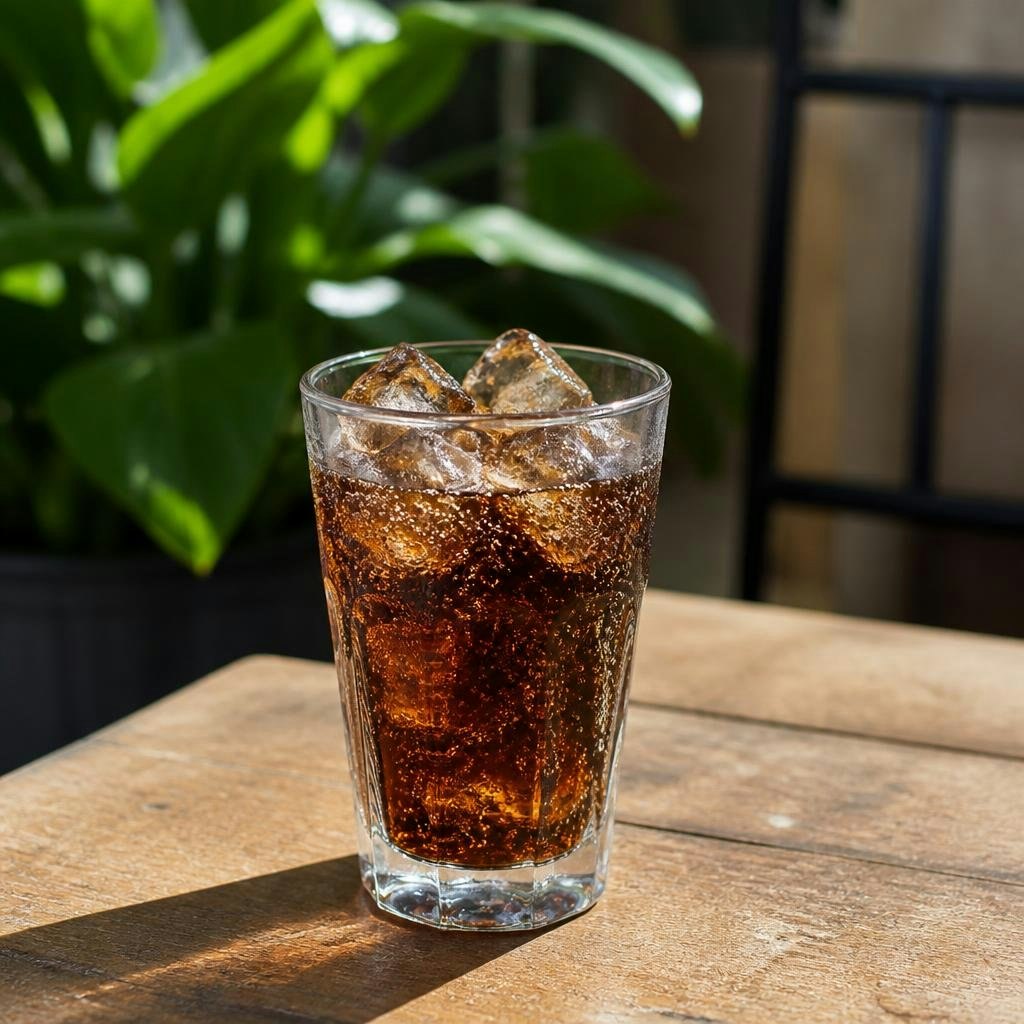
A Tumbler - Rocks Glass - 12 oz is one possible tumbler to review for a drink station, while the Juice Glass offers another catalogue option. Check the size and the way drinks will be poured before choosing. A glass's listed capacity is not a recommended serving amount. Ice, garnish and space below the rim all affect how it works in practice, so the serving team should confirm the fit.
Choose wine glassware around the service you will actually offer
A simple dinner can use one wine-glass style for the wines being served, provided the caterer or bartender agrees. More elaborate service may use separate glasses for different wines or replace glasses between courses. That choice affects both the appearance of the setting and the total rental count. Make the decision before calculating quantities, especially if there will be a tasting or paired menu.
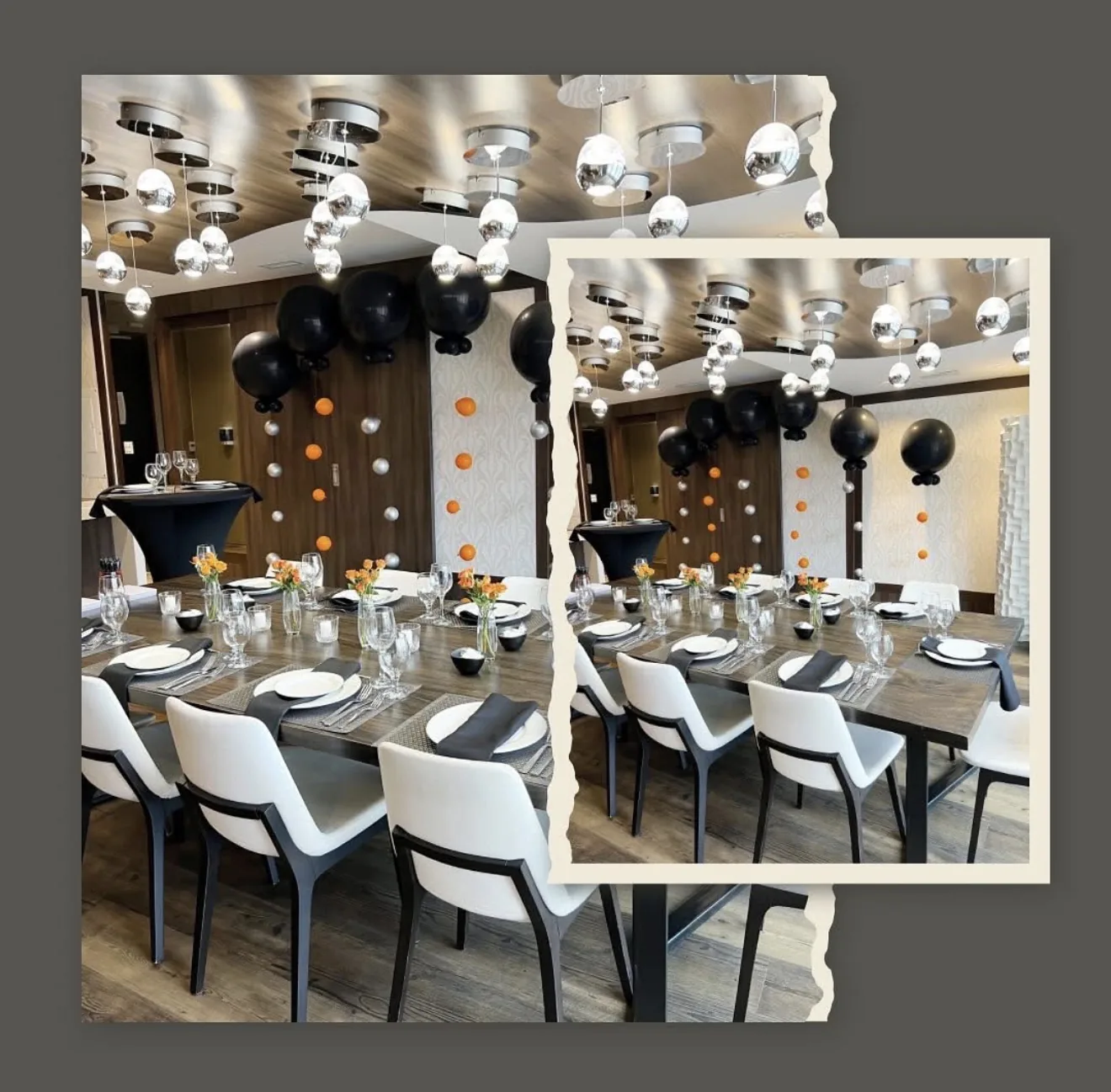
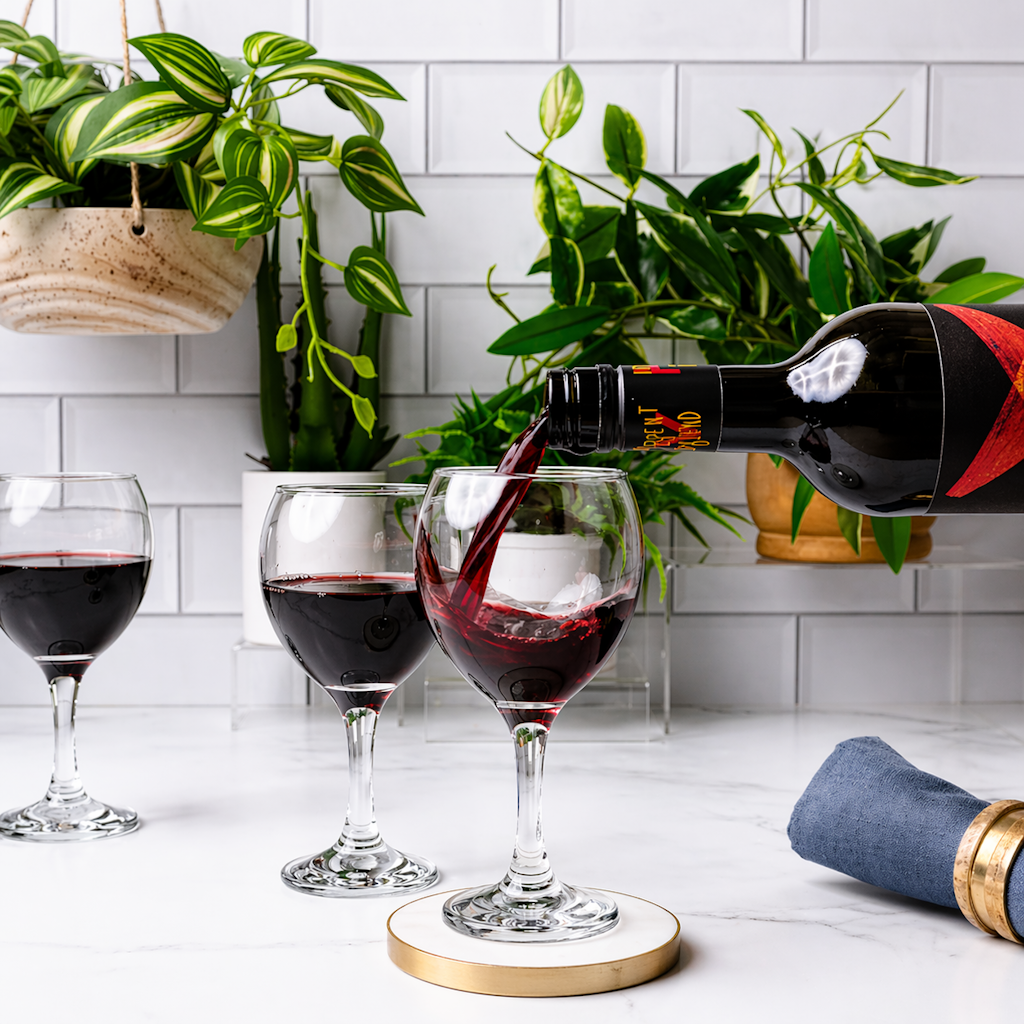
Cody Party's catalogue includes Wine Glass - 8oz and Stemless Wine Glass - 15oz. Compare the format as well as the appearance. Stemmed glasses and stemless glasses occupy the table differently, and a familiar shape may be easier for a casual event to handle. Neither format automatically solves the problem of limited space. Place the proposed glass beside a dinner plate and napkin to see how the complete setting feels.
If wine is poured only for guests who request it, estimate users with the caterer rather than placing multiple glasses at every seat by default. Keep a protected reserve for changes of mind and replacements. If glasses are preset, count the actual number of settings. A written plan makes it clear whether your order supports a preset dinner service, an attended pour or a self-serve station.
Count toast glasses as a separate decision
A formal toast can need an additional glass even when guests already have wine or water. Decide whether everyone will receive the same toast vessel, including guests choosing a non-alcoholic drink. If so, start with the number participating in the toast. A Champagne Flute - 7oz is an option to review, but the final choice should suit the drink and the way the glasses will be distributed.
You can also plan a toast using whatever drink each guest already has. That is a hosting choice, not a rule of etiquette that must be followed either way. If you choose it, tell the service team so they do not expect a separate flute order. If you choose dedicated glasses, consider where they wait before the toast and how they will be cleared afterward.
For a toast involving 90 guests, a base count of 90 glasses plus six replacements gives 96. That example happens to work neatly in dozens. It does not predict how many bottles you need or how much anyone should drink. Beverage purchasing and responsible alcohol service are separate plans. Keep the glass count tied to participants and replacements, then let the caterer or licensed service provider determine the beverage arrangements.
Model bar glasses with explicit assumptions
There is no single reliable glasses-per-person number for every event. A two-hour reception with attentive collection is different from an all-evening party spread across a house and garden. Work with the bartender to estimate how many fresh glasses will be issued during each stage. Consider drink changes, abandoned glasses and whether any suitable washing process is available.
For illustration, suppose 60 guests use a bar and the team plans two fresh glasses per guest over the service. That is 120 uses. If you are not washing and returning glasses during the event, you need enough clean glasses to cover those uses, plus any chosen reserve. If some drinks come in their own containers, the glass requirement may be lower. If everyone changes between cocktail styles, it may be higher.
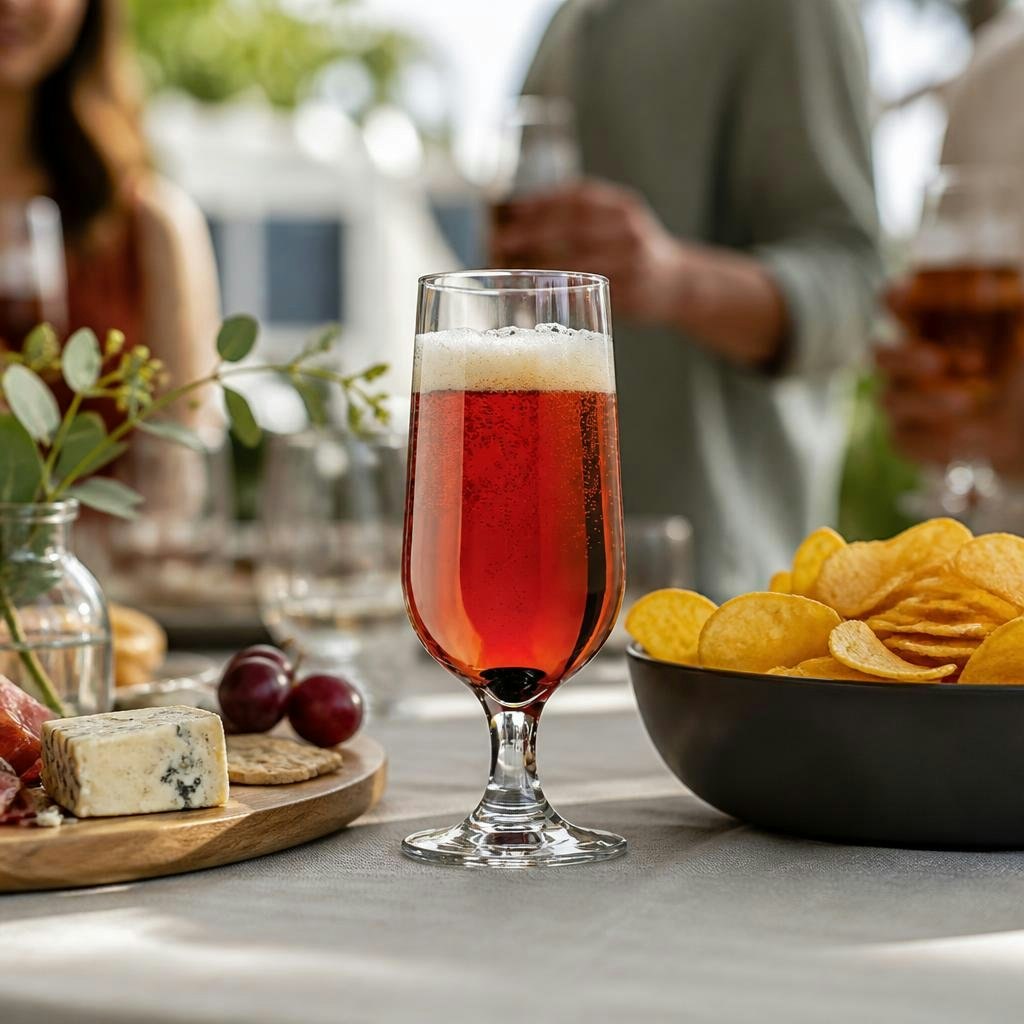
Keep this estimate separate from seated water and toast glasses. Otherwise the same glass can be counted as available in three places at once. The Beer/Softdrink Glass - 14oz may suit one part of your service, but ask the bartender about the exact drinks before committing to a large quantity. The best order supports the actual bar menu rather than an imagined full-service bar with every possible glass shape.
Work through a sample dinner and reception
Consider an illustrative event with 72 dinner guests and a reception beforehand. You plan water at every dinner setting, wine for 48 guests, a toast for all 72, and welcome drinks for 60. The four services require separate base counts unless your team deliberately combines them. That gives 72 water glasses, 48 wine glasses, 72 toast glasses and 60 welcome-drink glasses before reserves.
Now add a chosen six-piece reserve to each type. Water becomes 78, wine 54, toast 78 and welcome glasses 66. If the selected catalogue sections require dozen quantities, those figures become 84, 60, 84 and 72 respectively. The rounding already adds extra pieces. Review whether you still need every additional reserve, rather than layering another percentage onto the rounded totals.
This is a planning example, not a recommended package for every 72-person event. You might use the same style for water and welcome drinks, but the quantities still have to cover their overlapping use. You might skip dedicated toast glasses entirely. Put those decisions on paper, then have the service lead review them. The arithmetic is simple once the service assumptions are clear.
Understand what washing and turnaround really require
A plan to wash glasses during the event needs appropriate facilities, handling, drying space and enough staff. A kitchen sink is not automatically an event glasswashing system. Ask the venue and caterer what process is available and suitable. If no one has responsibility for it, do not reduce your order on the assumption that clean glasses will somehow keep coming back.
Even with an established washing setup, turnaround takes time. Glasses have to be collected from guests, separated from waste, processed, checked and returned to service. During a busy toast or meal transition, the bar may need a full clean supply before any used glasses are ready again. The wash cycle itself is only one part of that timeline.
For a public food event, confirm the permitted serviceware with Ottawa Public Health before planning reusable glasses. Temporary-vendor requirements can differ from those for a private catered event. For your rental calculation, the useful question is straightforward: how many clean glasses will be physically available at the busiest moment? A generous answer based on real handling capacity is better than a small order based on an unassigned washing task.
Plan the space behind the glass count
Glassware takes space before it reaches the table and after it is used. Ask how the selected items are packed and how much room their carriers need in your vehicle or receiving area. Keep a separate clean-glass staging area near the bar, protected from guest traffic and dirty returns. If every spare glass is stored in a different room, replacing a busy service point becomes unnecessary work.
Separate glass types clearly. Labels such as water, welcome drink, wine and toast are useful even when two types look similar. Brief helpers not to use the toast reserve for early bar service without checking. The person pouring drinks may not know that a particular stack was counted for a later moment in the evening.
Plan a dirty-glass return point that does not interrupt the clean supply. A discreet clearing area can keep glasses from gathering on dining tables and helps the team see which types are running low. Do not balance glasses in unsuitable stacks or pile them into mixed boxes. Use the provided packaging and handling directions, and assign someone to check all service areas before the order is packed for return.
Avoid the most common counting mistakes
The first mistake is treating the guest count as the glass count. That can work for a short, single-drink service, but it usually fails when reception drinks, dinner water and a toast overlap. The second is using a broad multiplier without writing down what it includes. If “three glasses per person” already covers water, adding a separate water count can create an unnecessary surplus.
Another mistake is counting only guests who drink alcohol. Water, juice and non-alcoholic cocktails need appropriate vessels too. A fourth is assuming every venue has suitable washing facilities available to your event. Confirm access and staffing instead of relying on the existence of a kitchen somewhere in the building.
Finally, do not confuse a glass's capacity with a serving recommendation or use the rental count as a beverage-purchasing formula. Glassware, beverage quantities and service responsibilities are related but different decisions. Keep each plan separate enough to review. When you share the rental list, include the event length and drink menu so Cody Party and your service team can identify an obvious mismatch before you collect the order.
Turn the plan into a clear rental request
Your final worksheet should name every glass type, its purpose, the base count, the reserve and the submitted quantity. Include the event dates and pickup or delivery preference. Where the catalogue instructs you to select by the dozen, follow that unit and ask the team to clarify any uncertainty. A line that says “84 water glasses, including reserve” is much clearer than “seven boxes,” unless the box quantity has been confirmed.
Review one complete table setting and one complete bar service before sending the request. Check that the glasses fit beside the dishes and that the bartender has the types needed for the drinks offered. Look for overlapping use: a glass waiting on a dinner table cannot also be available at the welcome station. Make sure any planned washing arrangement has a named owner.
After the event, compare what you used with what you ordered. Notes such as “toast glasses all used” or “welcome service needed fewer than expected” can improve the next event's plan. For this event, however, base the request on the actual menu, timing and service conditions. Cody Party can confirm product availability and your order details; the practical counts come from understanding how your guests will be served.
Further reading & sources
Check current instructions and requirements for your event and the equipment supplied.