Begin with the experience you want
Table shape influences more than the look of the room. It affects who can comfortably talk, how food is served, where people enter and leave their seats, and how the event feels from the doorway. Before choosing a shape, describe the main activity. Is it a family-style meal, a formal dinner, a workshop, a wedding reception or a casual gathering with food available throughout? A useful table plan supports that activity rather than simply copying a photograph.
Round tables naturally create smaller groups, while rectangular tables can make separate groups or longer communal arrangements. Either can look elegant or casual depending on the chairs, linens and place settings. There is no rule that weddings require rounds or that rectangular tables are only practical furniture. Start with the people and the room, then use styling to create the atmosphere you want.
Write down your priorities in order: comfortable seating, conversation, space for service, sightlines, styling and budget. If one choice is essential, such as keeping a large family together or preserving a clear view of a speaker, make that visible before comparing layouts. The best table shape is the one that works with your actual event, not the one that wins a general popularity contest.
What round tables do well
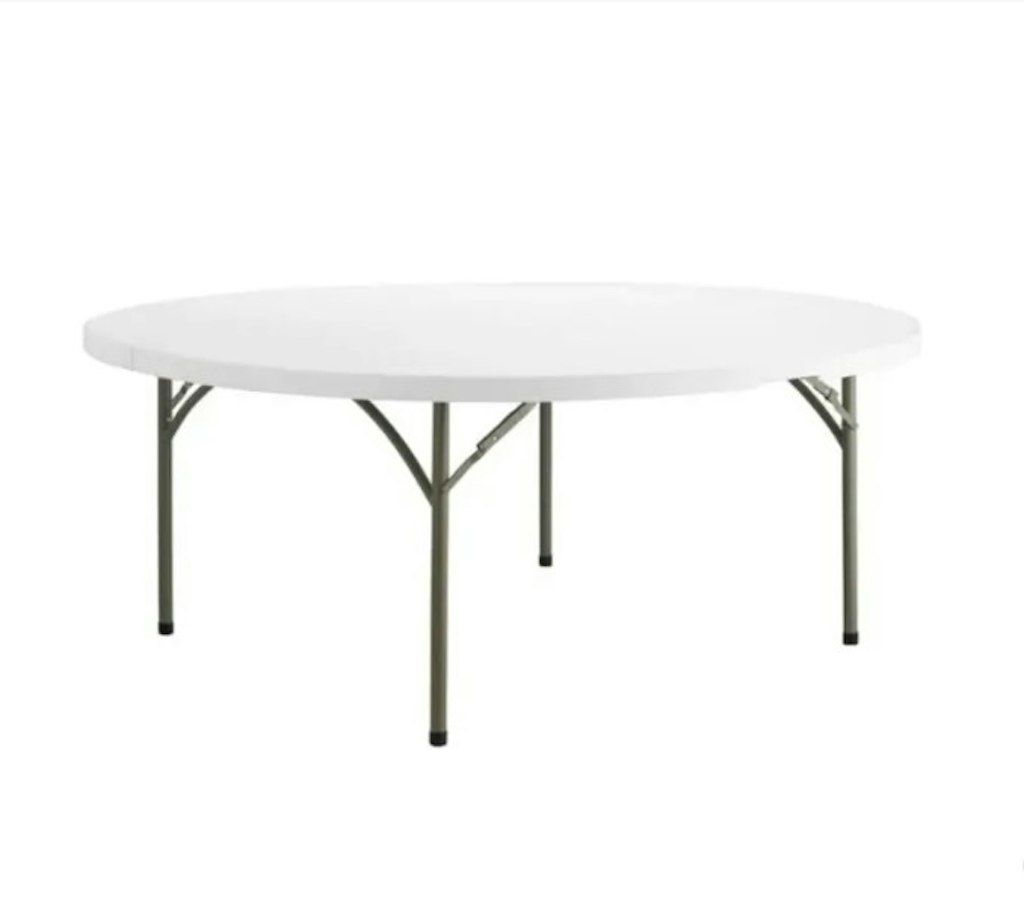
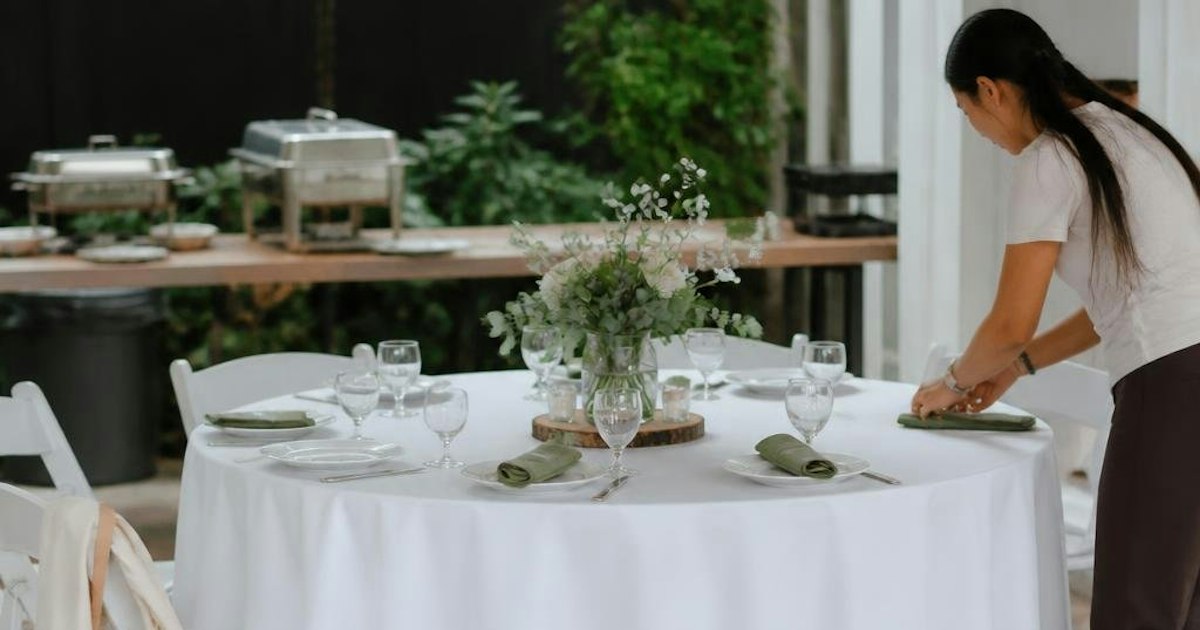
Round tables can give each group a clear shared centre and avoid a strong head-of-table position. For a dinner with several groups of friends or families, that can make seating assignments straightforward. A centrepiece, water service and shared items can be arranged in the middle, provided there is still room for the meal. The effect is often balanced when viewed from different sides of the room.
Cody’s guest-seating guide recommends eight people at a 60-inch round table and ten at a 72-inch round table as comfortable starting points. The Table Round - 60" Wide X 30" High and Table Round - 72" Wide X 30" High let you compare those two scales. A larger table gives more tabletop area, but people across it are also farther apart. Think about the size of the group and the noise level rather than choosing solely by the number of seats.
Rounds can be useful when different groups have different sizes, because an intentionally empty place does not necessarily disrupt the visual arrangement. However, the space between tables must still accommodate chairs and movement. A round tabletop does not eliminate corners from the overall floor plan; the room may still have walls, columns and doors that determine where tables can go. Test the whole arrangement before assuming rounds will fit simply because each table looks compact.
What rectangular tables do well
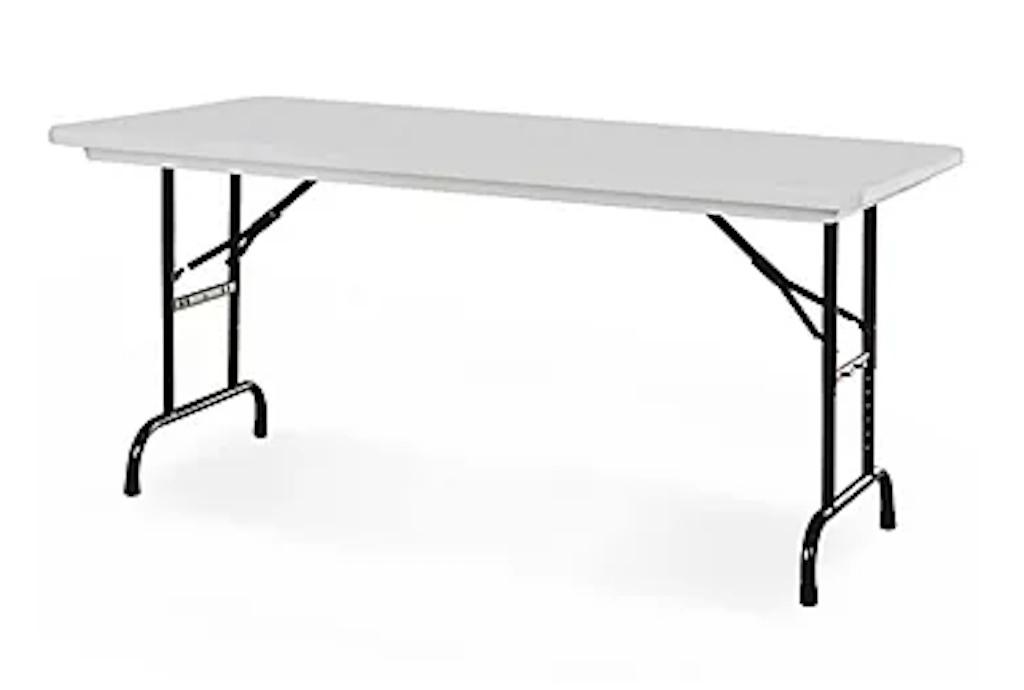
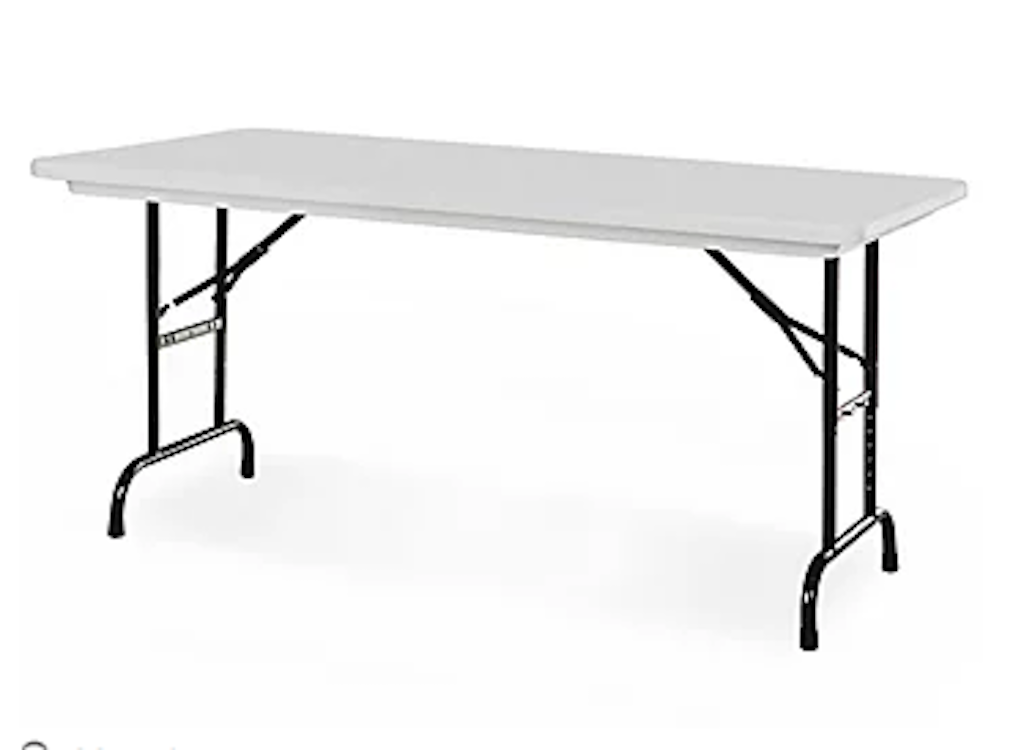
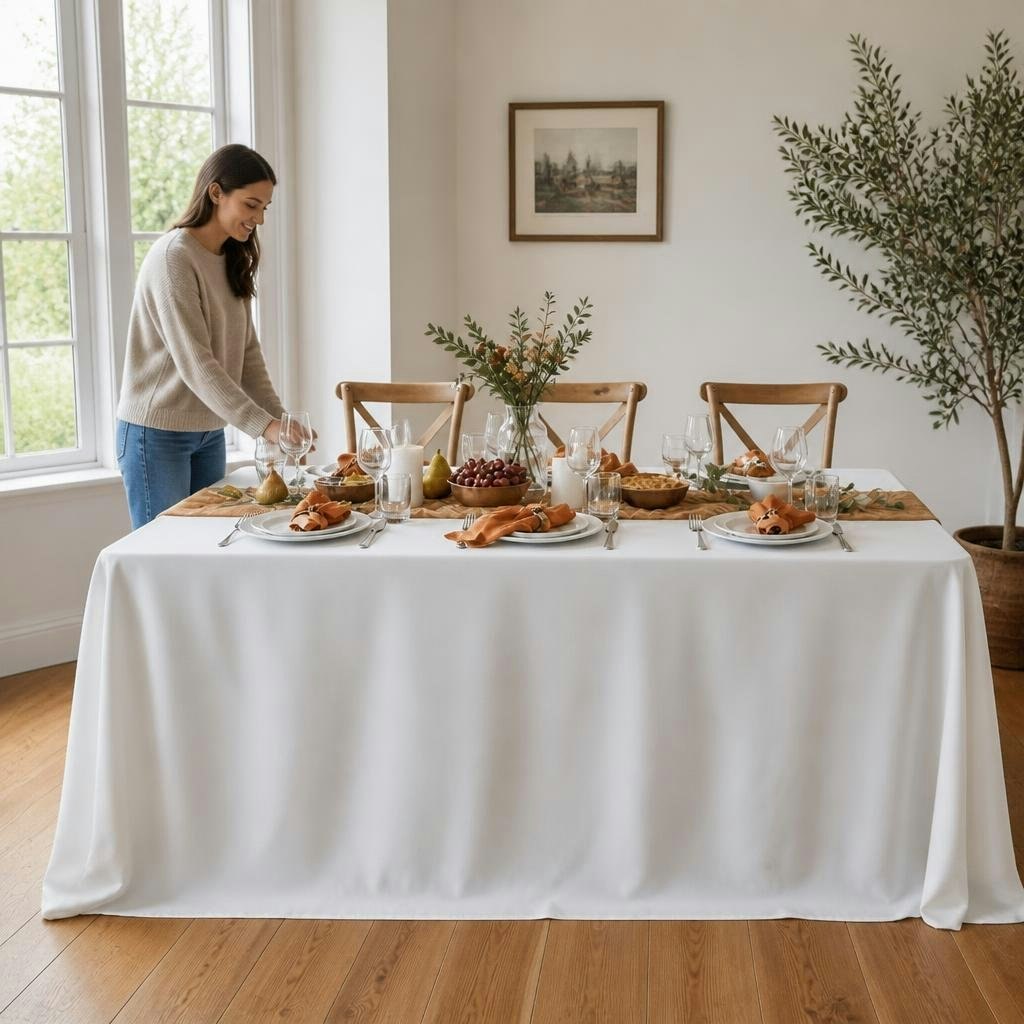
Rectangular tables can suit long rooms, shared dining rows and arrangements where people need to face a common direction. Separate tables create smaller groups, while joined tables can produce a banquet-style atmosphere. They are also useful for buffets, displays and service stations because the straight edge is easy to organize. For a meal, the important question is how many people sit along each side and whether the ends will be used.
The Table Rectangular - 6' Long X 30" Wide X 30" High provides a six-foot option, and Table Rectangular - 8' Long X 30" Wide X 30" High provides an eight-foot option. Compare their actual dimensions, not only their lengths. A narrow table can feel crowded when a meal includes several plates, glasses and shared serving dishes. If the event involves writing, crafts or equipment, each person’s working area may be more important than the number of dining places that could theoretically fit.
Rectangular tables can make a room feel connected, but long rows also create long routes around them. Someone seated in the middle should be able to leave without disrupting several neighbours. Breaks between groups of tables may be more useful than one continuous run. Draw the chairs and circulation as part of the design. The visual appeal of a long table should not depend on ignoring the practical space that guests and service staff need.
Compare comfortable seating, not maximum capacity
A fair comparison uses the same comfort standard for both shapes. If you compare a comfortably seated round table with a rectangular table packed to its physical limit, the rectangular plan may appear more efficient for the wrong reason. Decide how much space the place setting needs, which chairs you will use and whether food will be served on the table. Then evaluate both layouts with those same assumptions.
For rounds, use Cody’s recommended seating figures as a starting point and adjust the plan to the event. For rectangular tables, test side and end positions with the actual chair width and leg placement. End seats can be useful at a separate table but disappear when tables are joined. A seat located beside a table leg or a seam between tables may be less comfortable than the drawing suggests.
Consider a sixty-four-person dinner. Eight 60-inch rounds at eight people each is a simple initial plan. A rectangular alternative might use a different number of tables depending on whether you choose six-foot or eight-foot models and how the ends are treated. Do not select a count before drawing the seating positions. Ask the rental team to review the chosen arrangement rather than treating a generic seating chart as a guarantee for every table and chair combination.
Think about conversation and sightlines
At a round table, guests share a common centre, but conversation across a large table may still be difficult in a noisy room. A very tall centrepiece can interrupt the view, and several glasses or large serving dishes can add clutter. Try the centrepiece with the intended table size rather than assuming it will work on any round. A smaller arrangement can be more useful than a dramatic one if conversation is the main purpose.
At a rectangular table, people tend to talk with those beside or opposite them. Long communal rows can feel sociable, but they do not allow everyone to participate in one conversation. Seat people thoughtfully and consider breaks or shorter groupings if you want more interaction across the room. The position of a host or speaker may also feel different at the end of a long table than within a round group.
For speeches, presentations or a ceremony, check the view from every seat. Some guests at any dining arrangement may need to turn their chairs. Avoid placing a guest where a column, service station or tall decoration blocks the focal point. If viewing a screen is central to the event, the table plan may need to be driven by sightlines rather than by dining symmetry.
Match the shape to the food service
Plated meals, buffets and family-style service place different demands on the tabletop and the routes around it. A plated meal needs room for each place setting and practical access for service. A buffet adds queues and movement as people leave and return to their seats. Family-style service adds shared dishes that must fit among glasses, plates and decorations. Discuss the menu and service pattern before finalizing table sizes.
Round tables can provide a central area for shared items, but guests should not have to stretch awkwardly across a wide table. Rectangular tables can distribute platters along the length, but a narrow top may leave little room once full place settings are in place. In either case, a sample setting is more reliable than an empty-table photograph. Set out the actual or representative dishes and see where everything goes.
Separate dining tables from service tables in the rental list. Even if you choose rounds for guests, rectangular tables may make sense for the buffet, dessert display or coffee station. Keep appliance instructions, electrical requirements and any heat clearances separate from decorative choices. Linen is not protective equipment. The caterer or person managing food should confirm the working surfaces and space needed for the service they will provide.
Check the linen and styling implications
Table shape changes linen sizing. A round tablecloth is selected by diameter and desired drop. A rectangular cloth needs separate width and length calculations. If you switch table shapes late in planning, revisit the linen order rather than assuming the original cloths can be adapted. The same colour does not make two sizes interchangeable, and fabric that trails into a route is not a satisfactory substitute for the correct size.
For a 60-inch round table that is 30 inches high, a 120-inch round cloth gives a theoretical floor-length drop when centred. 120" Round Tablecloth White - Poly is one such option. For a six-foot table with a 72-by-30-inch top at a height of 30 inches, Rectangle White Tablecloth (90x132") - Poly gives a theoretical 30-inch drop in both directions. These pairings rely on the stated dimensions; confirm the actual tables before ordering.
Centrepieces also scale differently. One central arrangement may suit a round, while a long rectangular table may benefit from repeated smaller elements. That can change the number of vases, candles or other decorative pieces you need. Keep decorations within the venue’s rules and away from service routes. Compare the complete design cost and setup effort rather than only the table rental line.
Use the room shape and obstacles honestly
Measure the usable room, including columns, built-in counters and furniture that will remain. Mark doors and the direction they open, entrances to washrooms, service access and the focal point. Do not treat the total square footage as a blank rectangle. A room with the same area as another room can support a very different arrangement because of its shape and fixed features.
Draw both options to the same scale with chairs in occupied positions. Include routes around tables and space for people to leave their seats. A long rectangular room may accommodate rectangular groupings well, but that is not a guarantee that long continuous rows are appropriate. A square room may look balanced with rounds, but a centrally located column or an awkward entrance can change the result. Let the actual plan answer the question.
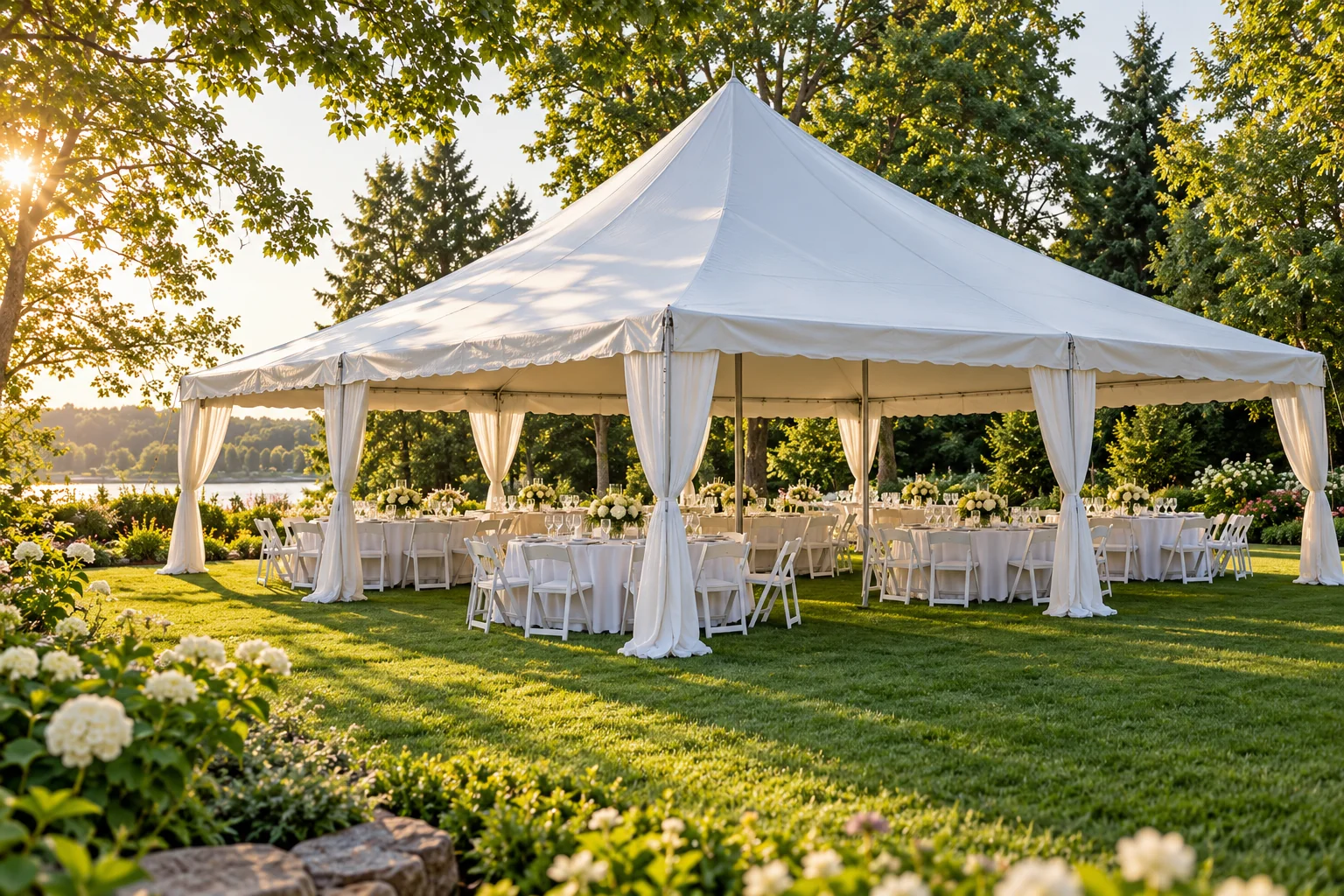
For tents, share the furniture layout with the team reviewing the tent installation. Poles, anchoring arrangements, entrances and required clearances can affect the available space. Do not assume that a clear-looking interior photograph represents the tent model on your order. The venue or installer’s approved arrangement and applicable requirements take priority over a decorative layout. Keep the planning flexible until those practical details are confirmed.
A mixed layout can be the best answer
You do not have to choose one shape for every purpose. A reception might use round guest tables, a rectangular head table and rectangular service stations. A family gathering might use a long central dining arrangement with smaller round tables for quieter conversation. A workshop may use rectangular working tables with a separate round area for breaks. Mixing shapes can solve real needs when it is done deliberately.
The risk is visual or logistical confusion. Keep the palette, chairs or other repeated elements consistent enough that the room feels intentional. Label table types on the plan and list their linens separately. If several sizes are delivered together, the setup team needs to know which table belongs in each location. Otherwise, the right equipment can still be placed in the wrong arrangement.
A mixed plan may also help accommodate different groups without crowding the room. A small family group can have an appropriately sized table rather than occupying a large table with many empty places. However, do not use a smaller or isolated table as an automatic solution for a guest with access needs. Ask about preferences and plan an inclusive position with companions. The goal is a useful and welcoming room, not simply a visually neat seating diagram.
Choose with a side-by-side checklist
Before submitting the request, compare two complete plans rather than two isolated products. For each plan, list the table quantity, occupied seats, spare seats, service tables, linen sizes and setup responsibilities. Draw the buffet and bar queues and identify the main walking routes. Check the venue’s capacity and layout requirements. If one plan only works by removing circulation space, it is not the better option.
Ask practical questions. Can guests leave their seats without disrupting a whole row? Can service staff reach the places they need to reach? Does everyone have a reasonable view of the main activity? Are the table settings comfortable? Can your setup team complete the arrangement within the access window? These questions often make the choice clearer than debating whether rounds or rectangles are more stylish.
Once you choose, link the table decision to the rest of the rental order. Confirm chairs, linens and any service surfaces together. If guest numbers change, revisit the diagram and the seating chart rather than adding one table wherever there appears to be a gap. A well-chosen shape supports the event from arrival through cleanup. Use the linked rental options as your starting point, then share the room dimensions and meal style with Cody Party when requesting availability.
Further reading & sources
Check current instructions and requirements for your event and the equipment supplied.